
Khara Bheeda
A lightly spiced, dry-fried okra dish cooked quickly with onions, green chillies, and tomatoes. It has a tender texture with a savoury, tangy profile.
Ground spice
3 gAdded with the vegetables and okra (step 3)Everything else

Method
- Slice 1000 g okra into 5 mm pieces, lay them in a shallow bowl or plate, and toss with salt to taste.
- Warm 27 g vegetable oil in a heavy frying pan over medium heat, add 300 g sliced onion, and cook for 5 minutes.
- Tumble in the seasoned okra along with 240 g tomato, 24 g chopped green chilli, and the ground spice. Sauté for 6 to 7 minutes until the okra has softened completely.
- Finish by garnishing with 2 tablespoon chopped coriander.
Don't have something?
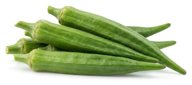
 Cluster bean
Use the same weight, topped, tailed and cut into similar pieces. It is firmer and less mucilaginous; cook a few minutes longer until tender.
 Green bean
Use the same weight, trimmed and cut into short lengths. It cooks faster and stays crisp; add towards the end and expect no okra stickiness.
 Aubergine
Use the same weight, cut into small pieces and cook until soft. It gives a soft, seedy texture but no okra mucilage and absorbs more oil.






 Ground ginger
Use 50% of the weight. Mimics turmeric's warm, earthy, rhizome background, but provides none of the golden-yellow colour.
 Saffron
Steep a tiny pinch (0.1 g per 2 g turmeric) in 2 tbsp warm water; use to match the rich golden hue. Contributes an aristocratic, honeyed floral flavour rather than earthy bitterness.


 Peanut oil
Use 1:1 by weight. Handles high-heat frying identically and introduces a very subtle, pleasant nuttiness.
 Ghee
Use 1:1 by weight. Yields a much richer, authentic aroma and a glossy, heavier mouthfeel.
 Mustard oil
Use 1:1 by weight. Heat until smoking, then cool slightly before cooking to temper its intensely pungent, sharp mustard kick.


 Tomato purée
Use 40% to 50% of the fresh tomato weight mixed with a splash of water. Imparts a deeper red colour, thicker sauce, and slightly sweeter cooked flavour.
 Plain yogurt
Use 60% of the weight, whisked smooth and added on low heat. Provides rich body and sourness, though the gravy becomes paler and creamier.


 Chilli powder
Use 10 to 15% of the weight (about 1/4 teaspoon per chilli); imparts dry pungent heat and reddens the dish without the grassy crunch.
 Dried red chilli
Use 1 dried pod per fresh green chilli; snap in half and temper in hot oil for a deeper, toastier heat.


 Coriander (cilantro) or basil
Use the same weight, choosing the coriander element if available. If only basil is available, expect a sweeter, more aniseed flavour.
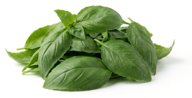 Basil leaves
Use the same weight. Basil is sweeter and more aromatic in a different way; add near the end so it keeps its perfume.
 Coriander paste
Use 1.5 times the weight and reduce other liquid slightly; it is less fresh and more concentrated, so taste before adding more.


Similar dishes

- Same: Vendakkai Pulussu also uses okra cooked with onions, tomatoes, green chillies, turmeric, and vegetable oil.
- Different: Vendakkai Pulussu is simmered into a gravy with tamarind extract, sugar, garlic, coriander, and chilli powder, then tempered with mustard seeds, fenugreek seeds, and curry leaves, unlike this simple dry fry.

- Same: Both dishes feature okra cooked with vegetable oil, green chillies, and ground turmeric.
- Different: Dum ki Bhindi slow-cooks the okra in a yoghurt sauce enriched with ghee, ginger, garlic, garam masala, and chilli powder instead of quick-frying it with onions and tomatoes.

- Same: Kararee Bhindi also pairs okra with tomatoes and onions.
- Different: It deep-crisps the okra into a warm salad seasoned with chaat masala, omitting the turmeric, green chillies, and pan-frying method of this dish.

- Same: Dahi ma Bheeda shares okra, ground turmeric, vegetable oil, and salt with this dish, and both lightly fry the okra first.
- Different: Dahi ma Bheeda lacks this dish's onion, tomato, green chilli, and coriander leaves, and instead adds yoghurt, ginger paste, garlic paste, ground cumin, chilli powder, and more oil, then simmers the okra in a yoghurt gravy rather than dry-frying it with onions and tomatoes.