
Vendakkai Nouvala Pod
A dry, vibrant Andhra-style okra stir-fry infused with tangy tamarind, aromatic whole spices, and a rich, nutty coating of sesame seeds.
Tempering spices
8 gBloomed in hot oil (step 2)Turmeric
0.8 gAdded with the okra (step 3)Ground sesame
0 gTossed through at the finish (step 4)Everything else

Method
- Submerge the walnut-sized lump of tamarind in 30 ml (2 tbsp) of water and leave to soften for 10 minutes. Squeeze and rub the pulp thoroughly with your fingers, strain the liquid through a fine sieve into a bowl, and throw away the fibrous solids.
- Warm 27 g vegetable oil in a broad, heavy frying pan over medium heat. Tip in the tempering spices, 4.3 g urad dal, and 1 g curry leaf, sizzling them for roughly 1 minute until the spices pop and become fragrant.
- Add 500 g okra, the strained tamarind liquid, and the turmeric. Cover with a tight-fitting lid and cook for about 5 minutes, until the okra is tender and the pan is completely dry.
- Uncover the pan, add the ground sesame and 5.8 g salt, then raise the heat to high. Stir-fry briskly for 2 minutes until everything is evenly combined and thoroughly dry.
Don't have something?


 Tamarind extract
Use 50% to 60% of the weight, loosened with a splash of warm water. Skips soaking and straining while providing equivalent tartness.
 Dried mango powder
Use 20% to 25% of the weight stirred in towards the end of cooking. Imparts pure sourness without dark colour or fruit pulp body.
 Lemon juice
Use equal weight added off the heat. Gives bright, clean acidity, though it lacks tamarind's earthy, caramel undertones.


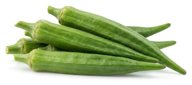
 Cluster bean
Use the same weight, topped, tailed and cut into similar pieces. It is firmer and less mucilaginous; cook a few minutes longer until tender.
 Green bean
Use the same weight, trimmed and cut into short lengths. It cooks faster and stays crisp; add towards the end and expect no okra stickiness.
 Aubergine
Use the same weight, cut into small pieces and cook until soft. It gives a soft, seedy texture but no okra mucilage and absorbs more oil.


 Ground ginger
Use 50% of the weight. Mimics turmeric's warm, earthy, rhizome background, but provides none of the golden-yellow colour.
 Saffron
Steep a tiny pinch (0.1 g per 2 g turmeric) in 2 tbsp warm water; use to match the rich golden hue. Contributes an aristocratic, honeyed floral flavour rather than earthy bitterness.


 White sesame seed
Use the same weight. Toast lightly before use; white seeds are milder and give a cleaner look.
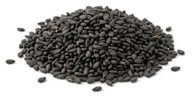 Black sesame seed
Use the same weight. They are stronger and more bitter; toast briefly and use slightly less if the dish is delicate.
 Peanut
Use the same weight, crushed or chopped. It gives crunch but not the same nutty sesame aroma.


 Peanut oil
Use 1:1 by weight. Handles high-heat frying identically and introduces a very subtle, pleasant nuttiness.
 Ghee
Use 1:1 by weight. Yields a much richer, authentic aroma and a glossy, heavier mouthfeel.
 Mustard oil
Use 1:1 by weight. Heat until smoking, then cool slightly before cooking to temper its intensely pungent, sharp mustard kick.


 Black mustard seed
Use the same weight. The seeds are smaller and hotter; fry in hot oil until they pop, about 20–30 seconds, and reduce the heat if they darken too fast. The dish will be a little sharper.
 Yellow mustard seeds
Use the same weight. They are milder and larger; fry a few seconds longer until they pop. The finished dish will have less pungency.
 Ground mustard seed
Use 70% of the weight of whole seed, added with the other ground spices rather than fried whole. You lose the popping texture and the heat comes through more evenly.


 Ground cumin
Use 70% of the weight; add with ground spices or sauce bases rather than hot oil tempering, where it scorches quickly and turns bitter.
 Black cumin seeds
Use equal weight for oil tempering. Delivers an earthy profile with an additional musky, smoky, and slightly bitter edge.
 Fennel seed
Use 60% of the weight for tempering; offers comparable warm aroma, but leans sweet and liquorice-like rather than savoury and earthy.


 Garlic powder
Use double the weight. Stir into hot oil just before adding wet ingredients; mimics the allium savoury background without the sulphurous edge.
 Garlic paste
Use 2 g for every 0.5 g of asafoetida. Sauté in oil until the raw smell clears; adds moisture and sweet allium depth.


 Dried kashmiri chilli
Use equal weight whole. Fry in hot oil or ghee as tempered spice; gives a richer red colour with slightly milder heat.
 Red chilli powder
Use 50% to 70% of the weight. Stir into the oil with ground spices; distributes heat evenly throughout the dish without whole chilli skins.


 Whole black gram
Use equal weight. Needs longer soaking and cooking; the dark skins impart an earthy flavour and greyish-black hue unless thoroughly rubbed off.
 Chana dal
Use equal weight when tempering (tadka). Provides a comparable nutty, crunchy texture in hot oil, though grains are slightly larger.
 Split mung beans
Use equal weight for batters or dals. Ferments and cooks faster, producing a lighter, less sticky, and less viscous consistency.


 Bay leaf
Fry 1 bay leaf for every 5 curry leaves in hot oil; imparts a warm, woodsy background note, but misses the citrus-sulphury punch entirely.
 Lime juice
Add a small squeeze (about 5 ml per sprig of curry leaves) right before serving; provides sharp citrus top notes without the toasty, herbal aroma.

Similar dishes

- Same: Vendakkai Masala Pachadi also uses okra tempered with mustard seeds, cumin, urad dal, dried red chillies, curry leaves, and turmeric.
- Different: Vendakkai Masala Pachadi is a saucy gravy made with onion, tomato, fresh coconut, and yogurt, omitting this dish's sesame seeds, tamarind, and asafoetida.

- Same: Vendakkai Igguru also fries okra in vegetable oil seasoned with mustard seeds, cumin seeds, dried red chillies, turmeric, and curry leaves.
- Different: Vendakkai Igguru cooks the okra in a base of coconut milk, onions, and tomatoes with garlic, mint, coriander seeds, and fresh herbs, rather than using tamarind, sesame seeds, urad dal, and asafoetida.

- Same: Sabut Bhindi shares okra, vegetable oil, cumin seed, turmeric, asafoetida and salt with this dish.
- Different: Sabut Bhindi adds onion, tomato, garlic, ginger, amchoor, garam masala, ground coriander, ground cumin and chilli powder, and it lacks this dish's tamarind, sesame seeds, mustard seeds, urad dal, dried red chilli and curry leaves; it is braised, not dry stir-fried.

- Same: Vendakkai Pulussu and this dish both use 500 g okra, tamarind, turmeric, mustard seeds, curry leaves, vegetable oil, and salt.
- Different: Vendakkai Pulussu adds onion, garlic paste, green chilli, tomato, coriander, chilli powder, sugar, and fenugreek and simmers a wet gravy, while this dish is a dry stir-fry with sesame seeds, urad dal, cumin, asafoetida, and dried red chilli.