Indian cooking
Indian cooking / Dishes / Vendakkai Masala Pachadi
Vendakkai Masala Pachadi (Spicy Southern Okra)

Vendakkai Masala Pachadi

Spicy Southern Okra
Vegetarian●●●Origin Tamil NaduPrep 25 minutesCook 20–25 minutes

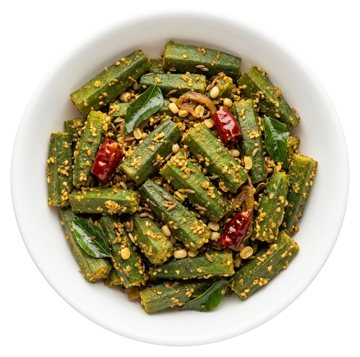
Crisp fried okra simmered in a spiced tomato gravy enriched with coconut, cashews, and whisked yogurt. It offers a tangy, rich, and mildly hot flavour profile.

Tempering spices

8 gAdded to the hot oil with the dal and curry leaves (step 3)
01
2.1 g1 teaspoon
spice
02
3.3 g1 teaspoon
spice
Keep whole; they go into the hot oil together.

Ground spices

10 gStirred in with the tomatoes (step 5)
01
2.6 g1 teaspoon
spice
02
1.5 g½ teaspoon
spice
03
5 g1 tablespoon
spice
Stir together so they can be tipped in at once.

Everything else

01
to taste
oil/fat
02
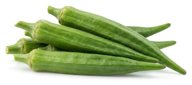
Okra · Bhinditopped and tailed (trimmed), then cut into 2.5-cm / 1-inch pieces
750 g
vegetable
03
18 g2 tablespoons
nut/seed
05
Black gram · Urad Dalrinsed and drained
26 g2 tablespoons
legume
06
2–2.5 g8–10 leaves
herb
07
125 g
vegetable
08
250 g
vegetable
09
103 g100 ml
dairy
10
to taste
salt

Method

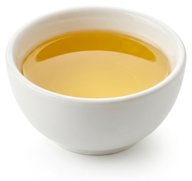
  1. Pour oil into a deep, heavy pan and bring it to 180°C (350°F). Fry 750 g okra in batches for 2 to 3 minutes until crisp, lift out with a slotted spoon onto paper towels, and save the cooking oil.
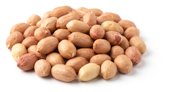
  2. Grind 2 tbsp cashews and 75 g fresh coconut in a small blender with a splash of water to form a smooth paste.
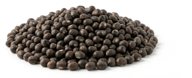
  3. Warm a ladleful of the reserved frying oil in a large pan set over medium heat. Tip in the tempering spices along with 25.8 g urad dal and 2–2.5 g curry leaf, frying for about 1 minute until the seeds crackle.
  4. Stir in 125 g onion and fry for 5 to 7 minutes until golden brown.
  5. Tumble in 250 g tomato, the ground spices, and salt to taste. Cook for 2 to 3 minutes, stirring regularly, until the oil begins to separate from the mixture.
  6. Turn the heat down to low, mix in the cashew-coconut paste, and fry for another 2 minutes.
  7. Take the pan off the heat and stir in 103 g yogurt. Pour in 400 ml water, return the pan to the stove, and bring the sauce to a boil.
  8. Toss in the crisp okra, drop the heat, and simmer gently for 3 to 4 minutes until thoroughly coated in the gravy. Taste and adjust the salt before serving.

Don't have something?

Groundnut oil
  • Peanut oil

    Use the same weight; this is effectively the same oil.

  • Vegetable oil

    Use the same weight. Neutral and less nutty; good for high heat.

  • Corn or vegetable oil

    Use the same weight. Neutral; the dish loses the faint peanut aroma.

Okra
  • Cluster bean

    Use the same weight, topped, tailed and cut into similar pieces. It is firmer and less mucilaginous; cook a few minutes longer until tender.

  • Green bean

    Use the same weight, trimmed and cut into short lengths. It cooks faster and stays crisp; add towards the end and expect no okra stickiness.

  • Aubergine

    Use the same weight, cut into small pieces and cook until soft. It gives a soft, seedy texture but no okra mucilage and absorbs more oil.

Cashew nut
  • Almond

    Use 100% of the weight. Soak in boiling water and slip off skins before frying or grinding; gives a lighter, slightly less sweet richness to curries.

  • Poppy seed

    Use 60% of the weight for gravies. Soak in warm water and grind into a fine paste to thicken royal kormas without adding heavy oiliness.

  • Shelled peanut

    Use 100% of the weight. Roast, skin, and grind; creates a thicker, earthier texture typical of Maharashtrian and western Indian curries.

Fresh coconut
  • Desiccated coconut

    Use 50% to 60% of the weight, soaked in equal parts warm water for 15 minutes before grinding. Works well for chutneys, though texture is slightly finer and sweeter.

  • Coconut milk

    Use 1.2 times the weight in curries. Adds creamy richness and authentic flavour, but makes gravies smoother and eliminates the grated, chewy mouthfeel.

Cumin seed
  • Ground cumin

    Use 70% of the weight; add with ground spices or sauce bases rather than hot oil tempering, where it scorches quickly and turns bitter.

  • Black cumin seeds

    Use equal weight for oil tempering. Delivers an earthy profile with an additional musky, smoky, and slightly bitter edge.

  • Fennel seed

    Use 60% of the weight for tempering; offers comparable warm aroma, but leans sweet and liquorice-like rather than savoury and earthy.

Mustard seed
  • Black mustard seed

    Use the same weight. The seeds are smaller and hotter; fry in hot oil until they pop, about 20–30 seconds, and reduce the heat if they darken too fast. The dish will be a little sharper.

  • Yellow mustard seeds

    Use the same weight. They are milder and larger; fry a few seconds longer until they pop. The finished dish will have less pungency.

  • Ground mustard seed

    Use 70% of the weight of whole seed, added with the other ground spices rather than fried whole. You lose the popping texture and the heat comes through more evenly.

Urad dal
  • Whole black gram

    Use equal weight. Needs longer soaking and cooking; the dark skins impart an earthy flavour and greyish-black hue unless thoroughly rubbed off.

  • Chana dal

    Use equal weight when tempering (tadka). Provides a comparable nutty, crunchy texture in hot oil, though grains are slightly larger.

  • Split mung beans

    Use equal weight for batters or dals. Ferments and cooks faster, producing a lighter, less sticky, and less viscous consistency.

Dried red chilli
  • Dried kashmiri chilli

    Use equal weight whole. Fry in hot oil or ghee as tempered spice; gives a richer red colour with slightly milder heat.

  • Red chilli powder

    Use 50% to 70% of the weight. Stir into the oil with ground spices; distributes heat evenly throughout the dish without whole chilli skins.

Curry leaf
  • Bay leaf

    Fry 1 bay leaf for every 5 curry leaves in hot oil; imparts a warm, woodsy background note, but misses the citrus-sulphury punch entirely.

  • Lime juice

    Add a small squeeze (about 5 ml per sprig of curry leaves) right before serving; provides sharp citrus top notes without the toasty, herbal aroma.

Onion
  • Shallot

    Use equal weight, finely sliced. Shallots soften and brown faster, giving a slightly sweeter and more delicate base to curries.

  • Cabbage

    Use 80% of the weight, finely shredded and browned slowly with a pinch of asafoetida. Replicates the bulk and natural sweetness in gravies without allium.

Tomato
  • Tomato purée

    Use 40% to 50% of the fresh tomato weight mixed with a splash of water. Imparts a deeper red colour, thicker sauce, and slightly sweeter cooked flavour.

  • Plain yogurt

    Use 60% of the weight, whisked smooth and added on low heat. Provides rich body and sourness, though the gravy becomes paler and creamier.

Chilli powder
  • Red chilli powder

    Use 100% of the weight. Provides direct, sharp heat and red colour in equal measure.

  • Kashmiri chilli powder

    Use 150% to 200% of the weight if matching colour, but add a pinch of black pepper or hot chilli if you need equivalent fiery heat.

  • Cayenne pepper

    Use 75% to 100% of the weight. Offers a sharp, clean heat with slightly less earthy depth and less crimson colour.

Ground turmeric
  • Ground ginger

    Use 50% of the weight. Mimics turmeric's warm, earthy, rhizome background, but provides none of the golden-yellow colour.

  • Saffron

    Steep a tiny pinch (0.1 g per 2 g turmeric) in 2 tbsp warm water; use to match the rich golden hue. Contributes an aristocratic, honeyed floral flavour rather than earthy bitterness.

Ground coriander
  • Coriander seeds

    Dry-roast lightly in a pan and grind to a fine powder; use equal weight (1:1). Offers a noticeably fresher, brighter citrus note.

  • Ground cumin

    Use 50% to 75% of the weight. Lacks the floral, citrusy profile of coriander and turns the gravy heavier, earthier, and darker.

  • Garam masala

    Use 50% of the weight and stir in near the end of cooking. Adds warmth and depth since it contains ground coriander, but introduces stronger spices like clove and cinnamon.


Yogurt
  • Plain yogurt

    Use 100% of the weight. Whisk thoroughly until smooth before stirring into warm gravies to prevent curdling.

  • Single cream

    Use 90% of the weight combined with 10% lemon juice to replicate the lactic tang and rich body in marinades and curries.

Similar dishes

Vendakkai Pulussu
Okra in Tamarind Sauce
Vendakkai Pulussu is more tart, sweet, and brothy from tamarind and sugar, lacking the creamy, nutty richness that coconut and yogurt bring to this dish.
  • Same: Both dishes feature okra simmered in an onion-and-tomato base spiced with mustard seeds, curry leaves, turmeric, chilli powder, and ground coriander.
  • Different: Vendakkai Pulussu simmers the okra in tamarind extract, sugar, garlic paste, and fenugreek seeds instead of crisp-frying it and using fresh coconut, urad dal, dried red chillies, and yogurt.
Vendakkai Igguru
Spicy Fried Okra
Vendakkai Igguru is more herby, garlicky, and sharply spicy from fresh green chillies, lacking the tangy dairy richness of this dish.
  • Same: Both dishes feature okra simmered in a spiced tomato and onion gravy seasoned with mustard seeds, cumin, turmeric, dried red chillies, and curry leaves.
  • Different: Vendakkai Igguru uses coconut milk, garlic, green chillies, and large amounts of fresh mint and coriander leaf instead of the yogurt, fresh grated coconut, and urad dal found in this dish.
Vendakkai Nouvala Pod
Stir-fried Okra with Sesame Seeds from Andhra
Vendakkai Nouvala Pod tastes nuttier and sharper from sesame and tamarind, without the rich, creamy, and mildly hot tomato profile of this dish.
  • Same: Vendakkai Nouvala Pod also features okra cooked with mustard seeds, cumin, urad dal, dried red chillies, curry leaves, and turmeric.
  • Different: Vendakkai Nouvala Pod is a dry stir-fry seasoned with sesame seeds, tamarind, and asafoetida, lacking this dish's gravy of tomatoes, onions, coconut, and yogurt.
Sabut Bhindi
Whole Spicy Okra
Sabut Bhindi is more savoury and sharply tart from dry mango powder rather than creamy, nutty, and gently tangy from yogurt and coconut.
  • Same: Both dishes feature okra cooked in an onion and tomato base seasoned with cumin, turmeric, coriander, and chilli powder.
  • Different: Sabut Bhindi braises whole okra with garlic, ginger, garam masala, and amchoor instead of crisp-frying it and simmering it with coconut, yogurt, curry leaves, and mustard seeds.