Indian cooking
Indian cooking / Dishes / Malyali Kozhi Biryani
Malyali Kozhi Biryani (Southern Indian Chicken Biryani)

Malyali Kozhi Biryani

Southern Indian Chicken Biryani
Non-vegetarianOrigin Southern India

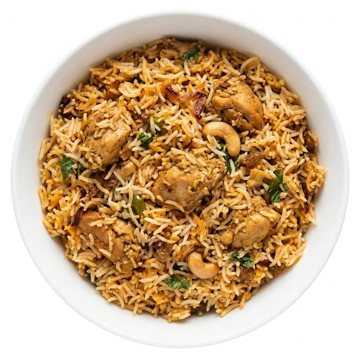
Malyali Kozhi Biryani is a Southern Indian layered chicken and basmati rice dish, gently spiced and enriched with coconut milk. It tastes aromatic, savoury and mildly rich, with sweet fried onions, cashews and raisins on top.

Marinade pastes and turmeric

25 gHalf mixed into the chicken; remainder fried with onions (steps 1 and 4)
01
Ginger paste · Adrak Pasteheaped (made from a 6cm piece of fresh root ginger)
16 g1 tablespoon
aromatic
02
Garlic paste · Lahsun Paste(made from 4 garlic cloves)
8 g½ tablespoon
aromatic
03
1.5 g½ teaspoon
spice
Stir half the ginger, garlic and chilli pastes with the turmeric into the chicken; keep the rest for the pan.

Spices for the hot oil

3 gAdded to hot oil before onions (step 2)
Add both to the hot oil and let them sizzle.

Ground spices for the chicken

5 gStirred in with the marinated chicken (step 5)
Mix together and add with the marinated chicken.

Rice aromatics

3.6 gAdded to rice cooking water (step 8)
01
1 g2 leaves
spice
02
2.6 g5 cm
spice
Keep whole; add to the rice cooking water.

Layering garam masala

1.3 gSprinkled between rice and chicken layers (step 12)
01
1.3 g½ teaspoon
spice blend
Keep ready to sprinkle between layers.

Everything else

01
Chicken · Murghon the bone, skinned and jointed into small pieces (ask your butcher to do this)
850 g
poultry
02
6 g4 chillies
vegetable
03
54 g4 tablespoons
oil/fat
04
Onion · Pyazthinly sliced
300 g2 onions
vegetable
05
2.5–3.8 g10–15 leaves
herb
07
to taste
salt
09
28 g2 tablespoons
dairy
10
60 g4 tablespoons
liquid
11
4.5 g3 tablespoons
herb
12
40 g3 tablespoons
oil/fat
13
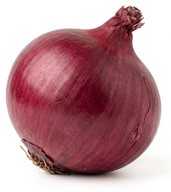
Red onion · Pyazthinly sliced
300 g2 onions
vegetable
14
~0.3 gpinch
sweetener
15
Cashew nut · Kajuroughly chopped
9 g1 tablespoon
nut/seed
16
9 g1 tablespoon
fruit

Method

  1. Mix 850 g chicken with half the 15.6 g ginger paste, half the 7.8 g garlic paste, half the 8 g green bird’s eye chilli paste and 1.5 g ground turmeric. Cover and marinate for at least a few hours, or overnight.
  2. Heat 54 g vegetable oil in a heavy saucepan over medium heat. Add the spices for the hot oil and let them sizzle for a few seconds.
  3. Add 300 g thinly sliced onion and a pinch of salt. Fry over medium heat for about 10 minutes, stirring often so the onion does not stick.
  4. Stir in the remaining ginger, garlic and chilli pastes and fry for about 1 minute.
  5. Add the marinated chicken, 2.5–3.8 g curry leaf and the ground spices for the chicken. Raise the heat slightly and fry for 5 minutes, turning the chicken to coat and seal it.
  6. Pour in 100 ml water and bring to a boil. Season with salt, cover and simmer over low heat for 18 minutes, stirring once halfway.
  7. Stir in 101 g coconut milk and simmer for 5–7 minutes more. Take off the heat and leave to rest.
  8. Soak 500 g basmati rice in cold water for 15 minutes. Meanwhile heat 1.5 litres water in a large saucepan with the rice aromatics.
  9. Drain the rice and add it to the pan. Cook over medium heat for 18–20 minutes, until tender but still slightly firm to the bite.
  10. Heat the oven to 180°C/350°F/gas 4.
  11. Brush a lidded casserole dish with a little of the 28.2 g melted butter.
  12. Spread a quarter of the rice in the dish. Add a spoonful of the 60 g coconut milk, a third of the chicken with some gravy, a pinch of the layering garam masala and some of the 4.5 g chopped coriander leaves.
  13. Repeat these layers, finishing with rice. Pour over the rest of the melted butter and coconut milk.
  14. Cover with greaseproof paper and a tight lid.
  15. Bake for 18–20 minutes, until the rice has absorbed the flavours and the grains separate. Turn off the oven and leave the dish inside for 10 minutes.
  16. For the garnish, heat 40.5 g vegetable oil in a frying pan over medium heat. Add 300 g thinly sliced red onion and 0.3 g granulated sugar. Fry for 10 minutes, until the onion begins to colour. Lift out and drain on kitchen paper.
  17. Add 9 g roughly chopped cashew nut and 9 g raisin to the same pan. Fry until the cashews are light brown and the raisins puff. Drain.
  18. Discard the whole spices from the dish. Top the biryani with the fried onion, cashews and raisins.

Don't have something?

Chicken
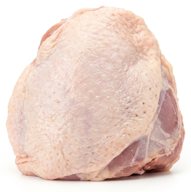
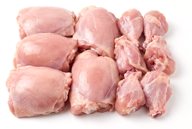
  • Turkey thigh

    Use 100% of the weight, cut into equivalent bone-in or boneless pieces. Simmer for an extra 5 to 10 minutes; flavour and texture are very similar.

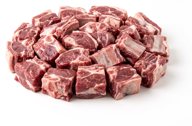
  • Lamb

    Use 100% of the weight. Cut into bite-sized pieces and extend simmering time by 35 to 50 minutes, adding extra liquid to allow the meat to tenderise.

Ginger paste
  • Fresh ginger

    Use equal weight; peel and grate very finely on a microplane or pound to a fine paste in a mortar.

  • Ginger

    Use equal weight; mince finely and crush with the flat of a knife before frying.

  • Ground ginger

    Use 20% of the weight; add directly with the dry spice powders, though it yields an earthier, less pungent profile.

Garlic paste
  • Garlic

    Use equal weight; crush or finely grate to a smooth pulp to replicate the same fresh, pungent moisture in your base gravy.

  • Garlic powder

    Use 20 to 25% of the weight; mix with a teaspoon of water before adding to oil so it does not burn, noting it lacks the fresh bite.

Green bird's eye chilli
  • Bird's eye green chilli

    Use the same weight; heat and flavour are very close.

  • Green chilli

    Use 1.5 to 2 times the weight; deseed for less heat. Larger chillies are more watery.

  • Fresh green chilli

    Use 1.5 to 2 times the weight; chop finely and adjust heat by tasting.

Ground turmeric
  • Ground ginger

    Use 50% of the weight. Mimics turmeric's warm, earthy, rhizome background, but provides none of the golden-yellow colour.

  • Saffron

    Steep a tiny pinch (0.1 g per 2 g turmeric) in 2 tbsp warm water; use to match the rich golden hue. Contributes an aristocratic, honeyed floral flavour rather than earthy bitterness.

Vegetable oil
  • Peanut oil

    Use 1:1 by weight. Handles high-heat frying identically and introduces a very subtle, pleasant nuttiness.

  • Ghee

    Use 1:1 by weight. Yields a much richer, authentic aroma and a glossy, heavier mouthfeel.

  • Mustard oil

    Use 1:1 by weight. Heat until smoking, then cool slightly before cooking to temper its intensely pungent, sharp mustard kick.

Ground black pepper
  • Black peppercorn

    Use 1:1 by weight; pulverise in a spice mill or mortar to a fine powder for immediate, punchy heat.

  • Coarsely ground black pepper

    Use equal weight; offers the same bite, though it gives a visibly speckled finish and firmer crunch.

Green cardamom pod
  • Green cardamom seed

    Use 35 to 40% of the total pod weight; lightly bruise the seeds before frying in oil to release their essential oils.

  • Ground green cardamom

    Use 20 to 25% of the pod weight (about 1 generous pinch per pod); stir in toward the end of cooking so the delicate floral notes do not dissipate.

  • White cardamom pod

    Use 1:1 by pod count or weight; crack gently before using, though it is slightly less intensely floral.

Onion
  • Shallot

    Use equal weight, finely sliced. Shallots soften and brown faster, giving a slightly sweeter and more delicate base to curries.

  • Cabbage

    Use 80% of the weight, finely shredded and browned slowly with a pinch of asafoetida. Replicates the bulk and natural sweetness in gravies without allium.

Curry leaf
  • Bay leaf

    Fry 1 bay leaf for every 5 curry leaves in hot oil; imparts a warm, woodsy background note, but misses the citrus-sulphury punch entirely.

  • Lime juice

    Add a small squeeze (about 5 ml per sprig of curry leaves) right before serving; provides sharp citrus top notes without the toasty, herbal aroma.

Kashmiri chilli powder or mild paprika
  • Kashmiri chilli powder

    Use the same weight; this is the first half of the book's option and gives the best red colour with mild heat.

  • Mild paprika

    Use the same weight; add a pinch of cayenne pepper for warmth. Slightly less colour.

  • Paprika

    Use the same weight and add cayenne pepper to taste; works but is less aromatic.

Ground fennel seed
  • Fennel seed

    Grind whole seeds finely; use equal weight (1:1). Provides a fresh, sweet, aniseed aroma that is slightly stronger than pre-ground powder.

  • Aniseed

    Grind finely; use 75% to 80% of the weight. Has a sharper, sweeter liquorice taste with less of fennel's herbal earthiness.

  • Star anise

    Grind whole star anise finely; use 30% to 40% of the weight. Very potent aniseed flavour that easily overpowers a dish if not used sparingly.

Ground coriander
  • Coriander seeds

    Dry-roast lightly in a pan and grind to a fine powder; use equal weight (1:1). Offers a noticeably fresher, brighter citrus note.

  • Ground cumin

    Use 50% to 75% of the weight. Lacks the floral, citrusy profile of coriander and turns the gravy heavier, earthier, and darker.

  • Garam masala

    Use 50% of the weight and stir in near the end of cooking. Adds warmth and depth since it contains ground coriander, but introduces stronger spices like clove and cinnamon.

Coconut milk
  • Single cream

    Use equal weight; simmer gently over low heat to prevent curdling. Imparts a comparable rich texture, though it adds dairy richness without any coconut fragrance.

  • Cashew paste

    Whisk 1 part cashew paste with 2 parts water to match the consistency, then use equal weight. Provides a thick, velvety body without coconut flavour.

  • Whole milk

    Use equal weight, but reduce other cooking liquids by 20% to compensate for the lower viscosity. The curry will be lighter and lack sweetness.

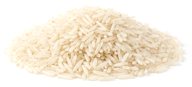
Basmati rice
  • Plain boiled rice

    Use 2.5 times the weight if substituting pre-cooked rice. Fold in gently at the end of the recipe; grains will be shorter and less fragrant.

Bay leaf
  • Cinnamon stick

    Use a 2 cm piece (about 1 g) for every 1 to 2 bay leaves. Fry in whole-spice temperings; provides the cassia-like warmth typical of Indian tejpatta.

  • Ground cinnamon (cassia)

    Use 0.5 g per leaf. Stir into the sauce during simmering; gives the same warm woodiness but darkens the colour slightly.

Cassia bark
  • Ceylon cinnamon

    True cinnamon: thinner, papery quills, milder and sweeter. Use about 1.5 times the weight, and taste.

  • Ground cinnamon (cassia)

    Use about a third of the weight (0.5 g ground for a 2.5 cm piece), stirred in with the ground spices rather than fried whole, since the powder burns quickly.

  • Cassia buds

    Use 60-70% of the weight; stronger and more peppery, so taste before adding more.

Butter
  • Unsalted butter

    Use 100% of the weight. If the original recipe relies on salted table butter, add a pinch of salt to balance.

  • Ghee

    Use 80% to 85% of the weight. Ghee is pure butterfat with moisture removed; it yields a deeper, nuttier flavour and handles high heat better.

  • Vegetable oil

    Use 80% of the weight for frying or tempering. The dish loses sweet dairy richness but remains glossy and light.

Garam masala
  • Ground cumin

    Use 50% of the weight mixed with equal parts ground coriander and a pinch of ground cinnamon, ground cloves, and ground green cardamom. Sprinkle near the end for a warming finish.

  • Lentil stew spice mix

    Use 75% of the weight. Simmer briefly in the gravy; imparts roasted warmth and complexity, though it adds a slight tang and earthy lentil undertone.

Coriander leaves
  • Coriander (cilantro) or basil

    Use the same weight, choosing the coriander element if available. If only basil is available, expect a sweeter, more aniseed flavour.

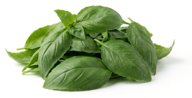
  • Basil leaves

    Use the same weight. Basil is sweeter and more aromatic in a different way; add near the end so it keeps its perfume.

  • Coriander paste

    Use 1.5 times the weight and reduce other liquid slightly; it is less fresh and more concentrated, so taste before adding more.

Red onion
  • Onion

    Use the same weight; cook a little longer. Milder and less sweet when raw.

  • Shallot

    Use the same weight; sweeter and softer, so reduce cooking time slightly.

  • Spring onion

    Use only the white parts, weight for weight, for raw or quick-cooked dishes; green parts are too grassy for long cooking.

Granulated sugar
  • Jaggery

    Use equal weight; grate or shave finely so it dissolves rapidly, giving a warm, caramel-like sweetness and slightly darker sauce.

Cashew nut
  • Almond

    Use 100% of the weight. Soak in boiling water and slip off skins before frying or grinding; gives a lighter, slightly less sweet richness to curries.

  • Poppy seed

    Use 60% of the weight for gravies. Soak in warm water and grind into a fine paste to thicken royal kormas without adding heavy oiliness.

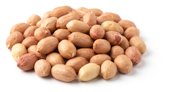
  • Shelled peanut

    Use 100% of the weight. Roast, skin, and grind; creates a thicker, earthier texture typical of Maharashtrian and western Indian curries.

Raisin
  • Dried plum

    Use equal weight, pitted and finely chopped. Lends a deeper, slightly more tart sweetness to curries and rice dishes.

  • Cashew nut

    Use equal weight. Fry lightly in ghee until golden; substitutes the burst of sweetness with a rich, buttery crunch.

  • Jaggery

    Use 30% of the weight, finely grated. Dissolve straight into the sauce to match the intended sweetness, though without the fruity chew.

Similar dishes

Murga ka Safed Pulao
White Chicken Pulao
Murga ka Safed Pulao tastes pale, milky, buttery and lightly tangy from lime, while this dish tastes aromatic, savoury and mildly rich with coconut milk and sweet fried onions, cashews and raisins.
  • Same: Murga ka Safed Pulao shares chicken, basmati rice, ginger paste, garlic paste, green chilli, cardamom, salt and a butter-enriched cooking style with this dish.
  • Different: Murga ka Safed Pulao uses whole milk, lime juice, peas and hard-boiled egg, while this dish uses coconut milk, cashews, raisins, fried onions, turmeric, chilli powder, fennel, coriander, garam masala and curry leaves.
Murg Pulao
Chicken Pulao
Murg Pulao tastes savory and ghee-rich with strong whole-spice and yogurt notes, while this dish tastes milder, coconut-milk rich, and sweet from fried onions, cashews, and raisins.
  • Same: Murg Pulao shares chicken, basmati rice, onions, salt, and whole spices with this dish.
  • Different: Murg Pulao uses ghee, yogurt, black cardamom, cloves, cumin, and black peppercorns and cooks rice in poultry broth, while this dish uses coconut milk, butter, curry leaves, fennel, cashews, raisins, and sugar and is layered.
Yakhni Pulao (Indian Kitchen)
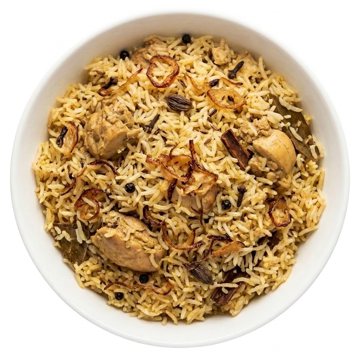
Yakhni Pulao tastes savoury and gentle with whole-spice warmth and buttery rice, while this dish tastes aromatic and mildly rich from coconut milk with sweet fried onions, cashews and raisins.
  • Same: Yakhni Pulao shares basmati rice, onion, bay leaf, green cardamom, cassia bark, green bird’s eye chilli, ginger paste, garlic paste, butter, vegetable oil and coriander leaves with this dish.
  • Different: Yakhni Pulao uses lamb shoulder on the bone and cooks it in a clear stock, while this dish uses chicken and layers rice with coconut milk; it lacks coconut milk, cashews, raisins, sugar, turmeric, curry leaf and Kashmiri chilli, and it adds clove, nutmeg and ground cinnamon.
Murgh Biryani
Chicken Biryani
Murgh Biryani tastes tangier from yogurt and lemon and more saffron-herbal from mint, while this dish tastes milder and richer from coconut milk with sweet fried onion, cashew and raisin topping.
  • Same: Both are layered chicken and basmati rice biryanis with fried onions, cashews, raisins, green chilli, ginger, garlic and garam masala.
  • Different: Murgh Biryani uses yogurt and lemon as the souring agent and saffron milk for aroma, while this dish uses coconut milk for richness and has no yogurt or saffron. Murgh Biryani adds mint and more green chilli, and lacks this dish's curry leaves, fennel, cassia, bay leaf and butter; it uses oil only, while this dish uses oil and butter.