
Murgh Biryani
A fragrant layered biryani of tender chicken simmered in spiced yogurt and fresh herbs, topped with basmati rice infused with saffron.
Saffron
0.7 gInfused in warm milk (step 2)Garam masala
5 gStirred into the chicken sauce (step 5)Everything else

Method
- Set the oven to 220–240°C (425–475°F).
- Place the saffron in a small dish, pour over 1.5 teaspoon warm milk, and leave to infuse.
- Warm 250 g oil in a large ovenproof casserole over medium heat. Add 500 g sliced onion with salt to taste and fry until deeply browned and caramelized.
- Stir in 50 g crushed fresh ginger, 50 g crushed garlic, and 100 g slit green chilli, then blend in 609 g plain yogurt. Add 1000 g chicken pieces and fry for 2–3 minutes to seal the meat. Mix in 50 g cashew nuts, 25 g raisin, and the juice of 1 lemon, then simmer for about 5 minutes.
- Scatter in 100 g chopped coriander leaf, 100 g chopped mint, and the garam masala. Stir to coat the meat, place the lid on the pot, and remove from the heat.
- Cook 1000 g basmati rice in a separate pot of rapidly boiling salted water until just al dente. Strain completely, then spoon the rice in an even layer across the chicken.
- Spoon the saffron milk over the rice layer, then drape a clean, damp cloth over the top. Secure the pot lid tightly over the cloth and bake in the oven for about 10 minutes, until the chicken is tender and thoroughly cooked.
Don't have something?


 Ground turmeric
Use 15% of the saffron's weight. Replicates the bright yellow colour well, but lacks the floral, earthy depth; use sparingly to avoid bitterness.
 Screwpine water or rosewater
Use a few drops combined with a tiny pinch of ground turmeric to mimic both the regal floral aroma and the golden hue.


 Milk
Use the same weight and heat to just below boiling. This is the plainest direct swap.
 Full cream milk
Use the same weight, warmed gently. It gives a richer result than ordinary milk.
 Coconut milk
Use the same weight, warmed gently and not boiled hard. It adds coconut flavour and more richness.


 Vegetable oil
Use the same weight. It is neutral and behaves the same in frying and tempering; no noticeable change in flavour.
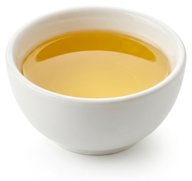 Corn or vegetable oil
Use the same weight. Neutral and good for high heat; the dish will taste virtually the same.
 Groundnut oil
Use the same weight. It has a mild nutty flavour and is good for Indian cooking; heat until just hot, not smoking, so the nuttiness does not dominate.






 Ginger paste
Use equal weight. Sauté in hot fat until the raw allium smell disappears; slightly wetter, but provides identical warmth and pungency.
 Ground ginger
Use 20% to 25% of the weight (1 g for every 4 to 5 g fresh). Stir into the gravy; adds peppery heat and warmth, though it misses the crisp, zesty kick of raw root.


 Garlic paste
Use the same weight; about 1 clove weighs 3 g, so 3 g paste per clove.
 Crushed garlic
Use the same weight; crush just before adding so the flavour stays fresh.
 Garlic powder
Use one-third of the weight, about 1 g powder for 3 g fresh clove; add a little water if the recipe needs moisture.


 Chilli powder
Use 10 to 15% of the weight (about 1/4 teaspoon per chilli); imparts dry pungent heat and reddens the dish without the grassy crunch.
 Dried red chilli
Use 1 dried pod per fresh green chilli; snap in half and temper in hot oil for a deeper, toastier heat.


 Yogurt
Use equal weight, whisked thoroughly until smooth before adding to hot dishes to prevent curdling.
- Coconut milk
Use equal weight with 1 teaspoon lemon juice mixed in. Provides rich creaminess in curries, but adds a noticeable coconut flavour.
 Single cream
Use 80% of the weight plus a squeeze of lemon juice for acidity. Enriches sauces nicely, though it is richer and less tangy.


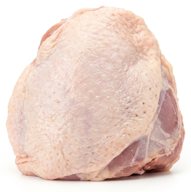 Turkey thigh
Use 100% of the weight, cut into equivalent bone-in or boneless pieces. Simmer for an extra 5 to 10 minutes; flavour and texture are very similar.
 Lamb
Use 100% of the weight. Cut into bite-sized pieces and extend simmering time by 35 to 50 minutes, adding extra liquid to allow the meat to tenderise.


 Cashew nut
Roast raw cashews at 160°C for 8–10 minutes or fry gently; use the same weight.
 Almond
Blanch, then roast at 160°C for 8–10 minutes; use the same weight — firmer and slightly less sweet.
 Roasted peanut
Use the same weight; stronger, earthier flavour, so reduce any added salt.


 Dried plum
Use equal weight, pitted and finely chopped. Lends a deeper, slightly more tart sweetness to curries and rice dishes.
- Cashew nut
Use equal weight. Fry lightly in ghee until golden; substitutes the burst of sweetness with a rich, buttery crunch.
 Jaggery
Use 30% of the weight, finely grated. Dissolve straight into the sauce to match the intended sweetness, though without the fruity chew.


 Lime
Use the same weight or juice amount; sharper, so taste before adding all the juice.
 Lemon juice
Use about 45–50 ml for 1 lemon; add off the heat to keep the freshness.
 Dried mango powder
Use 1 tsp for the juice of 1 lemon; add early. Sourness is flatter and less fresh.


 Dried mint
Use about 30% of the weight of fresh mint. Rub between your palms to crush before stirring in; the flavour will be more intensely herbal and less bright.
- Coriander leaf
Use equal weight, finely chopped. Adds fresh citrusy green notes, but lacks the cooling menthol lift.


 Ground cumin
Use 50% of the weight mixed with equal parts ground coriander and a pinch of ground cinnamon, ground cloves, and ground green cardamom. Sprinkle near the end for a warming finish.
 Lentil stew spice mix
Use 75% of the weight. Simmer briefly in the gravy; imparts roasted warmth and complexity, though it adds a slight tang and earthy lentil undertone.



 Plain boiled rice
Use 2.5 times the weight if substituting pre-cooked rice. Fold in gently at the end of the recipe; grains will be shorter and less fragrant.

Similar dishes

- Same: Murga ka Safed Pulao also pairs chicken and basmati rice with fresh coriander, ginger, and green chillies.
- Different: Instead of this dish's layered yogurt, onion, saffron, and mint base, Murga ka Safed Pulao cooks the chicken and rice together in whole milk and butter with whole spices like cinnamon, cloves, and cardamom.
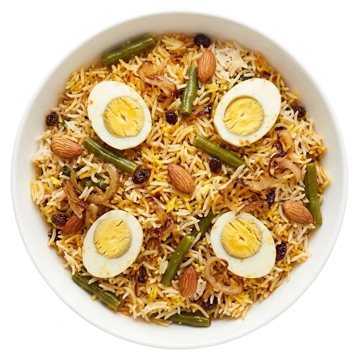
- Same: Both are layered biryanis seasoned with saffron, garam masala, yogurt, raisins, and fresh coriander.
- Different: Ande ki Biryani uses hard-boiled eggs and green beans instead of chicken, incorporates ghee and lemon juice, and omits the fresh mint, ginger, and green chillies found in this dish.
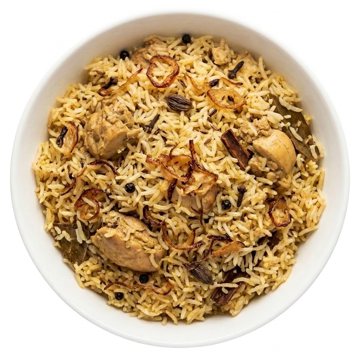
- Same: Murg Pulao shares chicken, basmati rice, yogurt, onion, garlic, ginger, and warm spices with this dish.
- Different: Murg Pulao cooks rice in a ghee-rich poultry broth with whole spices like black cardamom, cinnamon, bay leaf, clove, and peppercorn, while this dish layers yogurt-marinated chicken with saffron rice and adds cashews, raisins, lemon, green chilli, coriander, and mint.

- Same: Malyali Kozhi Biryani shares a layered chicken-and-basmati-rice format with this dish, plus fried onions, cashews, raisins, ginger, garlic, green chilli and garam masala.
- Different: Malyali Kozhi Biryani uses coconut milk, curry leaves, turmeric, fennel, cardamom, cassia and bay leaf, with vegetable oil and butter, while this dish uses yogurt, lemon, saffron and mint and no coconut milk.