Indian cooking
Indian cooking / Dishes / Paneer Jaipuri
Paneer Jaipuri (Rajasthani Curried Paneer)

Paneer Jaipuri

Rajasthani Curried Paneer
Vegetarian●●●Origin RajasthanPrep 30 minutesCook 45 minutes

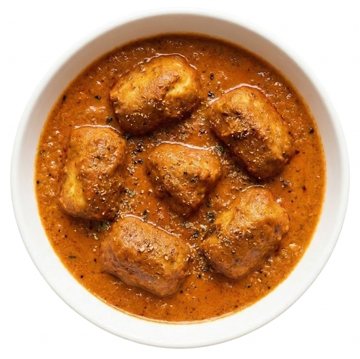
A velvety Rajasthani curry of tender paneer cubes simmered in a strained, aromatic yogurt and cashew gravy infused with saffron and warming sweet spices.

yogurt spices

9 gWhisked into the yogurt mixture (step 2)
Stir together to combine evenly.

saffron

0.7 gCrushed and soaked in milk (step 3)
01
0.7 g1 teaspoon
spice
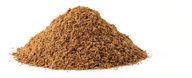
Grind finely in a mortar or spice mill.

whole spices

1.9 gFried in the hot fat (step 4)
02
0.1 g2 cloves
spice
03
1.3 g1 piece
spice
Keep whole: they go into the hot fat together.

ginger and garlic paste

21 gFried with the softened onions (step 5)
Mix together into a smooth wet paste.

finishing spices

2.5 gSprinkled into the simmered curry (step 9)
Blend the ground spices together.

Everything else

01
Onion · Pyazcoarsely chopped
100 g
vegetable
02
254 g250 ml
dairy
04
31 g2 tablespoons
dairy
05
4.5 g1 teaspoon
oil/fat
06
745 g750 ml
liquid
07
Paneercut into 5-cm / 2-inch squaresMake it: Paneer →
750 g
dairy
08
30 g2 tablespoons
dairy
09
to taste
salt

Method

  1. Purée 100 g onion with 2 tablespoons of water in a blender until smooth, then set aside.
  2. Whisk 254 g plain yogurt in a mixing bowl with 0.25 teaspoon fried onion paste, 31.2 g cashew paste, salt to taste, and the yogurt spices until thoroughly incorporated.
  3. Crush the saffron to a fine powder and stir it into 2 tablespoons milk in a small dish to make a paste; set aside.
  4. Warm 4.5 g ghee or vegetable oil in a heavy pan set over medium heat, add the whole spices, and fry for roughly 1 minute until the cardamom pods take on a slight colour.
  5. Add the onion purée and cook for 1 to 2 minutes until translucent. Stir in the ginger and garlic paste and cook for 2 to 3 minutes until the excess liquid cooks off.
  6. Take the pan off the heat and stir in the whisked yogurt mixture. Return to medium heat and stir-fry for 3 to 4 minutes until oil begins to separate from the gravy.
  7. Pour in 745 g vegetable stock and bring to a rolling boil. Take the pot off the heat and pour the liquid through a fine sieve or muslin cloth into a clean pan.
  8. Place the strained gravy back over the heat and bring to a boil. Add 750 g paneer, reduce to a low simmer, and cook, stirring occasionally, for 10 minutes until the sauce has a light consistency.
  9. Gently fold in the finishing spices, followed by 30 g single cream and the saffron paste, then take off the heat and serve immediately.

Don't have something?

Onion
  • Shallot

    Use equal weight, finely sliced. Shallots soften and brown faster, giving a slightly sweeter and more delicate base to curries.

  • Cabbage

    Use 80% of the weight, finely shredded and browned slowly with a pinch of asafoetida. Replicates the bulk and natural sweetness in gravies without allium.

Plain yogurt
  • Yogurt

    Use equal weight, whisked thoroughly until smooth before adding to hot dishes to prevent curdling.

  • Coconut milk

    Use equal weight with 1 teaspoon lemon juice mixed in. Provides rich creaminess in curries, but adds a noticeable coconut flavour.

  • Single cream

    Use 80% of the weight plus a squeeze of lemon juice for acidity. Enriches sauces nicely, though it is richer and less tangy.

Fried onion paste
  • Fried onions

    Blend the same weight with 1–2 tablespoons water to a smooth paste; add only enough water to grind.

  • Onion paste

    Fry the same weight in oil until deep golden, then mash or blend; cook a little longer to remove the raw taste.

  • Boiled onion paste

    Fry the same weight in oil until golden before use; it will be wetter, so cook until the oil separates.

Cashew paste
  • Cashew nut

    Use 100% of the weight. Soak raw cashews in boiling water for 20 minutes, then blend with just enough water to form a silky, thick paste.

  • Almond

    Use 100% of the weight. Blanch, peel skins completely, and blend with warm water until velvety; gravies will be marginally less sweet.

  • Single cream

    Use 80% of the weight. Stir in near the end of cooking over low heat; provides luxurious gloss and fat without the nut solids.

Ground coriander
  • Coriander seeds

    Dry-roast lightly in a pan and grind to a fine powder; use equal weight (1:1). Offers a noticeably fresher, brighter citrus note.

  • Ground cumin

    Use 50% to 75% of the weight. Lacks the floral, citrusy profile of coriander and turns the gravy heavier, earthier, and darker.

  • Garam masala

    Use 50% of the weight and stir in near the end of cooking. Adds warmth and depth since it contains ground coriander, but introduces stronger spices like clove and cinnamon.

Ground turmeric
  • Ground ginger

    Use 50% of the weight. Mimics turmeric's warm, earthy, rhizome background, but provides none of the golden-yellow colour.

  • Saffron

    Steep a tiny pinch (0.1 g per 2 g turmeric) in 2 tbsp warm water; use to match the rich golden hue. Contributes an aristocratic, honeyed floral flavour rather than earthy bitterness.

Yellow chilli powder
  • Green chilli

    Use 100% of the weight, finely minced or ground into a smooth paste. Provides sharp heat while preserving the light colour of delicate kormas.

  • Kashmiri chilli powder

    Use 50% to 75% of the weight. It brings mild heat but will turn pale or white sauces noticeably orange-red.

  • Red chilli powder

    Use 50% of the weight. Gives strong, sharp heat, but will stain cream-based or yellow Mughlai gravies red.

Saffron
  • Ground turmeric

    Use 15% of the saffron's weight. Replicates the bright yellow colour well, but lacks the floral, earthy depth; use sparingly to avoid bitterness.

  • Screwpine water or rosewater

    Use a few drops combined with a tiny pinch of ground turmeric to mimic both the regal floral aroma and the golden hue.

Milk
  • Whole milk

    Use equal weight; provides the standard rich dairy fat and body expected in creamy Indian bases.

  • Single cream

    Dilute 3 parts cream with 1 part water to match the weight; yields a richer, glossier gravy that resists curdling.

  • Plain yogurt

    Whisk thoroughly and use equal weight; adds extra body and a mild pleasant acidity, best added off the heat.

Ghee or vegetable oil
  • Peanut oil

    Use equal weight; handles high tempering heat well and keeps flavours neutral.

  • Butter

    Use equal weight; cook over gentle heat to prevent browning the milk solids too quickly.

Green cardamom pod
  • Green cardamom seed

    Use 35 to 40% of the total pod weight; lightly bruise the seeds before frying in oil to release their essential oils.

  • Ground green cardamom

    Use 20 to 25% of the pod weight (about 1 generous pinch per pod); stir in toward the end of cooking so the delicate floral notes do not dissipate.

  • White cardamom pod

    Use 1:1 by pod count or weight; crack gently before using, though it is slightly less intensely floral.

Clove
  • Ground cloves

    Use 1 g ground for 4 g whole (or 1 small pinch per 2 to 3 whole cloves). Add with spice powders; disperses intense warmth quickly, so use with restraint.

  • Allspice berries

    Use 100% of the weight whole in tempering. Imparts a warm, clove-like aromatic profile combined with hints of nutmeg and cinnamon.

  • Black cardamom pod

    Use 1 pod for 3 to 4 cloves in whole tempering. Shares a camphor-like warmth and medicinal depth, though it introduces a distinct smoky undertone.

Cassia bark
  • Ceylon cinnamon

    True cinnamon: thinner, papery quills, milder and sweeter. Use about 1.5 times the weight, and taste.

  • Ground cinnamon (cassia)

    Use about a third of the weight (0.5 g ground for a 2.5 cm piece), stirred in with the ground spices rather than fried whole, since the powder burns quickly.

  • Cassia buds

    Use 60-70% of the weight; stronger and more peppery, so taste before adding more.

Vegetable stock
  • Water

    Use 100% of the weight. Add an extra pinch of salt and simmer with a bruised bay leaf or a slice of ginger; the gravy will taste cleaner but slightly less savoury.

Ginger paste
  • Fresh ginger

    Use equal weight; peel and grate very finely on a microplane or pound to a fine paste in a mortar.

  • Ginger

    Use equal weight; mince finely and crush with the flat of a knife before frying.

  • Ground ginger

    Use 20% of the weight; add directly with the dry spice powders, though it yields an earthier, less pungent profile.

Garlic paste
  • Garlic

    Use equal weight; crush or finely grate to a smooth pulp to replicate the same fresh, pungent moisture in your base gravy.

  • Garlic powder

    Use 20 to 25% of the weight; mix with a teaspoon of water before adding to oil so it does not burn, noting it lacks the fresh bite.

Paneer
  • Extra-firm tofu

    Use equal weight, pressed well to remove excess moisture and cut into cubes. Pan-fry lightly before adding; absorbs sauces similarly, though it lacks dairy sweetness.

  • Halloumi

    Use equal weight, soaked in warm water for 20 minutes to leach out excess salt. Holds shape during frying, but has a denser, saltier chew.


Ground green cardamom
  • Green cardamom seed

    Grind freshly extracted inner black seeds finely; use equal weight (1:1). Greatly superior aroma with potent eucalyptus and citrus notes.

  • Green cardamom pod

    Lightly crack whole pods and simmer them in the gravy; use 150% of the weight of ground cardamom. Fish out the pods before serving.

  • Ground nutmeg

    Use 50% of the weight. Delivers warm, sweet aroma, but lacks cardamom's cooling, citrusy top notes.

Ground mace
  • Mace blade

    Grind dried blades finely in a spice mill; use equal weight (1:1). Provides an identical, freshly aromatic, sweet-musky profile.

  • Ground nutmeg

    Use 75% to 80% of the weight. Derived from the seed of the same tree, it shares the flavour profile but is heavier, sweeter, and more pungent.

  • Ground cinnamon (cassia)

    Use 50% of the weight. Adds warming sweetness, but lacks mace's savoury, elegant floral notes.

Ground cinnamon
  • Ground Ceylon cinnamon

    Milder and sweeter than ground cassia: use about 1.5 times the weight.

  • Cassia bark (Chinese cinnamon)

    Grind the same weight of cassia bark in a spice mill until powdery, or simmer a piece whole and lift it out before serving.

  • Ground mace

    Use 40 to 50% of the weight; offers a delicate, sweet, woodsy fragrance that complements rich curries without dominating.

Single cream
  • Whole milk

    Use equal weight, whisked with a small knob of unsalted butter. Simmer gently over low heat to reduce curdling; sauce will be slightly lighter.

  • Clotted cream

    Use 50% weight combined with 50% whole milk, whisked until smooth. Adds intense richness, so stir in at the very end off the heat.

  • Cashew paste

    Use 60% cashew paste mixed with 40% warm water. Creates a silky, luxurious thickening that won't split even under high heat.

Similar dishes

Malai Kofta
Stuffed Paneer Dumplings
Malai Kofta is tangier and sweeter from the heavy tomato base and dried fruit stuffing, whereas this dish delivers a milder, lactic tartness with pungency from garlic and yellow chilli powder.
  • Same: Malai Kofta also uses paneer as the primary ingredient and enriches its gravy with cashew paste, saffron, ghee, and warm sweet spices like cinnamon, cardamom, and mace.
  • Different: Instead of using plain paneer cubes simmered in a yogurt and onion gravy, it features deep-fried paneer dumplings stuffed with khoya, nuts, and raisins cooked in a tomato base that omits garlic, onion, and turmeric.
Kundan Kaliya
Golden Lamb Curry
Kundan Kaliya tastes much richer and meatier, lacking the tangy yogurt acidity and nutty undertones of this dish.
  • Same: Both curries build a creamy sauce seasoned with saffron, mace, cardamom, cinnamon, cloves, ginger, and garlic.
  • Different: Kundan Kaliya braises lamb using considerably more ghee and cream, while omitting the paneer, yogurt, cashew paste, and vegetable stock found in this dish.
Shahi Qorma
Prince-like Curry
Shahi Qorma tastes far richer, savory, and meat-driven with floral aromatics, without the nutty sweetness of cashew and cream found in this dish.
  • Same: Both dishes simmer their main protein in a spiced yogurt sauce seasoned with saffron, mace, green cardamom, cinnamon, cloves, coriander, ginger, and garlic.
  • Different: Shahi Qorma braises bone-in or diced lamb in significantly more ghee with bay leaves, garam masala, and floral water, omitting this dish's paneer, cashew paste, cream, turmeric, and vegetable stock.
Taar Qorma
Lamb with Rich Sauce
Taar Qorma tastes much heavier, meatier, and floral, whereas this dish has a milder, creamier flavor accented by earthy saffron.
  • Same: Both curries build their gravy on an identical base of plain yogurt, cashew paste, and fried onion paste spiced with ginger, garlic, green cardamom, cinnamon, and mace.
  • Different: Taar Qorma braises meat in a large quantity of ghee with floral kewra or rosewater, whereas this dish simmers paneer in vegetable stock and single cream with saffron and turmeric.