Indian cooking
Indian cooking / Dishes / Paneer Makhani
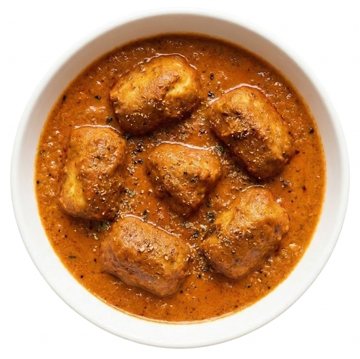
Paneer Makhani (Paneer in Creamy Tomato Sauce)

Paneer Makhani

Paneer in Creamy Tomato Sauce
Vegetarian●●●Origin PunjabPrep 30 minutesCook 20 minutes

Golden cubes of paneer simmered in a velvety, buttery tomato gravy scented with warming spices and fenugreek. It has a rich, mildly sweet, and tangy flavour with a luscious creamy finish.

Ground spices and pastes

80 gFried with the tomatoes (step 3)
Combine the ground spices, poppy seeds, and pastes together in a bowl.

Whole spices

3.3 gAdded to the sauce before simmering (step 4)
01
0.5 g1 leaf
spice
02
0.2–0.3 g3–4 cloves
spice
03
2.6 g2 pieces
spice
Keep whole: they go into the sauce together.

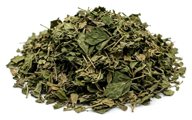
Crushed fenugreek

0.7 gStirred in with the cream (step 5)
01
0.7 g1 teaspoon
herb
Crush lightly between your fingers.

Everything else

01
500 g
vegetable
02
49 g3½ tablespoons
dairy
03
500 g
dairy
04
54 g4 tablespoons
oil/fat
05
12 g2 tablespoons
aromatic
06
4.2 g1 teaspoon
sweetener
07
127 g125 ml
dairy
08
to taste
salt
09
4 g4 tablespoons
herb

Method

  1. Submerge 500 g tomato in boiling water for 30 seconds, then transfer immediately to cold water to loosen the peel. Peel off the skins and roughly chop the flesh.
  2. Melt 49.4 g butter in a heavy frying pan over medium heat. Fry 500 g paneer for 8 to 10 minutes until uniformly golden, then lift the cubes out with a slotted spoon and drop them into a bowl of water to keep soft.
  3. Heat 54 g vegetable oil in a heavy pan. Tip in the chopped tomatoes and fry for 2 minutes, then add the ground spices and pastes and cook for 2 to 3 minutes until the oil separates from the masala.
  4. Add 12 g fresh ginger, the whole spices, and 250 ml hot water. Boil rapidly over high heat for 5 to 7 minutes, then turn the heat down and simmer for 3 to 4 minutes until reduced and thickened.
  5. Stir in the crushed fenugreek, 4.2 g granulated sugar, and 127 g single cream, then take the pan off the heat.
  6. Drain the soaked paneer, fold it into the sauce, and season with salt to taste. Reheat gently until warmed through, then scatter over 4 g coriander leaf to serve.

Don't have something?

Tomato
  • Tomato purée

    Use 40% to 50% of the fresh tomato weight mixed with a splash of water. Imparts a deeper red colour, thicker sauce, and slightly sweeter cooked flavour.

  • Plain yogurt

    Use 60% of the weight, whisked smooth and added on low heat. Provides rich body and sourness, though the gravy becomes paler and creamier.

Butter
  • Unsalted butter

    Use 100% of the weight. If the original recipe relies on salted table butter, add a pinch of salt to balance.

  • Ghee

    Use 80% to 85% of the weight. Ghee is pure butterfat with moisture removed; it yields a deeper, nuttier flavour and handles high heat better.

  • Vegetable oil

    Use 80% of the weight for frying or tempering. The dish loses sweet dairy richness but remains glossy and light.

Paneer
  • Extra-firm tofu

    Use equal weight, pressed well to remove excess moisture and cut into cubes. Pan-fry lightly before adding; absorbs sauces similarly, though it lacks dairy sweetness.

  • Halloumi

    Use equal weight, soaked in warm water for 20 minutes to leach out excess salt. Holds shape during frying, but has a denser, saltier chew.

Vegetable oil
  • Peanut oil

    Use 1:1 by weight. Handles high-heat frying identically and introduces a very subtle, pleasant nuttiness.

  • Ghee

    Use 1:1 by weight. Yields a much richer, authentic aroma and a glossy, heavier mouthfeel.

  • Mustard oil

    Use 1:1 by weight. Heat until smoking, then cool slightly before cooking to temper its intensely pungent, sharp mustard kick.

Chilli powder
  • Red chilli powder

    Use 100% of the weight. Provides direct, sharp heat and red colour in equal measure.

  • Kashmiri chilli powder

    Use 150% to 200% of the weight if matching colour, but add a pinch of black pepper or hot chilli if you need equivalent fiery heat.

  • Cayenne pepper

    Use 75% to 100% of the weight. Offers a sharp, clean heat with slightly less earthy depth and less crimson colour.

Ground green cardamom
  • Green cardamom seed

    Grind freshly extracted inner black seeds finely; use equal weight (1:1). Greatly superior aroma with potent eucalyptus and citrus notes.

  • Green cardamom pod

    Lightly crack whole pods and simmer them in the gravy; use 150% of the weight of ground cardamom. Fish out the pods before serving.

  • Ground nutmeg

    Use 50% of the weight. Delivers warm, sweet aroma, but lacks cardamom's cooling, citrusy top notes.

Garam masala
  • Ground cumin

    Use 50% of the weight mixed with equal parts ground coriander and a pinch of ground cinnamon, ground cloves, and ground green cardamom. Sprinkle near the end for a warming finish.

  • Lentil stew spice mix

    Use 75% of the weight. Simmer briefly in the gravy; imparts roasted warmth and complexity, though it adds a slight tang and earthy lentil undertone.

Ginger paste
  • Fresh ginger

    Use equal weight; peel and grate very finely on a microplane or pound to a fine paste in a mortar.

  • Ginger

    Use equal weight; mince finely and crush with the flat of a knife before frying.

  • Ground ginger

    Use 20% of the weight; add directly with the dry spice powders, though it yields an earthier, less pungent profile.

Garlic paste
  • Garlic

    Use equal weight; crush or finely grate to a smooth pulp to replicate the same fresh, pungent moisture in your base gravy.

  • Garlic powder

    Use 20 to 25% of the weight; mix with a teaspoon of water before adding to oil so it does not burn, noting it lacks the fresh bite.

Poppy seed
  • Cashew nut

    Use equal weight. Soak in warm water for 20 minutes and grind to a smooth paste; produces an even creamier, slightly richer gravy than poppy seeds.

  • White sesame seed

    Use equal weight. Soak and grind finely; provides similar thickening and body with a slightly nuttier, faintly bitter edge.

  • Almond

    Use equal weight. Blanch, peel, and grind finely with a splash of water; lends a velvety body and gentle sweetness to gravies.

Fresh ginger
  • Ginger paste

    Use equal weight. Sauté in hot fat until the raw allium smell disappears; slightly wetter, but provides identical warmth and pungency.

  • Ground ginger

    Use 20% to 25% of the weight (1 g for every 4 to 5 g fresh). Stir into the gravy; adds peppery heat and warmth, though it misses the crisp, zesty kick of raw root.

Bay leaf
  • Cinnamon stick

    Use a 2 cm piece (about 1 g) for every 1 to 2 bay leaves. Fry in whole-spice temperings; provides the cassia-like warmth typical of Indian tejpatta.

  • Ground cinnamon (cassia)

    Use 0.5 g per leaf. Stir into the sauce during simmering; gives the same warm woodiness but darkens the colour slightly.

Clove
  • Ground cloves

    Use 1 g ground for 4 g whole (or 1 small pinch per 2 to 3 whole cloves). Add with spice powders; disperses intense warmth quickly, so use with restraint.

  • Allspice berries

    Use 100% of the weight whole in tempering. Imparts a warm, clove-like aromatic profile combined with hints of nutmeg and cinnamon.

  • Black cardamom pod

    Use 1 pod for 3 to 4 cloves in whole tempering. Shares a camphor-like warmth and medicinal depth, though it introduces a distinct smoky undertone.

Cassia bark
  • Ceylon cinnamon

    True cinnamon: thinner, papery quills, milder and sweeter. Use about 1.5 times the weight, and taste.

  • Ground cinnamon (cassia)

    Use about a third of the weight (0.5 g ground for a 2.5 cm piece), stirred in with the ground spices rather than fried whole, since the powder burns quickly.


  • Cassia buds

    Use 60-70% of the weight; stronger and more peppery, so taste before adding more.

Kasuri methi
  • Ground fenugreek

    Use 20% of the weight; stir in during tempering rather than crushing over at the end, and be cautious as it turns bitter easily.

  • Fenugreek seeds

    Crush lightly and fry in the initial oil tempering, using 25% of the weight; provides bitter notes but lacks leafy aroma.

Granulated sugar
  • Jaggery

    Use equal weight; grate or shave finely so it dissolves rapidly, giving a warm, caramel-like sweetness and slightly darker sauce.

Single cream
  • Whole milk

    Use equal weight, whisked with a small knob of unsalted butter. Simmer gently over low heat to reduce curdling; sauce will be slightly lighter.

  • Clotted cream

    Use 50% weight combined with 50% whole milk, whisked until smooth. Adds intense richness, so stir in at the very end off the heat.

  • Cashew paste

    Use 60% cashew paste mixed with 40% warm water. Creates a silky, luxurious thickening that won't split even under high heat.

Coriander leaf
  • Coriander

    Use equal weight finely chopped; this is the exact same fresh herb.

  • Mint

    Use half the weight finely chopped; provides vibrant green freshness, though the flavour profile becomes noticeably cooler and sharper.

Similar dishes

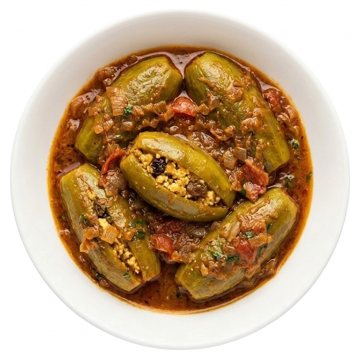
Potoler Dolma
Wax Gourd Curry
Potoler Dolma is sharper and more pungent from mustard oil and fresh green chillies rather than rich, buttery, and creamy like this dish.
  • Same: Potoler Dolma also features paneer cooked in a tomato-based sauce seasoned with ginger, garlic, chilli powder, and garam masala.
  • Different: Instead of simmering paneer cubes in butter and cream, it stuffs the paneer with raisins inside wax gourds and cooks them in mustard oil with onions and cumin seeds.
Paneer Pasanda
Stuffed Paneer in a Spicy Tomato Sauce
Paneer Pasanda is spicier and more savory due to fresh green chillies and fried onion paste, lacking the mild sweetness, cardamom aroma, and rich creaminess of this dish.
  • Same: Both dishes feature paneer cooked in a tomato-based sauce spiced with ginger-garlic paste, garam masala, and chilli powder.
  • Different: Paneer Pasanda coats stuffed paneer sandwiches in chickpea flour batter to deep-fry them and thickens its ghee-based gravy with fried onions and cashew paste, rather than simmering plain cubes in a butter- and cream-based sauce flavored with whole spices and poppy seeds.
Malai Kofta
Stuffed Paneer Dumplings
Malai Kofta tastes richer and nuttier from khoya, cashew, clotted cream and dried fruit, with a milder, less fenugreek-scented and less tangy finish than this dish.
  • Same: Malai Kofta shares paneer, tomato gravy, ginger, green cardamom, clove, cinnamon, bay leaf, chilli powder and coriander leaf with this dish.
  • Different: Malai Kofta uses fried paneer-and-chickpea-flour dumplings stuffed with clotted cream, khoya, cashew and raisin, plus saffron, black cumin, mace, black cardamom, cashew paste and vegetable stock, while this dish simmers plain paneer cubes in a butter-and-single-cream tomato gravy with garlic paste, poppy seed, kasuri methi and sugar.
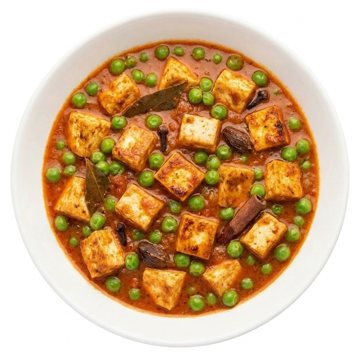
Matar Paneer
Paneer & Pea Curry
Matar Paneer tastes less creamy and less tangy-sweet than this dish, with a drier spiced gravy and sweet peas instead of a velvety tomato finish.
  • Same: Matar Paneer shares paneer cubes, chilli powder, garam masala, ginger, bay leaf, clove and cinnamon with this dish.
  • Different: Matar Paneer adds green peas and uses ghee or oil with cumin, turmeric, coriander and black cardamom, while it lacks this dish's tomato, butter, cream, sugar, poppy seed, kasuri methi and garlic paste.