Indian cooking
Indian cooking / Dishes / Lamb Dalcha
Lamb Dalcha (Lamb and Lentil Stew)

Lamb Dalcha

Lamb and Lentil Stew
Non-vegetarian

Lamb Dalcha is a lamb and lentil stew with tender meat, soft masoor dal and a tomato-onion base. It tastes gently spiced, herby and tangy, with a warm cumin-and-chilli tadka stirred in at the end.

Whole spices for the oil

6 gFried in the hot oil at the start of the stew (step 6)
Keep whole; add them together to the hot oil.

Ground spices for the stew

4.8 gStirred into the onion and herb base (step 10)
01
3 g1 teaspoon
spice
02
1.8 g1 teaspoon
spice
Keep ground; add them together.

Dal turmeric

0.3 gAdded to the lentils and water at the start of the dal (step 2)
01
~0.3 gpinch
spice
Keep ground; add it to the lentils.

Tadka spices

3.6 gAdded to the hot oil for the tadka (step 16)
01
2.1 g1 teaspoon
spice
Keep whole: add the cumin first, then the chilli once it sizzles.

Everything else

01
40 g3 tablespoons
oil/fat
02
Onion · Pyazthinly sliced
300 g2 onions
vegetable
03
Garlic · Lehsunfinely chopped
12 g4 cloves
aromatic
04
Fresh ginger · Adrakfinely chopped
10 g2½ cm
aromatic
05
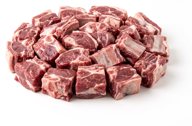
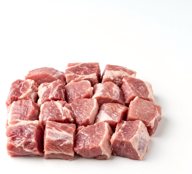
Lamb shoulder · Dastchopped into bite-sized pieces (ask your butcher to do this)
800 g
meat
06
Tomato · Tamatarroughly chopped
240 g2 tomatoes
vegetable
08
to taste
salt
11
6 g2 cloves
aromatic
12
14 g1 tablespoon
oil/fat
13
3 g12 leaves
herb
14
to taste
herb
15
15 g1 tablespoon
souring agent

Method

  1. Rinse 200 g masoor dal.
  2. Put the dal in a medium pan with 900 ml water, 0.3 g ground turmeric and salt to taste. Bring to a boil, then simmer for 25–30 minutes until tender.
  3. Mash the dal lightly with a potato masher so it thickens a little; set aside.
  4. Blend 20 g mint leaf, 60 g coriander leaf and stem, 6 g garlic and 70 ml water to a smooth thick paste; set aside.
  5. Heat 40.5 g vegetable oil in a wide heavy pan over medium heat.
  6. Add the whole spices for the oil (0.9 g green cardamom, 1.9 g black cardamom, 4 g cassia bark, 0.4 g clove, 0.5 g bay leaf); fry for 10–15 seconds until fragrant.
  7. Add 300 g onion and sauté for 10–12 minutes until soft and coloured.
  8. Add 12 g garlic and 10 g ginger; fry for 30 seconds.
  9. Stir in the herb paste and fry for 2 minutes.
  10. Add the ground spices for the stew (3 g ground turmeric, 1.8 g ground coriander); stir and fry for 20 seconds.
  11. Add 800 g lamb and fry for 6–7 minutes, turning the pieces to coat them.
  12. Add 240 g tomato and fry for 1 minute. Add 100 ml water and season with salt to taste.
  13. Bring to a boil, cover and simmer for 50 minutes, stirring halfway through.
  14. Add the mashed dal and cook uncovered over low heat for 15 minutes, stirring continuously so it does not stick.
  15. For the tadka, heat 13.5 g vegetable oil in a small saucepan over medium heat.
  16. Add the tadka spices: 2.1 g cumin seed first and let it sizzle for 20–30 seconds, then add 2.5 g dried mild chilli and 3 g curry leaf; remove from the heat.
  17. Stir the tadka into the stew.
  18. Scatter over chopped coriander leaves to taste and squeeze over 15.3 g lemon juice.

Don't have something?

Vegetable oil
  • Peanut oil

    Use 1:1 by weight. Handles high-heat frying identically and introduces a very subtle, pleasant nuttiness.

  • Ghee

    Use 1:1 by weight. Yields a much richer, authentic aroma and a glossy, heavier mouthfeel.

  • Mustard oil

    Use 1:1 by weight. Heat until smoking, then cool slightly before cooking to temper its intensely pungent, sharp mustard kick.

Green cardamom pod
  • Green cardamom seed

    Use 35 to 40% of the total pod weight; lightly bruise the seeds before frying in oil to release their essential oils.

  • Ground green cardamom

    Use 20 to 25% of the pod weight (about 1 generous pinch per pod); stir in toward the end of cooking so the delicate floral notes do not dissipate.

  • White cardamom pod

    Use 1:1 by pod count or weight; crack gently before using, though it is slightly less intensely floral.

Black cardamom pod
  • Ground black cardamom

    Use 0.5 g of ground seeds for each whole pod. Stir directly into the curry base; delivers identical smoky flavour without woody husks.

  • Green cardamom pod

    Use equal pod count or weight. Crack slightly and fry whole; tastes sweet, menthol-fresh, and floral rather than dark and smoky.

Cassia bark
  • Ceylon cinnamon

    True cinnamon: thinner, papery quills, milder and sweeter. Use about 1.5 times the weight, and taste.

  • Ground cinnamon (cassia)

    Use about a third of the weight (0.5 g ground for a 2.5 cm piece), stirred in with the ground spices rather than fried whole, since the powder burns quickly.

  • Cassia buds

    Use 60-70% of the weight; stronger and more peppery, so taste before adding more.

Clove
  • Ground cloves

    Use 1 g ground for 4 g whole (or 1 small pinch per 2 to 3 whole cloves). Add with spice powders; disperses intense warmth quickly, so use with restraint.

  • Allspice berries

    Use 100% of the weight whole in tempering. Imparts a warm, clove-like aromatic profile combined with hints of nutmeg and cinnamon.

  • Black cardamom pod

    Use 1 pod for 3 to 4 cloves in whole tempering. Shares a camphor-like warmth and medicinal depth, though it introduces a distinct smoky undertone.

Bay leaf
  • Cinnamon stick

    Use a 2 cm piece (about 1 g) for every 1 to 2 bay leaves. Fry in whole-spice temperings; provides the cassia-like warmth typical of Indian tejpatta.

  • Ground cinnamon (cassia)

    Use 0.5 g per leaf. Stir into the sauce during simmering; gives the same warm woodiness but darkens the colour slightly.

Onion
  • Shallot

    Use equal weight, finely sliced. Shallots soften and brown faster, giving a slightly sweeter and more delicate base to curries.

  • Cabbage

    Use 80% of the weight, finely shredded and browned slowly with a pinch of asafoetida. Replicates the bulk and natural sweetness in gravies without allium.

Garlic
  • Garlic paste

    Use equal weight. Fry gently in oil or ghee with the ginger; incorporates smoothly into curries without visible minced bits.

  • Garlic powder

    Use 15% to 20% of the weight (about 1 g for every 5 to 6 g fresh cloves). Whisk into sauces; gives a savoury, toasted garlic flavour without raw pungency.

  • Shallot

    Use 1.5 times the weight, very finely minced. Sauté until golden; provides savoury allium sweetness, though it lacks garlic's pungent sulphur bite.

Fresh ginger
  • Ginger paste

    Use equal weight. Sauté in hot fat until the raw allium smell disappears; slightly wetter, but provides identical warmth and pungency.

  • Ground ginger

    Use 20% to 25% of the weight (1 g for every 4 to 5 g fresh). Stir into the gravy; adds peppery heat and warmth, though it misses the crisp, zesty kick of raw root.

Ground turmeric
  • Ground ginger

    Use 50% of the weight. Mimics turmeric's warm, earthy, rhizome background, but provides none of the golden-yellow colour.

  • Saffron

    Steep a tiny pinch (0.1 g per 2 g turmeric) in 2 tbsp warm water; use to match the rich golden hue. Contributes an aristocratic, honeyed floral flavour rather than earthy bitterness.

Ground coriander
  • Coriander seeds

    Dry-roast lightly in a pan and grind to a fine powder; use equal weight (1:1). Offers a noticeably fresher, brighter citrus note.

  • Ground cumin

    Use 50% to 75% of the weight. Lacks the floral, citrusy profile of coriander and turns the gravy heavier, earthier, and darker.

  • Garam masala

    Use 50% of the weight and stir in near the end of cooking. Adds warmth and depth since it contains ground coriander, but introduces stronger spices like clove and cinnamon.

Lamb shoulder
  • Lamb

    Use equal weight of diced lamb leg; cooks 15 minutes faster but has less gelatinous richness in slow braises.

  • Pork

    Use equal weight of pork shoulder; slow-cooks in roughly three-quarters of the time and produces a slightly sweeter gravy.

Tomato
  • Tomato purée

    Use 40% to 50% of the fresh tomato weight mixed with a splash of water. Imparts a deeper red colour, thicker sauce, and slightly sweeter cooked flavour.


  • Plain yogurt

    Use 60% of the weight, whisked smooth and added on low heat. Provides rich body and sourness, though the gravy becomes paler and creamier.

Masoor dal
  • Split mung beans

    Use equal weight; cooks down to a creamy, comforting purée in roughly the same 20-25 minutes, with a paler yellow colour.

  • Pigeon peas

    Use equal weight; needs 15 minutes longer cooking or pressure cooking, producing a slightly grainier, nuttier dal.

  • Chana dal

    Use equal weight; pre-soak for 1 hour and cook for 20 minutes longer; stays whole rather than breaking down into a silky soup.

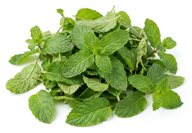
Mint leaf
  • Mint leaves

    Use the same weight; identical herb, just the plural listing.

  • Dried mint

    Use 25% of the fresh weight, about 1 g dried for 4 g fresh; crush between fingers. Flavour is stronger and slightly hay-like.

  • Coriander leaf

    Use the same weight; it gives a fresh green note but not true mint flavour.

Coriander leaves
  • Coriander (cilantro) or basil

    Use the same weight, choosing the coriander element if available. If only basil is available, expect a sweeter, more aniseed flavour.

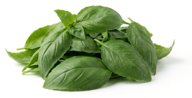
  • Basil leaves

    Use the same weight. Basil is sweeter and more aromatic in a different way; add near the end so it keeps its perfume.

  • Coriander paste

    Use 1.5 times the weight and reduce other liquid slightly; it is less fresh and more concentrated, so taste before adding more.

Cumin seed
  • Ground cumin

    Use 70% of the weight; add with ground spices or sauce bases rather than hot oil tempering, where it scorches quickly and turns bitter.

  • Black cumin seeds

    Use equal weight for oil tempering. Delivers an earthy profile with an additional musky, smoky, and slightly bitter edge.

  • Fennel seed

    Use 60% of the weight for tempering; offers comparable warm aroma, but leans sweet and liquorice-like rather than savoury and earthy.

Mild dried red chilli
  • Dried kashmiri chilli

    Use the same weight; similar mild heat and good colour. Remove seeds if you want it milder.

  • Kashmiri red chilli powder

    Use half the weight of whole chilli (1 g powder for 2 g whole); add to hot oil briefly so it does not burn.

  • Paprika

    Use the same weight; sweeter and milder, good for colour. Add a pinch of cayenne pepper if you need heat.

Curry leaf
  • Bay leaf

    Fry 1 bay leaf for every 5 curry leaves in hot oil; imparts a warm, woodsy background note, but misses the citrus-sulphury punch entirely.

  • Lime juice

    Add a small squeeze (about 5 ml per sprig of curry leaves) right before serving; provides sharp citrus top notes without the toasty, herbal aroma.

Lemon juice
  • Lime juice

    Use equal volume or weight; delivers almost identical sharp acidity with a faintly more aromatic, bitter-edged profile.

  • Dried mango powder

    Use 25% of the weight (about 1 g amchoor for 4 g juice); provides clean fruity tartness without thinning the sauce.

  • White vinegar

    Use 75% of the volume; gives direct sourness without any citrus floral fragrance.

Similar dishes

Dalcha Gosht
Lamb with Lentils
Dalcha Gosht tastes richer, creamier, sourer, and hotter from ghee, yogurt, lemon, and chilli than this dish, which is more tomato-based, herby, and gently spiced with a cumin-and-chilli tadka.
  • Same: Dalcha Gosht and this dish are both lamb-and-lentil stews built on onion, garlic, ginger, turmeric, ground coriander, whole warm aromatics, curry leaf, and lemon.
  • Different: Dalcha Gosht uses chana dal instead of masoor dal, ghee instead of vegetable oil, and yogurt plus more lemon as the souring agent, and it has no tomato, mint, cumin-seed tadka, or vegetable oil but adds green chilli, chilli powder, mace, coriander seeds, and steamed rice.
Nalli Gosht
Spiced Lamb Shanks
Nalli Gosht tastes richer and more aromatic from yoghurt, butter and rose water, with a thick tangy gravy, while this dish is gentler and herby with soft dal and a warm cumin-chilli tadka.
  • Same: Nalli Gosht shares with this dish a slow-cooked lamb base, onion, tomato, garlic, ginger, turmeric, ground coriander, cassia, cardamom, clove, vegetable oil, lemon and coriander leaves.
  • Different: Nalli Gosht uses lamb shanks and a yoghurt-thickened gravy with butter, tomato purée, rose water, nutmeg and bird’s eye chilli, while this dish uses lamb shoulder with masoor dal and a final cumin, dried chilli and curry-leaf tadka.
Laal Maas
Red-Hot Lamb
Laal Maas is much hotter and thinner, with dried red chilli heat and yoghurt tang, while this dish is gently spiced, herby and tangy with a cumin-and-chilli tadka.
  • Same: Laal Maas and this dish both simmer lamb with onion, garlic, cardamom, cumin, coriander, turmeric and coriander leaf.
  • Different: Laal Maas has no masoor dal, tomato, mint, lemon juice or curry leaf, and it uses yoghurt and ghee instead of a tomato-onion dal base and vegetable oil.
Dal Nizami
'Royal Salute' Dal
Dal Nizami tastes richer, velvety and more tangy from tamarind and lemon with a stronger garlic-onion-green chilli tempering, while this dish tastes gently spiced, meaty and herby with tomato tang and a warm cumin-and-chilli tadka.
  • Same: Dal Nizami shares with this dish a lentil base, onion, garlic, ginger, turmeric, green and black cardamom, clove, bay leaf, cumin seed, lemon and mint.
  • Different: Dal Nizami uses chana dal, brown lentil, toor dal, moong dal and urad dal with ghee or vegetable oil, whole wheat flour, tamarind, green chilli and chilli powder, and has no lamb, tomato, curry leaf or coriander leaf, while this dish uses masoor dal with lamb shoulder on the bone, tomato, vegetable oil and a cumin-and-dried-chilli tadka.