Indian cooking
Indian cooking / Dishes / Dal Nizami
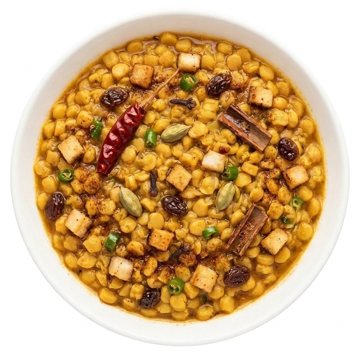
Dal Nizami ('Royal Salute' Dal)

Dal Nizami

'Royal Salute' Dal
Vegetarian●●●Origin HyderabadPrep 40 minutesCook 1 hour

A velvety, rich mixed-lentil dish infused with whole aromatic spices, enriched with layered temperings of garlic, onion, and chilli, and finished with a tangy hint of tamarind and lemon.

Lentil boiling spices and pastes

52 gAdded to the saucepan with the lentils and water (step 1)
01
3.9 g1½ teaspoons
spice
02
4.5 g1½ teaspoons
spice
05
0.4 g5 cloves
spice
06
2.6 g2 pieces
spice
07
2.5 g5 leaves
spice
Keep whole spices whole alongside the ground spices and pastes to cook directly in the liquid.

Tempering seeds

2.1 gFried in ghee with the garlic (step 2)
01
2.1 g1 teaspoon
spice
Leave whole to fry in hot fat.

Everything else

01
Chana dalrinsed and drained
50 g4 tablespoons
legume
02
50 g4 tablespoons
legume
03
Pigeon peas · Toor Dalrinsed and drained
52 g4 tablespoons
legume
04
48 g4 tablespoons
legume
05
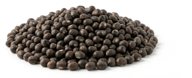
Black gram · Urad Dalrinsed and drained
100 g
legume
08
31 g2 tablespoons
souring agent
09
to taste
salt
10
68 g5 tablespoons
oil/fat
11
Garlic · Lehsunpeeled and crushed
24 g8 cloves
aromatic
12
100 g
vegetable
13
Onion · Pyazcrisp golden fried
to taste
vegetable
14
24 g4 chillies
vegetable
15
3 g10 sprigs
herb

Method

  1. Pour 1 litre of water into a large, heavy pan and add 50.4 g chana dal, 51.6 g toor dal, 100 g urad dal, and the lentil boiling spices and pastes. Bring to a rolling boil over medium-high heat, then lower the heat to a gentle simmer. Cook for around 30 minutes, skimming away any foam that gathers at the top, until the pulses are completely tender and all moisture is absorbed. Take off the heat.
  2. Warm about a third (around 22 g) of the 67.5 g ghee or vegetable oil in a skillet over medium heat. Tip in the tempering seeds and 24 g garlic, stirring continuously for roughly 30 seconds until the seeds crackle, then stir this directly into the cooked lentils.
  3. Heat another third of the ghee in the skillet, add 100 g onion, and sauté for 2 to 3 minutes until softened. Stir in 24 g green chilli, cook for an additional minute, and tip into the dal, mixing thoroughly.
  4. Melt the remaining ghee in the skillet, fry the remaining tempering herbs for about 1 minute until lightly browned, and fold into the lentils.
  5. Fish out the whole cardamom pods, cloves, cinnamon, and bay leaves from the pan. Transfer the lentils to a blender with 250 ml of water, process until smooth, and press through a fine sieve into a clean pan.
  6. Place the puréed dal over medium heat, whisking in 1.3 g tamarind extract, 50 g flour, and 500 ml water. Bring to a boil, then turn the heat to low and simmer for 2 minutes, stirring steadily, until thickened to a light custard consistency. Take off the heat, stir through 30.6 g lemon juice, and season to taste with salt.

Don't have something?

Chana dal
  • Yellow split peas

    Use 100% of the weight. Soak for at least 1 hour; takes about 10 minutes longer to cook through and has a marginally earthier flavour.

  • Pigeon peas

    Use 100% of the weight. Reduces cooking time by about 10 minutes and breaks down softer, giving a smoother consistency rather than distinct grains.

  • Black gram

    For tempering or tadka only: use 70% of the weight. Browns faster in hot oil, providing a nutty, crunchy bite.

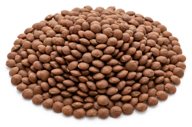
Whole brown lentil
  • Whole brown lentils

    Use the same weight; same soaking and cooking time.

  • Red lentils

    Use the same weight but split lentils cook 10–15 minutes faster; add later.

  • Whole mung bean

    Use the same weight; firmer and less sweet, so add 5–10 minutes cooking.

Toor dal
  • Red lentils

    Use equal weight. Cooks considerably faster and breaks down into a softer, creamier consistency with an earthier taste.

  • Chana dal

    Use equal weight. Requires longer soaking and cooking; remains firmer with a nuttier bite and less starchy thickening.

  • Split mung beans

    Use equal weight. Cooks quickly to a lighter, more delicate, and silky texture.

Moong dal
  • Red lentils

    Use equal weight. It cooks in about the same time and breaks down to a similar soft, creamy consistency, though the colour will be slightly pinkish-orange.

  • Pigeon peas

    Use equal weight. Requires longer soaking and cooking time, and produces a slightly earthier, denser dal.

Urad dal
  • Whole black gram

    Use equal weight. Needs longer soaking and cooking; the dark skins impart an earthy flavour and greyish-black hue unless thoroughly rubbed off.

  • Chana dal

    Use equal weight when tempering (tadka). Provides a comparable nutty, crunchy texture in hot oil, though grains are slightly larger.

  • Split mung beans

    Use equal weight for batters or dals. Ferments and cooks faster, producing a lighter, less sticky, and less viscous consistency.

Chilli powder
  • Red chilli powder

    Use 100% of the weight. Provides direct, sharp heat and red colour in equal measure.

  • Kashmiri chilli powder

    Use 150% to 200% of the weight if matching colour, but add a pinch of black pepper or hot chilli if you need equivalent fiery heat.

  • Cayenne pepper

    Use 75% to 100% of the weight. Offers a sharp, clean heat with slightly less earthy depth and less crimson colour.

Ground turmeric
  • Ground ginger

    Use 50% of the weight. Mimics turmeric's warm, earthy, rhizome background, but provides none of the golden-yellow colour.

  • Saffron

    Steep a tiny pinch (0.1 g per 2 g turmeric) in 2 tbsp warm water; use to match the rich golden hue. Contributes an aristocratic, honeyed floral flavour rather than earthy bitterness.

Green cardamom pod
  • Green cardamom seed

    Use 35 to 40% of the total pod weight; lightly bruise the seeds before frying in oil to release their essential oils.

  • Ground green cardamom

    Use 20 to 25% of the pod weight (about 1 generous pinch per pod); stir in toward the end of cooking so the delicate floral notes do not dissipate.

  • White cardamom pod

    Use 1:1 by pod count or weight; crack gently before using, though it is slightly less intensely floral.

Black cardamom pod
  • Ground black cardamom

    Use 0.5 g of ground seeds for each whole pod. Stir directly into the curry base; delivers identical smoky flavour without woody husks.

  • Green cardamom pod

    Use equal pod count or weight. Crack slightly and fry whole; tastes sweet, menthol-fresh, and floral rather than dark and smoky.

Clove
  • Ground cloves

    Use 1 g ground for 4 g whole (or 1 small pinch per 2 to 3 whole cloves). Add with spice powders; disperses intense warmth quickly, so use with restraint.

  • Allspice berries

    Use 100% of the weight whole in tempering. Imparts a warm, clove-like aromatic profile combined with hints of nutmeg and cinnamon.

  • Black cardamom pod

    Use 1 pod for 3 to 4 cloves in whole tempering. Shares a camphor-like warmth and medicinal depth, though it introduces a distinct smoky undertone.

Cassia bark
  • Ceylon cinnamon

    True cinnamon: thinner, papery quills, milder and sweeter. Use about 1.5 times the weight, and taste.

  • Ground cinnamon (cassia)

    Use about a third of the weight (0.5 g ground for a 2.5 cm piece), stirred in with the ground spices rather than fried whole, since the powder burns quickly.

  • Cassia buds

    Use 60-70% of the weight; stronger and more peppery, so taste before adding more.

Bay leaf
  • Cinnamon stick

    Use a 2 cm piece (about 1 g) for every 1 to 2 bay leaves. Fry in whole-spice temperings; provides the cassia-like warmth typical of Indian tejpatta.

  • Ground cinnamon (cassia)

    Use 0.5 g per leaf. Stir into the sauce during simmering; gives the same warm woodiness but darkens the colour slightly.

Ginger paste
  • Fresh ginger

    Use equal weight; peel and grate very finely on a microplane or pound to a fine paste in a mortar.

  • Ginger

    Use equal weight; mince finely and crush with the flat of a knife before frying.

  • Ground ginger

    Use 20% of the weight; add directly with the dry spice powders, though it yields an earthier, less pungent profile.

Garlic paste
  • Garlic

    Use equal weight; crush or finely grate to a smooth pulp to replicate the same fresh, pungent moisture in your base gravy.

  • Garlic powder

    Use 20 to 25% of the weight; mix with a teaspoon of water before adding to oil so it does not burn, noting it lacks the fresh bite.

Tamarind extract
  • Tamarind

    Use 180% of the weight of compressed tamarind; soak in three times its weight of boiling water for 15 minutes, knead, and strain out the thick pulp.

  • Dried mango powder

    Use 35% of the weight dissolved in two tablespoons of warm water. Provides sharp tang, though the resulting sauce will be lighter in colour.

  • Lemon juice

    Use equal weight, added right at the end of cooking. Adds sharp acidity without the deep brown hue or pulpy thickness.

Whole wheat flour
  • Wholemeal flour

    Use the same weight; it is very close, but add water slowly as it can be coarser and absorb more.

  • Plain flour

    Use the same weight but reduce water by about 10%; the dough is softer and the flavour less nutty.

  • Flour

    Use the same weight as a plain-flour swap; reduce water slightly and expect a lighter, less wheaty result.

Lemon juice
  • Lime juice

    Use equal volume or weight; delivers almost identical sharp acidity with a faintly more aromatic, bitter-edged profile.

  • Dried mango powder

    Use 25% of the weight (about 1 g amchoor for 4 g juice); provides clean fruity tartness without thinning the sauce.

  • White vinegar

    Use 75% of the volume; gives direct sourness without any citrus floral fragrance.

Ghee or vegetable oil
  • Peanut oil

    Use equal weight; handles high tempering heat well and keeps flavours neutral.

  • Butter

    Use equal weight; cook over gentle heat to prevent browning the milk solids too quickly.

Cumin seed
  • Ground cumin

    Use 70% of the weight; add with ground spices or sauce bases rather than hot oil tempering, where it scorches quickly and turns bitter.

  • Black cumin seeds

    Use equal weight for oil tempering. Delivers an earthy profile with an additional musky, smoky, and slightly bitter edge.

  • Fennel seed

    Use 60% of the weight for tempering; offers comparable warm aroma, but leans sweet and liquorice-like rather than savoury and earthy.

Garlic
  • Garlic paste

    Use equal weight. Fry gently in oil or ghee with the ginger; incorporates smoothly into curries without visible minced bits.

  • Garlic powder

    Use 15% to 20% of the weight (about 1 g for every 5 to 6 g fresh cloves). Whisk into sauces; gives a savoury, toasted garlic flavour without raw pungency.

  • Shallot

    Use 1.5 times the weight, very finely minced. Sauté until golden; provides savoury allium sweetness, though it lacks garlic's pungent sulphur bite.

Onion
  • Shallot

    Use equal weight, finely sliced. Shallots soften and brown faster, giving a slightly sweeter and more delicate base to curries.

  • Cabbage

    Use 80% of the weight, finely shredded and browned slowly with a pinch of asafoetida. Replicates the bulk and natural sweetness in gravies without allium.


Green chilli
  • Chilli powder

    Use 10 to 15% of the weight (about 1/4 teaspoon per chilli); imparts dry pungent heat and reddens the dish without the grassy crunch.

  • Dried red chilli

    Use 1 dried pod per fresh green chilli; snap in half and temper in hot oil for a deeper, toastier heat.

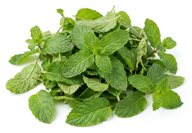
Mint leaf
  • Mint leaves

    Use the same weight; identical herb, just the plural listing.

  • Dried mint

    Use 25% of the fresh weight, about 1 g dried for 4 g fresh; crush between fingers. Flavour is stronger and slightly hay-like.

  • Coriander leaf

    Use the same weight; it gives a fresh green note but not true mint flavour.

Similar dishes

Dalcha Gosht
Lamb with Lentils
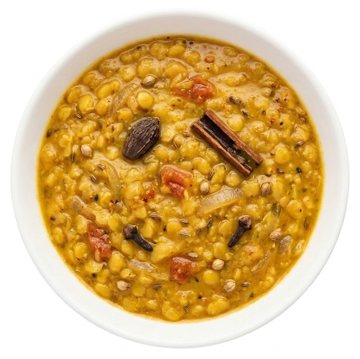
Dalcha Gosht is meatier and dairy-rich from the lamb and yogurt, while this dish has an earthier lentil flavor sharpened by tamarind.
  • Same: Dalcha Gosht shares chana dal, a ghee-based garlic tempering, and whole aromatics like cinnamon, cloves, bay leaf, and cardamoms with this dish.
  • Different: Dalcha Gosht adds 500 g of lamb, yogurt, curry leaves, and mace, but relies solely on chana dal rather than this dish's four-lentil blend and omits cumin seeds and tamarind.
Chholar Dal
Chana Dal with Coconut
Chholar Dal has a gently spiced, sweet, and nutty profile, contrasting with the savory, pungent, and sharp, tangy flavor of this dish.
  • Same: Both dishes cook chana dal using ghee and share whole spices like cinnamon, green cardamom, cloves, cumin seeds, and bay leaves alongside turmeric and green chillies.
  • Different: Chholar Dal relies solely on chana dal paired with coconut and raisins, completely omitting the onion, garlic, ginger, and souring agents like tamarind and lemon juice used in this multi-lentil dish.
Keoti Dal
Mixed Dal
Keoti Dal tastes lighter and more herbal from the curry leaves and mustard seeds, lacking the deep warm-spice heat and tangy tamarind richness of this dish.
  • Same: Keoti Dal also combines mixed lentils with toor dal, onion, ginger, garlic, green chillies, turmeric, and cumin seeds, finished with lemon juice and a hot oil tempering.
  • Different: Keoti Dal uses only toor and masoor dals seasoned with mustard seeds and curry leaves, omitting the chana, moong, and urad dals, tamarind, chilli powder, and whole sweet spices like cinnamon, cloves, and cardamom found in this dish.
Tadka Dal
Tempered Yellow Dal
Tadka Dal tastes earthy and savoury with a buttery tomato-onion tang and chilli heat, while this dish is richer and more tangy from tamarind and lemon with a more complex mixed-lentil flavour.
  • Same: Tadka Dal shares toor dal, onion, garlic, cumin seed, black cardamom, cinnamon, clove, chilli powder, salt, and a whole-spice tempering with this dish.
  • Different: Tadka Dal uses only toor dal and adds tomato, butter, coriander seeds, and dried red chilli, while this dish uses five lentils plus tamarind, lemon, mint, green chilli, and whole wheat flour.