
Lagan ka Keema
A rich, spiced minced lamb dish baked until tender and crisped on top, infused with fragrant herbs, roasted spices, and an optional smoky charcoal finish.
saffron
0.3 gSteeped in milk (step 2)ground spices
45 gMixed into the minced lamb (step 3)Everything else

Method
- Preheat the oven to 180°C (350°F). Heat 27 g vegetable oil or ghee in a heavy pan over medium heat, then fry 300 g onion for 5 to 7 minutes until browned and crisp. Blend half of the fried onions into a paste, reserving the other half for garnish, and retain the cooking fat in the pan.
- Steep the saffron in 1 teaspoon warm milk for 20 minutes, then crush to a smooth paste using a mortar and pestle.
- To the pan with the reserved oil, add 500 g minced lamb, the onion paste, the saffron mixture, 100 g mint, 100 g coriander leaf, 127 g plain yogurt, the ground spices, 1 lemon, juice of, and salt to taste. Fry over low heat for about 10 minutes until the mince has browned.
- Spread the mixture evenly across a large baking dish and bake for roughly 40 minutes until thoroughly cooked. Move under a hot grill for several minutes to brown the surface.
- If desired, press a small hollow into the meat, place a glowing piece of charcoal nestled in an onion skin inside, spoon over a dash of oil or ghee, and cover tightly for 10 minutes to smoke. Scatter with the reserved fried onions and fresh mint before serving.
Don't have something?


 Peanut oil
Use equal weight; handles high tempering heat well and keeps flavours neutral.
 Butter
Use equal weight; cook over gentle heat to prevent browning the milk solids too quickly.






 Ground turmeric
Use 15% of the saffron's weight. Replicates the bright yellow colour well, but lacks the floral, earthy depth; use sparingly to avoid bitterness.
 Screwpine water or rosewater
Use a few drops combined with a tiny pinch of ground turmeric to mimic both the regal floral aroma and the golden hue.



 Whole milk
Use equal weight; provides the standard rich dairy fat and body expected in creamy Indian bases.
 Single cream
Dilute 3 parts cream with 1 part water to match the weight; yields a richer, glossier gravy that resists curdling.
 Plain yogurt
Whisk thoroughly and use equal weight; adds extra body and a mild pleasant acidity, best added off the heat.


 Ground lamb
Use the same weight; it is the same thing under another name and cooks identically.
 Minced chicken
Use the same weight; it is leaner, so add 1 tbsp oil and cook 3–4 minutes less.
 Boneless lamb
Mince at home; use the same weight. Keep some fat for juiciness and cook until browned.


 Dried mint
Use about 30% of the weight of fresh mint. Rub between your palms to crush before stirring in; the flavour will be more intensely herbal and less bright.
 Coriander leaf
Use equal weight, finely chopped. Adds fresh citrusy green notes, but lacks the cooling menthol lift.



 Coriander seeds
Dry-roast lightly in a pan and grind to a fine powder; use equal weight (1:1). Offers a noticeably fresher, brighter citrus note.
 Ground cumin
Use 50% to 75% of the weight. Lacks the floral, citrusy profile of coriander and turns the gravy heavier, earthier, and darker.
 Garam masala
Use 50% of the weight and stir in near the end of cooking. Adds warmth and depth since it contains ground coriander, but introduces stronger spices like clove and cinnamon.


 Yogurt
Use equal weight, whisked thoroughly until smooth before adding to hot dishes to prevent curdling.
 Coconut milk
Use equal weight with 1 teaspoon lemon juice mixed in. Provides rich creaminess in curries, but adds a noticeable coconut flavour.
- Single cream
Use 80% of the weight plus a squeeze of lemon juice for acidity. Enriches sauces nicely, though it is richer and less tangy.


 Ginger paste
Use the same weight; it is practically the same.
 Fresh ginger
Grate the same weight; it is the same but more fibrous.
 Ground ginger
Use about 30% of the weight, mixed with a little water; it is drier and hotter, with less fresh brightness.


 Garlic powder
Use equal weight (1:1). Behaves virtually identically, dissolving seamlessly into dry rubs or wet gravies.
 Garlic paste
Use 300% to 400% of the weight (e.g. 3–4 g paste for 1 g ground). Sauté in oil to cook off the raw moisture; imparts a fresher, sharper punch.
 Garlic
Finely mince or grate fresh cloves; use 300% to 400% of the weight. Fry gently in oil early in the cooking process to mellow the pungency.


 Red chilli powder
Use 100% of the weight. Provides direct, sharp heat and red colour in equal measure.
 Kashmiri chilli powder
Use 150% to 200% of the weight if matching colour, but add a pinch of black pepper or hot chilli if you need equivalent fiery heat.
 Cayenne pepper
Use 75% to 100% of the weight. Offers a sharp, clean heat with slightly less earthy depth and less crimson colour.


 Fennel seed
Same weight, lightly crushed; sweeter and milder but the closest match for the anise note.
 Cumin seed
Use two-thirds the weight; earthier and warmer, losing most of the aniseed character — good in breads and root vegetables.
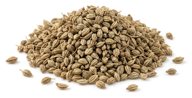 Carom seeds
Use half the weight; much more pungent and thyme-like, so add early in hot oil to soften it.


- Cumin seed
Dry-roast briefly and grind finely; use equal weight (1:1). Imparts an even punchier, nuttier, toasty aroma than pre-ground cumin.
- Ground coriander
Use equal weight (1:1). Adds mild, lemony sweetness rather than cumin's smoky, earthy bite; curries will taste lighter and less savoury.
 Black cumin seeds
Grind finely; use 60% to 75% of the weight. Produces a darker, more complex, smoky-herbal flavour suited to rich gravies.


 Cashew nut
Use equal weight. Soak in warm water for 20 minutes and grind to a smooth paste; produces an even creamier, slightly richer gravy than poppy seeds.
 White sesame seed
Use equal weight. Soak and grind finely; provides similar thickening and body with a slightly nuttier, faintly bitter edge.
 Almond
Use equal weight. Blanch, peel, and grind finely with a splash of water; lends a velvety body and gentle sweetness to gravies.


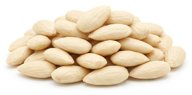 Blanched almond
Use the same weight, soak 20 minutes and use whole or grind; slightly sweeter and less bitter.
- Cashew nut
Use the same weight, soak 20 minutes; creamier and milder than chironji.
 Pistachio
Use the same weight, blanch and peel; stronger in flavour, so use slightly less if you want subtlety.

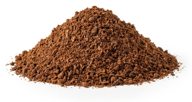
 Ground cinnamon (cassia)
Use about 70% of the weight and add a pinch of ground clove (about 20% of the allspice weight); the result is more cinnamon-forward.
 Ground clove
Use only about 20% of the weight; it is much stronger and can dominate the dish.
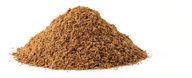 Ground nutmeg
Use about 50% of the weight; it gives warmth but lacks allspice's peppery edge.


- Ground cloves
Use 1 g ground for 4 g whole (or 1 small pinch per 2 to 3 whole cloves). Add with spice powders; disperses intense warmth quickly, so use with restraint.
 Allspice berries
Use 100% of the weight whole in tempering. Imparts a warm, clove-like aromatic profile combined with hints of nutmeg and cinnamon.
 Black cardamom pod
Use 1 pod for 3 to 4 cloves in whole tempering. Shares a camphor-like warmth and medicinal depth, though it introduces a distinct smoky undertone.


 Ceylon cinnamon
True cinnamon: thinner, papery quills, milder and sweeter. Use about 1.5 times the weight, and taste.
- Ground cinnamon (cassia)
Use about a third of the weight (0.5 g ground for a 2.5 cm piece), stirred in with the ground spices rather than fried whole, since the powder burns quickly.
 Cassia buds
Use 60-70% of the weight; stronger and more peppery, so taste before adding more.


 Green cardamom seed
Use 35 to 40% of the total pod weight; lightly bruise the seeds before frying in oil to release their essential oils.
 Ground green cardamom
Use 20 to 25% of the pod weight (about 1 generous pinch per pod); stir in toward the end of cooking so the delicate floral notes do not dissipate.
 White cardamom pod
Use 1:1 by pod count or weight; crack gently before using, though it is slightly less intensely floral.


 Lemon
Use the same weight; sharper and less floral, so reduce any extra souring slightly.
 Lemon juice
Use about 30 g juice per lime (2 tbsp), strain pips; add at the end for fresh sourness.
 Dried mango powder
Use 1 g amchoor for about 15 g lime juice; add early with spices; gives dry mango sourness, not citrus aroma.


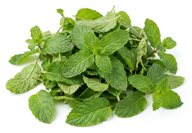 Mint leaves
Use about 2–3 g leaves per sprig; strip from the stem and add as directed.
- Dried mint
Use about 0.5 g per sprig, crushed; it is much stronger by weight, so do not overdo it.
 Coriander sprig
Use one sprig of the same size, about 2–3 g; it looks similar but tastes different.

Similar dishes
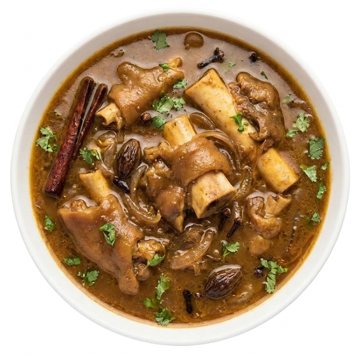
- Same: Both dishes share an aromatic base of onions, garlic, fresh coriander leaf, ground coriander, cinnamon, and cloves.
- Different: Nalli aur Paye slowly simmers trotters and marrow bones in substantially more oil with turmeric and black cardamom, whereas this dish bakes minced lamb with yogurt, poppy seeds, mint, and saffron.

- Same: Podi Mamsam also pairs lamb with yogurt, onions, garlic, cinnamon, cardamom, cloves, and chilli powder.
- Different: Instead of baking minced lamb with fresh mint, coriander leaves, poppy seeds, and saffron, Podi Mamsam simmers and pan-fries meat in far more fat with ginger, turmeric, and black pepper.

- Same: Both dishes combine minced meat with onions, yogurt, poppy seeds, saffron, fresh coriander, and whole spices like cinnamon, cloves, and cardamom.
- Different: Keema Khichari layers the meat with rice, tomatoes, ginger, and saffron milk in a pulao style, while this dish is baked alone with mint, cumin, and chilli powder.

- Same: Both dishes use lamb cooked with onions, yogurt, saffron, poppy seeds, cinnamon, and cloves.
- Different: Kofta Curry shapes the meat into pan-fried meatballs simmered in a coconut-thickened sauce with ginger, omitting this dish's fresh mint, coriander leaves, cumin, and baking technique.