
Kairi ka do Pyaza
A rich and tangy lamb curry layered with sweet fried onions, tart green mangoes, and aromatic whole spices.
ground spices
19 gAdded to the fried onions in step 2tempering spices
4.6 gFried with garlic for the tarka in step 6Everything else

Method
- Warm 114 g vegetable oil in a large, heavy-based pan over medium heat, then fry 750 g thinly sliced onion for roughly 4 minutes until lightly browned.
- Stir in 2 teaspoon ginger, the ground spices, and salt to taste, cooking for 1 minute. Add 500 g lamb (cut into 4-cm / 1½-inch bone-in pieces) and fry for about 5 minutes until browned.
- Mix in 300 g ground onion and cook for 2 minutes. Pour in 750 ml water and simmer for about 30 minutes until the meat is nearly cooked through.
- Add 3 sliced green mangoes, 4.2 g granulated sugar, and 24 g chopped green chilli. Continue simmering for 30–45 minutes until the lamb turns tender, adding more water if the pan becomes too dry.
- Stir in 100 g ground coriander leaf and 1.5 g chopped curry leaf, then cook for 5 minutes until the liquid reduces to roughly 125 ml and oil rises to the surface.
- In a separate skillet over medium heat, warm 13.5 g vegetable oil. Add the tempering spices along with 18 g chopped garlic and fry for about 1 minute until dark brown.
- Pour the hot tempering immediately over the curry, put the lid on to trap the fragrance, and serve hot with rice or flatbreads.
Don't have something?


 Peanut oil
Use 1:1 by weight. Handles high-heat frying identically and introduces a very subtle, pleasant nuttiness.
 Ghee
Use 1:1 by weight. Yields a much richer, authentic aroma and a glossy, heavier mouthfeel.
 Mustard oil
Use 1:1 by weight. Heat until smoking, then cool slightly before cooking to temper its intensely pungent, sharp mustard kick.






 Ginger paste
Use the same weight; it is practically the same.
 Fresh ginger
Grate the same weight; it is the same but more fibrous.
 Ground ginger
Use about 30% of the weight, mixed with a little water; it is drier and hotter, with less fresh brightness.


 Garlic powder
Use equal weight (1:1). Behaves virtually identically, dissolving seamlessly into dry rubs or wet gravies.
 Garlic paste
Use 300% to 400% of the weight (e.g. 3–4 g paste for 1 g ground). Sauté in oil to cook off the raw moisture; imparts a fresher, sharper punch.
 Garlic
Finely mince or grate fresh cloves; use 300% to 400% of the weight. Fry gently in oil early in the cooking process to mellow the pungency.


- Ground ginger
Use 50% of the weight. Mimics turmeric's warm, earthy, rhizome background, but provides none of the golden-yellow colour.
 Saffron
Steep a tiny pinch (0.1 g per 2 g turmeric) in 2 tbsp warm water; use to match the rich golden hue. Contributes an aristocratic, honeyed floral flavour rather than earthy bitterness.


 Cumin seed
Dry-roast briefly and grind finely; use equal weight (1:1). Imparts an even punchier, nuttier, toasty aroma than pre-ground cumin.
 Ground coriander
Use equal weight (1:1). Adds mild, lemony sweetness rather than cumin's smoky, earthy bite; curries will taste lighter and less savoury.
 Black cumin seeds
Grind finely; use 60% to 75% of the weight. Produces a darker, more complex, smoky-herbal flavour suited to rich gravies.


- Ground cumin
Use 50% of the weight mixed with equal parts ground coriander and a pinch of ground cinnamon, ground cloves, and ground green cardamom. Sprinkle near the end for a warming finish.
 Lentil stew spice mix
Use 75% of the weight. Simmer briefly in the gravy; imparts roasted warmth and complexity, though it adds a slight tang and earthy lentil undertone.


 Red chilli powder
Use 100% of the weight. Provides direct, sharp heat and red colour in equal measure.
 Kashmiri chilli powder
Use 150% to 200% of the weight if matching colour, but add a pinch of black pepper or hot chilli if you need equivalent fiery heat.
 Cayenne pepper
Use 75% to 100% of the weight. Offers a sharp, clean heat with slightly less earthy depth and less crimson colour.


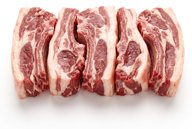
 Lamb shoulder
Use the same weight; leaner, so add a little oil and cook 10–15 minutes longer.
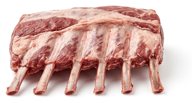 Lamb ribs
Use the same weight; fattier and bonier, so simmer 15–20 minutes longer and skim fat.
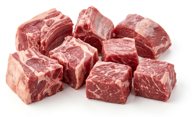 Lamb with fat
Use the same weight; closest richness, but cut into even pieces for cooking.


 Raw green mango
Use the same weight; peel and slice. Practically the same.
 Raw mango
Use the same weight; peel and grate. Close, but check sourness.
 Unripe mango
Use the same weight; peel and deseed. Slightly riper fruit may need extra lime or amchoor.


 Jaggery
Use equal weight; grate or shave finely so it dissolves rapidly, giving a warm, caramel-like sweetness and slightly darker sauce.


- Chilli powder
Use 10 to 15% of the weight (about 1/4 teaspoon per chilli); imparts dry pungent heat and reddens the dish without the grassy crunch.
 Dried red chilli
Use 1 dried pod per fresh green chilli; snap in half and temper in hot oil for a deeper, toastier heat.


 Bay leaf
Fry 1 bay leaf for every 5 curry leaves in hot oil; imparts a warm, woodsy background note, but misses the citrus-sulphury punch entirely.
 Lime juice
Add a small squeeze (about 5 ml per sprig of curry leaves) right before serving; provides sharp citrus top notes without the toasty, herbal aroma.


 Plain boiled rice
Use the same cooked weight; fluff and drain well so it does not make the dish wet.
 Chapati
Use the same cooked weight; about one 30 g chapati per 100 g cooked rice. Warm it and tear or cut as needed.
 Plain boiled rice or roti
Use the same cooked weight; roti is firmer and soaks up less sauce, so keep extra gravy on the side.


 Dried kashmiri chilli
Use equal weight whole. Fry in hot oil or ghee as tempered spice; gives a richer red colour with slightly milder heat.
- Red chilli powder
Use 50% to 70% of the weight. Stir into the oil with ground spices; distributes heat evenly throughout the dish without whole chilli skins.


 Black mustard seed
Use the same weight. The seeds are smaller and hotter; fry in hot oil until they pop, about 20–30 seconds, and reduce the heat if they darken too fast. The dish will be a little sharper.
 Yellow mustard seeds
Use the same weight. They are milder and larger; fry a few seconds longer until they pop. The finished dish will have less pungency.
 Ground mustard seed
Use 70% of the weight of whole seed, added with the other ground spices rather than fried whole. You lose the popping texture and the heat comes through more evenly.


- Garlic paste
Use equal weight. Fry gently in oil or ghee with the ginger; incorporates smoothly into curries without visible minced bits.
- Garlic powder
Use 15% to 20% of the weight (about 1 g for every 5 to 6 g fresh cloves). Whisk into sauces; gives a savoury, toasted garlic flavour without raw pungency.
 Shallot
Use 1.5 times the weight, very finely minced. Sauté until golden; provides savoury allium sweetness, though it lacks garlic's pungent sulphur bite.
Similar dishes

- Same: Chingur ka Salan is also a braised lamb curry built on an onion base with cumin, turmeric, and chilli, finished with an identical tempering of mustard seeds, garlic, dried red chillies, and curry leaves in vegetable oil.
- Different: Chingur ka Salan derives its tartness from tender tamarind leaves rather than green mango, adds ginger paste, uses significantly less oil and onion, and omits the garam masala, sugar, and fresh coriander used in this dish.

- Same: Both dishes feature lamb cooked in vegetable oil seasoned with garlic, green chillies, turmeric, chilli powder, and sugar.
- Different: Gosht ka Achar is an oil-steeped preserve that uses white malt vinegar and ginger, completely omitting this dish's green mango, heavy onions, cumin, garam masala, curry leaves, and mustard seeds.
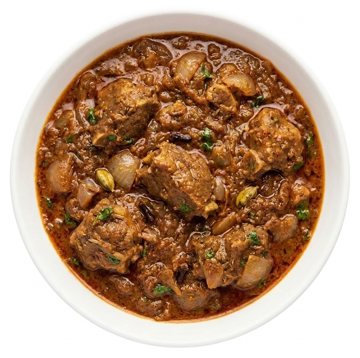
- Same: Do Pyaza shares lamb, onions, garam masala, chilli powder, coriander leaf and salt with this dish, and both build a curry around onions used in more than one way.
- Different: Do Pyaza uses yogurt as its souring agent and ghee or vegetable oil as fat, with clove, green cardamom and cumin seed, while it lacks this dish's green mango, curry leaf, mustard seed, dried red chilli, green chilli, garlic and sugar; it purees onion into the gravy and fries onion crisp rather than layering fried onions with tart mango.

- Same: Amras ki Boti also braises lamb in vegetable oil using onions, garlic, green chillies, chilli powder, and garam masala paired with mango.
- Different: Amras ki Boti enriches its sauce with yogurt, milk, almonds, and ginger, but uses far fewer onions and omits this dish's cumin, turmeric, curry leaves, and mustard seed tadka.