
Amras ki Boti
A fragrant, mildly sweet and savoury lamb curry where tender meat is simmered in a spiced sauce, then enriched with a velvety yogurt and mango gravy.
Chilli paste spices
2.6 gMixed with water and ground spices (step 1)Ginger and garlic pastes
13 gAdded to the browned onions (step 2)Sauce garam masala
0.7 gStirred into the yogurt and mango mixture (step 4)Everything else

Method
- In a small ramekin, mix 0.5 teaspoon ground turmeric, 0.5 teaspoon ground black pepper, the chilli paste spices, and 2 tablespoons of water into a paste.
- Warm 57 g of the vegetable oil in a large, heavy pan over medium heat. Fry 75 g of the sliced onion for about 7 minutes until deeply browned. Add the ginger and garlic pastes and saute for 2 to 3 minutes. Stir in the prepared chilli paste and 129 g milk, season with salt to taste, and simmer for 1 minute.
- Add 1000 g lamb to the pan and cook for roughly 10 minutes until the released juices evaporate. Pour in 500 ml hot water, cover, and gently simmer for 45 minutes until the meat is tender.
- Heat the remaining 57 g vegetable oil in a separate large pan over medium heat. Fry the remaining 75 g sliced onion for 4 minutes until light brown. Stir in 507 g whisked plain yogurt until well incorporated, then fold in 4 g chopped coriander leaf, 36–48 g green chilli paste, 4 teaspoons ground almond, 3 tablespoons ground melon seeds, 250 g mango pulp, raisins to taste, and the sauce garam masala.
- Transfer the cooked lamb along with all its cooking liquor into the mango and yogurt sauce. Scatter 0.3 g saffron over the surface and simmer gently for 2 to 3 minutes before taking off the heat.
Don't have something?


 Ground ginger
Use 50% of the weight. Mimics turmeric's warm, earthy, rhizome background, but provides none of the golden-yellow colour.
 Saffron
Steep a tiny pinch (0.1 g per 2 g turmeric) in 2 tbsp warm water; use to match the rich golden hue. Contributes an aristocratic, honeyed floral flavour rather than earthy bitterness.


 Black peppercorn
Use the same weight and crush or grind as the recipe needs; whole peppercorn is the same spice.
 Ground black pepper
Use the same weight; add nearer the end if the recipe calls for whole pepper, as ground loses aroma faster.
 Ground white pepper
Use about 75–80% of the weight; it is milder and earthier, with less bite.


 Red chilli powder
Use 100% of the weight. Provides direct, sharp heat and red colour in equal measure.
 Kashmiri chilli powder
Use 150% to 200% of the weight if matching colour, but add a pinch of black pepper or hot chilli if you need equivalent fiery heat.
 Cayenne pepper
Use 75% to 100% of the weight. Offers a sharp, clean heat with slightly less earthy depth and less crimson colour.


 Peanut oil
Use 1:1 by weight. Handles high-heat frying identically and introduces a very subtle, pleasant nuttiness.
 Ghee
Use 1:1 by weight. Yields a much richer, authentic aroma and a glossy, heavier mouthfeel.
 Mustard oil
Use 1:1 by weight. Heat until smoking, then cool slightly before cooking to temper its intensely pungent, sharp mustard kick.






 Fresh ginger
Use equal weight; peel and grate very finely on a microplane or pound to a fine paste in a mortar.
 Ginger
Use equal weight; mince finely and crush with the flat of a knife before frying.
- Ground ginger
Use 20% of the weight; add directly with the dry spice powders, though it yields an earthier, less pungent profile.


 Garlic
Use equal weight; crush or finely grate to a smooth pulp to replicate the same fresh, pungent moisture in your base gravy.
 Garlic powder
Use 20 to 25% of the weight; mix with a teaspoon of water before adding to oil so it does not burn, noting it lacks the fresh bite.


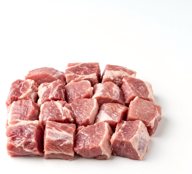


 Whole milk
Use equal weight; provides the standard rich dairy fat and body expected in creamy Indian bases.
 Single cream
Dilute 3 parts cream with 1 part water to match the weight; yields a richer, glossier gravy that resists curdling.
 Plain yogurt
Whisk thoroughly and use equal weight; adds extra body and a mild pleasant acidity, best added off the heat.

 Yogurt
Use equal weight, whisked thoroughly until smooth before adding to hot dishes to prevent curdling.
 Coconut milk
Use equal weight with 1 teaspoon lemon juice mixed in. Provides rich creaminess in curries, but adds a noticeable coconut flavour.
- Single cream
Use 80% of the weight plus a squeeze of lemon juice for acidity. Enriches sauces nicely, though it is richer and less tangy.


- Chilli powder
Use 10 to 15% of the weight (about 1/4 teaspoon per chilli); imparts dry pungent heat and reddens the dish without the grassy crunch.
 Dried red chilli
Use 1 dried pod per fresh green chilli; snap in half and temper in hot oil for a deeper, toastier heat.


 Cashew nut
Use equal weight. Soak in warm water and grind to a paste or fry identically; yields a slightly creamier and sweeter sauce.
 Shelled peanut
Use equal weight. Lightly roast, skin, and grind; introduces a heavier body and a pronounced roasted-nut aroma.


- Cashew nut
Use 80% of the weight, soaked in hot water 20 minutes and ground to a paste. Sweeter and richer; reduce added cream or nuts.
- Almond
Use the same weight, blanched and ground. Slightly more textured and nuttier; soak if making a paste.
 Peanut
Use the same weight, roasted and ground. Stronger flavour; use only where peanuts are welcome.


 Ripe mango
Same weight of peeled, stoned flesh, blended smooth; add 10–20 g sugar if the fruit is not fully ripe.
 Canned pineapple
Same weight, blended with 20 g sugar; fine in lassi and drinks only — the flavour is clearly different, so not for mango desserts.


 Dried plum
Use equal weight, pitted and finely chopped. Lends a deeper, slightly more tart sweetness to curries and rice dishes.
- Cashew nut
Use equal weight. Fry lightly in ghee until golden; substitutes the burst of sweetness with a rich, buttery crunch.
 Jaggery
Use 30% of the weight, finely grated. Dissolve straight into the sauce to match the intended sweetness, though without the fruity chew.


 Ground cumin
Use 50% of the weight mixed with equal parts ground coriander and a pinch of ground cinnamon, ground cloves, and ground green cardamom. Sprinkle near the end for a warming finish.
 Lentil stew spice mix
Use 75% of the weight. Simmer briefly in the gravy; imparts roasted warmth and complexity, though it adds a slight tang and earthy lentil undertone.


 Saffron powder
Use the same weight; it disperses faster, so no steeping is needed. Add directly to warm milk or oil.
- Ground turmeric
Use a tiny pinch for colour only, about 1 g for 0.2 g saffron. It will not give saffron flavour.
 Screwpine water or rosewater
Use 1 tsp for a floral scent only. It does not replace saffron's colour or taste.


Similar dishes
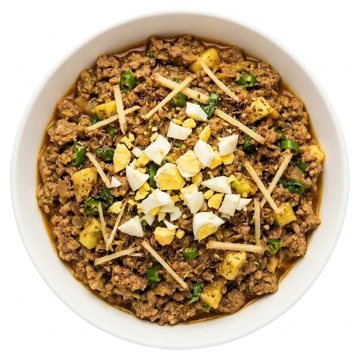
- Same: Both dishes feature lamb cooked with onions, ginger, garlic, green chillies, chilli powder, and mango.
- Different: Achras uses minced lamb instead of whole cuts and seasons it with ground coriander, turmeric, cloves, black cardamom, and mint, while omitting the yogurt, milk, almonds, and garam masala used in this dish.

- Same: Masaledar Mutton shares with this dish lamb simmered in a spiced onion, ginger, garlic and green chilli sauce with turmeric, chilli powder and garam masala.
- Different: Masaledar Mutton uses ghee plus vegetable oil and tomato as its main sauce and souring agent, with bay leaf, cumin and ground coriander, while this dish uses vegetable oil only and adds yogurt, mango pulp, milk, almond, melon seeds, raisins and saffron.

- Same: Rarha Meat and this dish both braise lamb with yogurt, onion, ginger-garlic paste, turmeric, chilli powder, garam masala and coriander.
- Different: Rarha Meat uses ghee or oil, whole cinnamon, black cardamom and bay leaf plus tomato, and it lacks this dish's mango pulp, milk, almonds, melon seeds, raisins, saffron and green chilli; it is slow pot-roasted until the gravy thickens, while this dish is simmered and enriched with a mango-yogurt gravy.

- Same: Qorma Asafjahi also simmers meat in a thick yogurt sauce seasoned with onions, ginger, garlic, chilli powder, and garam masala.
- Different: It is cooked in ghee rather than vegetable oil, uses twice as many onions, and adds saffron, sugar, and raisins while omitting this dish's milk and green chillies.