Indian cooking
Indian cooking / Dishes / Clove-Smoked Wood Pigeon with Chanterelles & Peas
Clove-Smoked Wood Pigeon with Chanterelles & Peas ()

Clove-Smoked Wood Pigeon with Chanterelles & Peas

Non-vegetarian

A grilled wood pigeon breast dish with a clove-forward spice marinade, a rich onion-tomato and pea masala, and buttery chanterelles; the pumpkin chutney adds a tangy contrast.

Pigeon spice mix

18 gToasted and ground before going into the marinade (steps 4–5)
01
6 g1 tablespoon
spice
02
9 g1 tablespoon
spice
03
3.2 g½ tablespoon
spice
Toast until aromatic, then grind to a fine powder.

Marinade spices

68 gMixed with oil and salt for the pigeon marinade (step 6)
Stir with the oil and salt to make the marinade.

Whole spices for stock

4.6 gFried in the stock oil (step 7)
01
1.1 g½ teaspoon
spice
02
2.9 g1 teaspoon
spice
03
0.6 g3 leaves
spice
Keep whole; add to the hot oil together.

Cumin for onion masala

2.1 gAdded to hot oil at the start of the onion and tomato masala (step 11)
01
2.1 g1 teaspoon
spice
Keep whole; fry in the oil until aromatic.

Ginger-garlic paste for onion masala

30 gStirred into the onions before the tomato (step 13)
Stir in and cook briefly before adding the tomato.

Everything else

01
1600 g4 birds
poultry
03
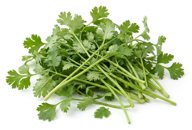
Coriander · Dhaniafresh, chopped, to serve
~30 g1 handful
herb
04
27–40 g2–3 tablespoons
oil/fat
05
~0.3 g1 pinch
salt
06
27 g2 tablespoons
oil/fat
07
Carrot · Gajarroughly chopped
60 g1 carrot
vegetable
08
Onion · Pyazfinely chopped
300 g2 onions
vegetable
09
Celeryroughly chopped
to taste
vegetable
10
3 g1 clove
aromatic
11
99 g100 ml
liquid
12
54 g4 tablespoons
oil/fat
13
300 g2 onions
vegetable
14
400 g
vegetable
15
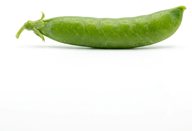
Pea · Matarfresh podded
150 g
vegetable
16
75 g
dairy
17
250 g
vegetable

Method

  1. Heat the oven to 180°C (350°F/Gas 4).
  2. Remove the breasts from 1600 g wood pigeon and set them aside.
  3. Roast the pigeon carcasses at 180°C (350°F/Gas 4) for about 40 minutes, until browned; set aside.
  4. Toast 6.3 g cumin seed, 8.7 g black peppercorn and 3.2 g clove in a dry frying pan for a few minutes, shaking often, until aromatic.
  5. Grind the toasted pigeon spice mix to a fine powder.
  6. In a bowl, mix 27–40.5 g vegetable oil, 60 g ginger garlic paste, 7.8 g kashmiri chilli powder and 0.3 g sea salt with the pigeon spice mix. Coat the breasts in this marinade and set aside.
  7. Heat 27 g vegetable oil in a heavy saucepan. Add 1.1 g clove, 2.9 g black peppercorn and 0.6 g indian bay leaf; fry for 30 seconds.
  8. Add 60 g carrot, 300 g onion, celery to taste and 3 g garlic; cook over medium-high heat for 10 minutes, stirring, until caramelised.
  9. Pour in 99.4 g white wine and stir; add the reserved carcasses. Add water to cover, bring to the boil, then cover and simmer for at least 2 hours.
  10. Strain the stock through a fine sieve; boil the liquid until reduced by half.
  11. Heat 54 g vegetable oil in a small pan; add 2.1 g cumin seed and cook for 1 minute.
  12. Add 300 g brown onion; fry for 15–20 minutes until caramelised.
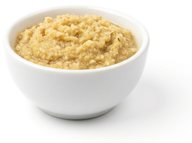
  13. Stir in 30 g ginger garlic paste for a few seconds; add 400 g tomato purée and cook for 10–15 minutes until thick.
  14. Add 150 g pea, stir, and take off the heat.
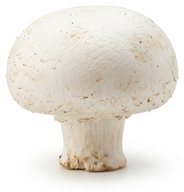
  15. Melt 75 g butter with an equal amount of water in a frying pan; add 250 g chanterelle mushroom and cook for 3–4 minutes.
  16. Add the mushrooms to the onion and tomato masala with a little stock; season with salt.
  17. Grill the marinated breasts under a hot grill for 2 minutes each side; rest for 4 minutes. They should be rare to medium-rare.
  18. Reheat the masala; spoon onto plates. Top with the breasts; serve with 150 g pumpkin chutney and 30 g coriander.

Don't have something?

Wood pigeon
  • Chicken

    Use the same weight of boneless or bone-in chicken. It is much less gamey, so add a little extra garam masala or black pepper; cook 10–15 minutes less than pigeon.

  • Duck

    Use about 75–80% of the weight because duck is fattier and richer. Skim excess fat and cook 10 minutes less; it gives a gamey note closer to pigeon.

  • Guinea fowl

    Use the same weight, cut into pieces. It is firmer and less dark than pigeon; braise 10–15 minutes longer until tender.

Pumpkin chutney
  • Pumpkin or butternut squash

    Use the same weight and cook it down with sugar, vinegar and the same spices to make the chutney. It takes 20–30 minutes and gives the closest flavour.

  • Mango chutney

    Use the same weight. It is sweeter and fruitier, so add a little vinegar or lemon juice to sharpen it.

  • Pumpkin or ash gourd

    Use the same weight. Ash gourd is blander and more watery, so drain well and reduce it longer with the spices.

Coriander
  • Coriander leaf

    Use equal weight, chopped fresh and stirred in off the heat or used as garnish. Matches the citrus-herbal profile identically.

  • Mint

    Use 40% to 50% of the weight; chop finely and add at the very end. Adds fresh herbal brightness, but shifts the aroma toward cool menthol.

Cumin seed
  • Ground cumin

    Use 70% of the weight; add with ground spices or sauce bases rather than hot oil tempering, where it scorches quickly and turns bitter.

  • Black cumin seeds

    Use equal weight for oil tempering. Delivers an earthy profile with an additional musky, smoky, and slightly bitter edge.

  • Fennel seed

    Use 60% of the weight for tempering; offers comparable warm aroma, but leans sweet and liquorice-like rather than savoury and earthy.

Black peppercorn
  • Coarsely ground black pepper

    Use 75% of the weight. Add midway through simmering; spreads heat evenly through the dish instead of delivering isolated bursts.

  • Ground black pepper

    Use 50% of the weight. Stir in near the end of cooking; significantly darkens light gravies and provides an immediate, sharp bite.

Clove
  • Ground cloves

    Use 1 g ground for 4 g whole (or 1 small pinch per 2 to 3 whole cloves). Add with spice powders; disperses intense warmth quickly, so use with restraint.

  • Allspice berries

    Use 100% of the weight whole in tempering. Imparts a warm, clove-like aromatic profile combined with hints of nutmeg and cinnamon.

  • Black cardamom pod

    Use 1 pod for 3 to 4 cloves in whole tempering. Shares a camphor-like warmth and medicinal depth, though it introduces a distinct smoky undertone.

Vegetable oil
  • Peanut oil

    Use 1:1 by weight. Handles high-heat frying identically and introduces a very subtle, pleasant nuttiness.

  • Ghee

    Use 1:1 by weight. Yields a much richer, authentic aroma and a glossy, heavier mouthfeel.

  • Mustard oil

    Use 1:1 by weight. Heat until smoking, then cool slightly before cooking to temper its intensely pungent, sharp mustard kick.

Ginger garlic paste
  • Ginger and garlic paste

    Use the same weight; the difference is only the order of the names.

  • Garlic paste

    Mix with an equal weight of ginger paste and use the same total weight.

  • Garlic

    For 20 g paste use about 10 g crushed garlic and 10 g grated ginger root with a splash of water. Add a little extra water if the dish looks dry.

Kashmiri chilli powder
  • Dried kashmiri chilli

    Grind deseeded dried pods to an equal weight of powder; gives identical vivid red colour and gentle warmth.

  • Red chilli powder

    Use 25% of the weight mixed with sweet paprika for colour; straight red chilli powder is substantially hotter and will make the dish fiery.

  • Chilli powder

    Use one-third of the weight; the sauce will be less intensely red and notably sharper in heat.

Indian bay leaf
  • Bay leaf

    Use the same number or weight. Ordinary bay is milder and lacks the cinnamon-clove note; add early and remove before serving.

  • Cassia bark (Chinese cinnamon)

    Use about 1 g cassia for every 2 g Indian bay leaf. It gives a warm cinnamon note but not a true laurel flavour; remove before serving.

  • Cinnamon stick

    Use a small 1 cm piece for 2 leaves. It adds warm sweetness but not bay flavour; remove before serving.

Carrot
  • Turnip

    Use the same weight; peel and cut as for carrot. It is less sweet and slightly peppery, so add a pinch of sugar and expect a softer, more earthy result.

  • Potato

    Use the same weight; cut into similar pieces and add 5–10 minutes' extra cooking. It gives bulk but no carrot sweetness or colour.

  • Courgette

    Use the same weight; cut a little larger and add near the end. It releases water, so reduce other liquid slightly and expect a softer texture.

Onion
  • Shallot

    Use equal weight, finely sliced. Shallots soften and brown faster, giving a slightly sweeter and more delicate base to curries.

  • Cabbage

    Use 80% of the weight, finely shredded and browned slowly with a pinch of asafoetida. Replicates the bulk and natural sweetness in gravies without allium.

Celery
  • Spring onion

    Use the same weight; slice the white and green parts and add a little later. It gives a milder oniony crunch rather than celery's bitter edge.

  • Coriander (cilantro) stem

    Use the same weight; chop finely and add as an aromatic. It gives a green, fresh note but no crunch.

  • Cabbage

    Use the same weight; cut into thin strips and cook 2–3 minutes less. It provides crunch but is bland, so add a pinch of salt and a squeeze of lime.

Garlic
  • Garlic paste

    Use equal weight. Fry gently in oil or ghee with the ginger; incorporates smoothly into curries without visible minced bits.

  • Garlic powder

    Use 15% to 20% of the weight (about 1 g for every 5 to 6 g fresh cloves). Whisk into sauces; gives a savoury, toasted garlic flavour without raw pungency.

  • Shallot

    Use 1.5 times the weight, very finely minced. Sauté until golden; provides savoury allium sweetness, though it lacks garlic's pungent sulphur bite.

White wine
  • Dry white wine

    Use the same weight; it is the direct match, with the same acidity and alcohol to cook off.

  • White wine vinegar

    Use 30–40% of the weight, topped up with water or stock; it is much sharper, so add gradually and taste.

  • Vegetable stock

    Use the same weight with a squeeze of lemon juice; it lacks wine's acidity, so taste and add lemon at the end.

Tomato
  • Tomato purée

    Use 40% to 50% of the fresh tomato weight mixed with a splash of water. Imparts a deeper red colour, thicker sauce, and slightly sweeter cooked flavour.


  • Plain yogurt

    Use 60% of the weight, whisked smooth and added on low heat. Provides rich body and sourness, though the gravy becomes paler and creamier.

Pea
  • Green pea

    Use equal weight directly from fresh or frozen. Toss into the pan near the end of cooking to preserve sweetness and bright green colour.

  • Chana dal

    Use 70% of the weight, boiled until tender but holding shape. Adds pleasant body and starch, though it lacks the juicy sweetness of fresh peas.

Butter
  • Unsalted butter

    Use 100% of the weight. If the original recipe relies on salted table butter, add a pinch of salt to balance.

  • Ghee

    Use 80% to 85% of the weight. Ghee is pure butterfat with moisture removed; it yields a deeper, nuttier flavour and handles high heat better.

  • Vegetable oil

    Use 80% of the weight for frying or tempering. The dish loses sweet dairy richness but remains glossy and light.

Chanterelle mushroom
  • Button mushroom

    Use the same weight, sliced. Cook 2–3 minutes longer; button mushrooms are firmer and less fruity, so the dish will be meatier and less delicate.

  • Mushroom

    Use the same weight of any fresh mushroom, sliced. Cook as directed but check tenderness; denser mushrooms need a little longer.

  • Morel mushroom

    Use the same weight after soaking if dried. Morels are stronger and earthier; use 70–80% of the weight if you want a subtler result.

Similar dishes

Batani Kaal Kari
Creamy Mushroom and Peas
Batani Kaal Kari tastes creamy, mildly sweet and aromatic from coconut and cashew, while this dish tastes clove-forward, smoky and tangy from the pumpkin chutney.
  • Same: Batani Kaal Kari shares onion, tomato, peas, cumin seed, Kashmiri chilli powder, coriander and vegetable oil with this dish.
  • Different: Batani Kaal Kari uses a coconut-cashew gravy with mustard seed, fenugreek, turmeric, curry leaf and sugar, while this dish uses clove and black peppercorn marinade, grilled wood pigeon, butter, white wine, chanterelles and pumpkin chutney.
Khumb Matar Malai
Creamy Mushroom & Green Pea Curry
Khumb Matar Malai tastes mild, creamy and gently tangy from yoghurt and cashew, whereas this dish is smoky, gamey and sharply tangy from the pumpkin chutney.
  • Same: Khumb Matar Malai shares with this dish the use of clove, Kashmiri chilli powder, onion, ginger, garlic, green peas, coriander and vegetable oil.
  • Different: Khumb Matar Malai is a creamy curry made with cashew paste, Greek yoghurt, whole milk and button mushrooms, while this dish uses grilled wood pigeon, chanterelles, pumpkin chutney, white wine and a clove-smoked marinade.
Batani Kadala Kari
Pea & Mushroom Curry
Batani Kadala Kari tastes coconut-rich and tempered with curry leaves and lentils, with sweet peas and earthy mushrooms, while this dish is clove-smoked and buttery with a tangy pumpkin chutney.
  • Same: Batani Kadala Kari shares peas, onion, tomato, ginger-garlic paste, cumin and chilli powder with this dish.
  • Different: Batani Kadala Kari uses groundnut oil and adds coconut, cashew, urad dal, mustard seed, fenugreek, turmeric and curry leaves; it lacks pigeon, chanterelles, butter, clove, wine and pumpkin chutney, and it is a tempered South Indian curry rather than a grilled pigeon plate with a separate masala.
Chanterelles in Malai Sauce with Fresh Peas & Pea Shoots
It tastes rich and creamy from cashew, cream and butter, with gentle green-chilli heat and tang from green mango and lemon, while this dish is clove-forward and smoky with a tangy pumpkin chutney and onion-tomato masala.
  • Same: It shares chanterelles, fresh peas, brown onion, ginger garlic paste, vegetable oil and sea salt with this dish.
  • Different: It has no wood pigeon, clove-smoked grilled breast, tomato, cumin, black peppercorn, clove, Kashmiri chilli, bay leaf, white wine, carrot or celery, and instead uses cashew nut, water, green chilli, garam masala, green mango, fenugreek leaves, double cream, unsalted butter, lemon juice and pea shoots in a creamy malai sauce.