Indian cooking
Indian cooking / Dishes / Batani Kadala Kari
Batani Kadala Kari (Pea & Mushroom Curry)

Batani Kadala Kari

Pea & Mushroom Curry
Vegetarian●●●Origin KeralaPrep 20 minutesCook 20–25 minutes

A fragrant South Indian curry featuring sweet green peas and earthy mushrooms simmered in a spiced tomato-coconut sauce tempered with lentils and curry leaves.

Whole spices

11 gFried with the urad dal at the start of the sauce (step 3)
01
4.2 g2 teaspoons
spice
02
3.3 g1 teaspoon
spice
03
3.7 g1 teaspoon
spice
Leave whole; they will crackle in the hot oil.

Ginger-garlic paste

42 gStirred into the softened onions (step 4)
Mix together into a uniform paste.

Ground spices

9 gAdded to the pan before the tomatoes (step 4)
01
2.6 g1 teaspoon
spice
02
3.6 g2 teaspoons
spice
03
3 g1 teaspoon
spice
Stir together until evenly blended.

Everything else

01
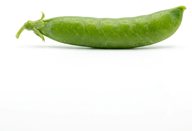
Pea · Matarshelled if fresh
750 g
vegetable
03
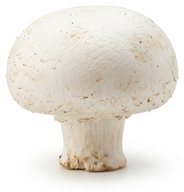
Mushroomstalks removed
750 g
vegetable
04
Black gram · Urad Dalrinsed and drained
26 g2 tablespoons
legume
05
125 g
vegetable
06
250 g
vegetable
08
30 g
nut/seed
09
5 g20 leaves
herb
10
to taste
salt
11
~1 g1 sprig
herb

Method

  1. Simmer 750 g pea in lightly salted boiling water for 5 to 7 minutes until tender, then drain and set aside.
  2. Warm about 45 g of the 150 g oil in a heavy pan over medium heat, tip in 750 g mushrooms, and stir-fry for 4 to 5 minutes before setting aside on a plate.
  3. Heat the remaining oil in a separate large skillet over medium heat. Tip in the whole spices alongside 25.8 g urad dal and fry for roughly 1 minute until the seeds crackle and pop.
  4. Stir in 125 g onion and fry for about 5 minutes until turning pale brown. Add the ginger-garlic paste and cook for 1 to 2 minutes until no moisture remains, then stir in the ground spices and salt to taste. Add 250 g tomato and fry for roughly 5 minutes until oil begins to separate from the sauce.
  5. Turn the heat down to low, mix in 60 g fresh coconut, 30 g cashew nuts, and 5 g curry leaf, and stir for 1 minute. Pour in 500 ml water and bring everything up to a boil.
  6. Add the reserved peas and mushrooms, lower the heat, and simmer gently for 5 minutes. Adjust the salt to taste, scatter over 1 g coriander leaf, and remove from the heat.

Don't have something?

Pea
  • Green pea

    Use equal weight directly from fresh or frozen. Toss into the pan near the end of cooking to preserve sweetness and bright green colour.

  • Chana dal

    Use 70% of the weight, boiled until tender but holding shape. Adds pleasant body and starch, though it lacks the juicy sweetness of fresh peas.

Groundnut oil
  • Peanut oil

    Use the same weight; this is effectively the same oil.

  • Vegetable oil

    Use the same weight. Neutral and less nutty; good for high heat.

  • Corn or vegetable oil

    Use the same weight. Neutral; the dish loses the faint peanut aroma.

Mushroom
  • Button mushroom

    Use the same weight, wipe and slice; cook 5-7 minutes. They release water, so reduce the sauce if needed.

  • Fresh mushroom

    Use the same weight; treat as button mushrooms, slicing thickly so they do not collapse.

  • Dried morel

    Use 20-30 g dried for 100 g fresh; soak 20 minutes, rinse well and use the soaking liquid. The flavour is much earthier.

Cumin seed
  • Ground cumin

    Use 70% of the weight; add with ground spices or sauce bases rather than hot oil tempering, where it scorches quickly and turns bitter.

  • Black cumin seeds

    Use equal weight for oil tempering. Delivers an earthy profile with an additional musky, smoky, and slightly bitter edge.

  • Fennel seed

    Use 60% of the weight for tempering; offers comparable warm aroma, but leans sweet and liquorice-like rather than savoury and earthy.

Mustard seed
  • Black mustard seed

    Use the same weight. The seeds are smaller and hotter; fry in hot oil until they pop, about 20–30 seconds, and reduce the heat if they darken too fast. The dish will be a little sharper.

  • Yellow mustard seeds

    Use the same weight. They are milder and larger; fry a few seconds longer until they pop. The finished dish will have less pungency.

  • Ground mustard seed

    Use 70% of the weight of whole seed, added with the other ground spices rather than fried whole. You lose the popping texture and the heat comes through more evenly.

Fenugreek seed
  • Mustard seed

    Use 50% of the weight, crush or grind. Sharper heat and less maple-bitter; fry briefly in oil before adding.

  • Caraway seeds

    Use the same weight, crush lightly. Similar bitter-seed note but more aniseed; reduce other sweet spices slightly.

  • Ajwain seeds

    Use 25–30% of the weight, crush. Much stronger thyme-like flavour; do not overdo.

Urad dal
  • Whole black gram

    Use equal weight. Needs longer soaking and cooking; the dark skins impart an earthy flavour and greyish-black hue unless thoroughly rubbed off.

  • Chana dal

    Use equal weight when tempering (tadka). Provides a comparable nutty, crunchy texture in hot oil, though grains are slightly larger.

  • Split mung beans

    Use equal weight for batters or dals. Ferments and cooks faster, producing a lighter, less sticky, and less viscous consistency.

Onion
  • Shallot

    Use equal weight, finely sliced. Shallots soften and brown faster, giving a slightly sweeter and more delicate base to curries.

  • Cabbage

    Use 80% of the weight, finely shredded and browned slowly with a pinch of asafoetida. Replicates the bulk and natural sweetness in gravies without allium.

Ginger paste
  • Fresh ginger

    Use equal weight; peel and grate very finely on a microplane or pound to a fine paste in a mortar.

  • Ginger

    Use equal weight; mince finely and crush with the flat of a knife before frying.

  • Ground ginger

    Use 20% of the weight; add directly with the dry spice powders, though it yields an earthier, less pungent profile.

Garlic paste
  • Garlic

    Use equal weight; crush or finely grate to a smooth pulp to replicate the same fresh, pungent moisture in your base gravy.

  • Garlic powder

    Use 20 to 25% of the weight; mix with a teaspoon of water before adding to oil so it does not burn, noting it lacks the fresh bite.

Chilli powder
  • Red chilli powder

    Use 100% of the weight. Provides direct, sharp heat and red colour in equal measure.

  • Kashmiri chilli powder

    Use 150% to 200% of the weight if matching colour, but add a pinch of black pepper or hot chilli if you need equivalent fiery heat.

  • Cayenne pepper

    Use 75% to 100% of the weight. Offers a sharp, clean heat with slightly less earthy depth and less crimson colour.

Ground coriander
  • Coriander seeds

    Dry-roast lightly in a pan and grind to a fine powder; use equal weight (1:1). Offers a noticeably fresher, brighter citrus note.

  • Ground cumin

    Use 50% to 75% of the weight. Lacks the floral, citrusy profile of coriander and turns the gravy heavier, earthier, and darker.

  • Garam masala

    Use 50% of the weight and stir in near the end of cooking. Adds warmth and depth since it contains ground coriander, but introduces stronger spices like clove and cinnamon.

Ground turmeric
  • Ground ginger

    Use 50% of the weight. Mimics turmeric's warm, earthy, rhizome background, but provides none of the golden-yellow colour.

  • Saffron

    Steep a tiny pinch (0.1 g per 2 g turmeric) in 2 tbsp warm water; use to match the rich golden hue. Contributes an aristocratic, honeyed floral flavour rather than earthy bitterness.

Tomato
  • Tomato purée

    Use 40% to 50% of the fresh tomato weight mixed with a splash of water. Imparts a deeper red colour, thicker sauce, and slightly sweeter cooked flavour.

  • Plain yogurt

    Use 60% of the weight, whisked smooth and added on low heat. Provides rich body and sourness, though the gravy becomes paler and creamier.

Fresh coconut
  • Desiccated coconut

    Use 50% to 60% of the weight, soaked in equal parts warm water for 15 minutes before grinding. Works well for chutneys, though texture is slightly finer and sweeter.

  • Coconut milk

    Use 1.2 times the weight in curries. Adds creamy richness and authentic flavour, but makes gravies smoother and eliminates the grated, chewy mouthfeel.


Cashew nut
  • Almond

    Use 100% of the weight. Soak in boiling water and slip off skins before frying or grinding; gives a lighter, slightly less sweet richness to curries.

  • Poppy seed

    Use 60% of the weight for gravies. Soak in warm water and grind into a fine paste to thicken royal kormas without adding heavy oiliness.

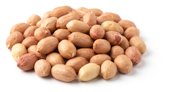
  • Shelled peanut

    Use 100% of the weight. Roast, skin, and grind; creates a thicker, earthier texture typical of Maharashtrian and western Indian curries.

Curry leaf
  • Bay leaf

    Fry 1 bay leaf for every 5 curry leaves in hot oil; imparts a warm, woodsy background note, but misses the citrus-sulphury punch entirely.

  • Lime juice

    Add a small squeeze (about 5 ml per sprig of curry leaves) right before serving; provides sharp citrus top notes without the toasty, herbal aroma.

Coriander leaf
  • Coriander

    Use equal weight finely chopped; this is the exact same fresh herb.

  • Mint

    Use half the weight finely chopped; provides vibrant green freshness, though the flavour profile becomes noticeably cooler and sharper.

Similar dishes

Batani Kaal Kari
Creamy Mushroom and Peas
Batani Kaal Kari tastes milder and sweeter from sugar and Kashmiri chilli, with a looser coconut-cashew gravy, while this dish is more savoury from urad dal and has more peas and mushrooms.
  • Same: Batani Kaal Kari shares peas, mushrooms, onion, tomato, coconut, cashew, curry leaves, cumin, mustard, fenugreek, turmeric, coriander and chilli with this dish.
  • Different: Batani Kaal Kari uses far less pea and mushroom, vegetable oil instead of groundnut oil, no urad dal, fresh ginger and garlic instead of pastes, Kashmiri chilli powder, added water and sugar.
Kaju Khumb Makhane
Mushrooms with Cashew Nuts
It tastes richer and tangier from the ghee and yogurt, lacking the sweet coconut undertone and aromatic herbal bite of this dish's curry leaves.
  • Same: Kaju Khumb Makhane shares a base of mushrooms, onions, and tomatoes seasoned with ginger, garlic, cumin, chilli powder, and coriander.
  • Different: Instead of this dish's peas, coconut, and South Indian tempering of mustard seeds, urad dal, and curry leaves, it uses cashews, makhana, nigella seeds, ghee, and yogurt.
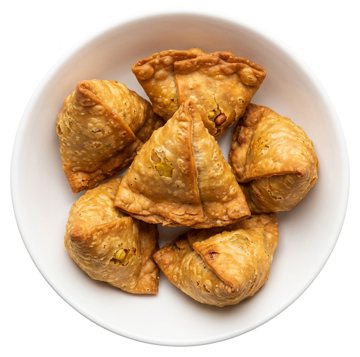
Singhara
Bengali Samosas
Singhara is savory, dry-spiced, and encased in crisp pastry, whereas this dish is saucy, nutty from coconut, and tangier from tomatoes.
  • Same: Singhara shares ingredients like peas, onion, ginger, garlic, turmeric, chilli powder, and ground coriander with this dish.
  • Different: Singhara is a deep-fried, pastry-wrapped snack centered on potatoes rather than a simmered curry, omitting this dish's fresh coconut, tomatoes, mustard seeds, fenugreek, urad dal, and curry leaves.
Aloo Matar Sookhe
Potatoes with Peas
Aloo Matar Sookhe tastes earthy and savoury from potato with turmeric and a gentle green-chilli heat, while this dish is a fragrant tomato-coconut curry with sweet peas, mushrooms and a lentil-curry-leaf tempering.
  • Same: Aloo Matar Sookhe shares green peas, tomato, cumin seed, mustard seed, turmeric and coriander leaf with this dish.
  • Different: Aloo Matar Sookhe is a dry sabzi built on 2400 g potato and only 350 g peas, uses ghee or vegetable oil and green chilli, and lacks mushroom, coconut, cashew, groundnut oil, urad dal, fenugreek, curry leaf, ginger paste and garlic paste.