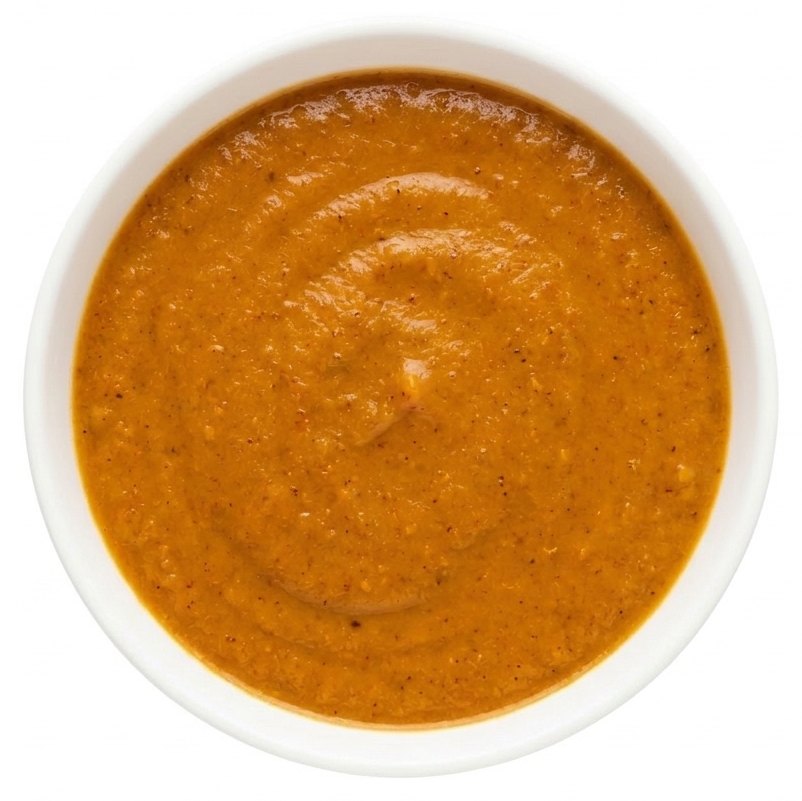
Pumpkin Chutney
A smooth roasted pumpkin chutney with a warm ground-spice base and a mustard-seed tempering. It tastes sweet, earthy and lightly spicy.
Ground spices for the pumpkin
7 gStirred into the oil before roasting (step 2)Tempering spices
9 gFried in the oil for the tempering (step 5)Everything else

Method
- Heat the oven to 160°C (320°F).
- Stir the ground-spice masala (1.5 g ground turmeric, 2.6 g kashmiri chilli powder, 2.6 g ground cumin) into 91.3 g vegetable oil in a roasting tin.
- Add 300 g pumpkin and turn it to coat. Roast for about 20 minutes, until tender.
- Let the pumpkin cool, then purée it in a food processor until smooth.
- Heat 1 tbsp vegetable oil in a small pan. Add 3.5 g black mustard seed and fry until it splutters. Add the rest of the tempering masala (2.1 g cumin seed, 3 g dried kashmiri chilli) and 2.5 g curry leaf, then take the pan off the heat.
- Pour the pan oil through a sieve over the pumpkin purée and discard the solids. Add sea salt to taste and stir.
Don't have something?


 Peanut oil
Use 1:1 by weight. Handles high-heat frying identically and introduces a very subtle, pleasant nuttiness.
 Ghee
Use 1:1 by weight. Yields a much richer, authentic aroma and a glossy, heavier mouthfeel.
 Mustard oil
Use 1:1 by weight. Heat until smoking, then cool slightly before cooking to temper its intensely pungent, sharp mustard kick.


 Ground ginger
Use 50% of the weight. Mimics turmeric's warm, earthy, rhizome background, but provides none of the golden-yellow colour.
 Saffron
Steep a tiny pinch (0.1 g per 2 g turmeric) in 2 tbsp warm water; use to match the rich golden hue. Contributes an aristocratic, honeyed floral flavour rather than earthy bitterness.


 Dried kashmiri chilli
Grind deseeded dried pods to an equal weight of powder; gives identical vivid red colour and gentle warmth.
 Red chilli powder
Use 25% of the weight mixed with sweet paprika for colour; straight red chilli powder is substantially hotter and will make the dish fiery.
 Chilli powder
Use one-third of the weight; the sauce will be less intensely red and notably sharper in heat.


 Cumin seed
Dry-roast briefly and grind finely; use equal weight (1:1). Imparts an even punchier, nuttier, toasty aroma than pre-ground cumin.
 Ground coriander
Use equal weight (1:1). Adds mild, lemony sweetness rather than cumin's smoky, earthy bite; curries will taste lighter and less savoury.
 Black cumin seeds
Grind finely; use 60% to 75% of the weight. Produces a darker, more complex, smoky-herbal flavour suited to rich gravies.

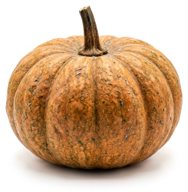
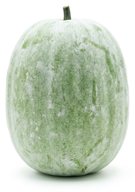 Ash gourd
Use the same weight; peel and cube. Firmer and less sweet, so cook 5–10 minutes longer and taste for sugar.
 Sweet potato
Use the same weight; peel and cube. Sweeter and starchier; reduce added sugar and cook until just tender.
 Courgette
Use the same weight; cut larger chunks. Watery and soft, so cook 5 minutes less and reduce liquid.


 Mustard seeds
Use equal weight. Pop in hot fat until they crackle and turn greyish; yields an almost identical nutty, pungent finish.
 Yellow mustard seeds
Use equal weight. Fry over medium heat; delivers a milder, sweeter pop and turns bitter quickly if the oil is excessively hot.


 Bay leaf
Fry 1 bay leaf for every 5 curry leaves in hot oil; imparts a warm, woodsy background note, but misses the citrus-sulphury punch entirely.
 Lime juice
Add a small squeeze (about 5 ml per sprig of curry leaves) right before serving; provides sharp citrus top notes without the toasty, herbal aroma.


- Ground cumin
Use 70% of the weight; add with ground spices or sauce bases rather than hot oil tempering, where it scorches quickly and turns bitter.
- Black cumin seeds
Use equal weight for oil tempering. Delivers an earthy profile with an additional musky, smoky, and slightly bitter edge.
 Fennel seed
Use 60% of the weight for tempering; offers comparable warm aroma, but leans sweet and liquorice-like rather than savoury and earthy.

- Kashmiri chilli powder
Use 1 g powder for every 1.5 g whole dried chilli; whisk with a spoonful of warm water and stir into the masala to provide identical ruby colour and mild heat.
 Dried red chilli
Use 35% to 40% of the weight; discard seeds before tearing into oil to temper. Delivers a much fiercer heat, with significantly less red colouring.

Similar dishes

- Same: Pumpkin Pickle shares pumpkin, vegetable oil, turmeric, Kashmiri chilli powder and dried Kashmiri chilli with this dish.
- Different: Pumpkin Pickle adds onion seed, white vinegar and jaggery or sugar, uses far more pumpkin, and is a jarred pickle rather than a smooth roasted chutney with mustard-seed tempering, curry leaf and cumin.

- Same: Kumhare ki Subzi shares pumpkin, vegetable oil, cumin seed, turmeric, chilli powder and salt with this dish.
- Different: Kumhare ki Subzi adds fenugreek, ground coriander, amchoor, green chilli, sugar and fresh coriander and uses more pumpkin, while it lacks this dish's black mustard seed, curry leaf, dried Kashmiri chilli and roasted smooth chutney style.

- Same: Sitaphal ki Subzi shares pumpkin, vegetable oil, mustard seed, turmeric, dried red chilli and salt with this dish.
- Different: Sitaphal ki Subzi adds jaggery, fresh coconut, rice flour and urad dal, while this dish uses ground cumin, cumin seed, curry leaf and Kashmiri chilli powder.

- Same: Goan Brinjal Pickle shares vegetable oil, Kashmiri chilli powder, black mustard seed, curry leaf, cumin seed and turmeric with this dish.
- Different: Goan Brinjal Pickle uses aubergine, garlic, jaggery and malt vinegar and is matured, while this dish uses roasted pumpkin and ground cumin and is blended smooth.