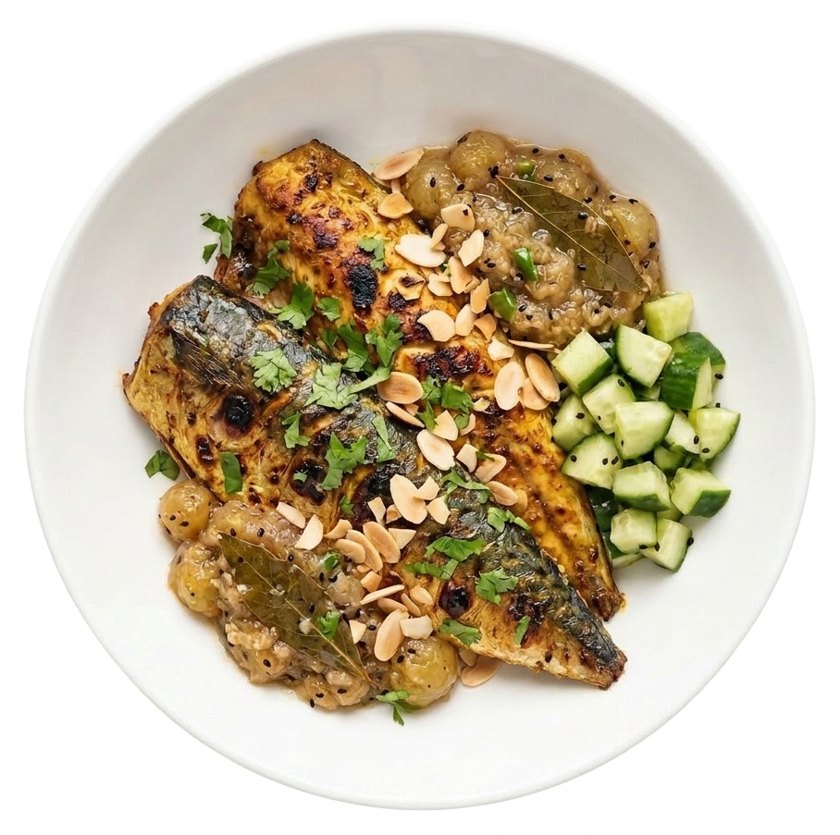
Torched Mackerel with Gooseberry Chutney
Torched mackerel fillets with a mustard-oil marinade, served with tart gooseberry chutney, roast almonds and quick-pickled cucumber. The fish is rich and smoky, balanced by sour, sweet and lightly spiced accompaniments.
Almond chilli coating
5 gSprinkled over the almonds before roasting (step 9)Almond chaat dust
0.3 gTossed with the roasted almonds (step 10)Chutney whole spices
3.5 gAdded to the hot oil with the chilli and gooseberries (step 5)Chutney turmeric
3 gAdded after the gooseberries have cooked for 5 minutes (step 6)Everything else

Method
- Put 200 g diced cucumber in a bowl with 199 g pickling liquor. Leave at room temperature for 1–2 hours, then refrigerate.
- Whisk 40.5 g mustard oil, 40.5 g vegetable oil, 45 g kasundi mustard, the ginger and 0.3 g sea salt in a bowl.
- Lay 400 g mackerel fillets on a baking tray. Spread the oil-mustard mixture over the flesh and leave for 30 minutes.
- For the chutney, heat 27 g vegetable oil in a large heavy-based saucepan over medium heat.
- Add the chutney whole spices, 12–18 g green chilli and 200 g gooseberry. Reduce the heat and cook for 5 minutes.
- Add the chutney turmeric, 100 g caster sugar and sea salt to taste. Cook until half the gooseberries have collapsed and half stay whole.
- Remove the chutney from the heat and let it cool.
- Heat the oven to 180°C (350°F).
- Spread 50 g flaked almonds on a baking tray. Dust with the almond chilli coating and shake the tray to coat.
- Roast the almonds until browned and fragrant. Take them out, toss with the almond chaat dust and leave to cool.
- Char the skin of the marinated mackerel with a blowtorch. The tray reflects heat so the fish cooks from below and stays slightly pink in the centre; a grill (broiler) can be used instead.
- Put the fish on plates, scatter over coriander leaf and serve with the gooseberry chutney, almonds and pickled cucumber.
Don't have something?


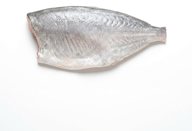 Pomfret or haddock fillet
Use the same weight. Pomfret is firmer and milder; haddock is leaner, so add a little oil if the recipe expects oily mackerel. Cook for about the same time.
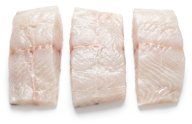 Firm white fish fillet
Use the same weight and cook 1–2 minutes less; it is less oily, so baste with oil or add a little coconut milk if the gravy needs richness.
 Whole mackerel
Use the same weight, cleaned and cut into steaks; allow a few extra minutes and watch for bones. The flavour is stronger and oilier.


 Peanut oil
Use equal weight. It handles high-heat cooking well, but lacks the signature pungent, nasal heat of mustard oil.
 Vegetable oil
Use equal weight. Neutral in flavour, so your curry will lack the characteristic Bengali or North Indian pungent punch.


- Peanut oil
Use 1:1 by weight. Handles high-heat frying identically and introduces a very subtle, pleasant nuttiness.
 Ghee
Use 1:1 by weight. Yields a much richer, authentic aroma and a glossy, heavier mouthfeel.
- Mustard oil
Use 1:1 by weight. Heat until smoking, then cool slightly before cooking to temper its intensely pungent, sharp mustard kick.


 Wholegrain mustard
Use the same weight, mashed smooth with a little lime juice; keeps mustard tang but lacks Bengali fermentation.
 English mustard
Use one-third of the weight, mixed with lime juice or water; much hotter, so taste as you go.
 Mustard powder
Use half the weight, mixed to a paste with water and a squeeze of lime juice; add late so the heat does not fade.


 Ginger paste
Use equal weight. Sauté in hot fat until the raw allium smell disappears; slightly wetter, but provides identical warmth and pungency.
 Ground ginger
Use 20% to 25% of the weight (1 g for every 4 to 5 g fresh). Stir into the gravy; adds peppery heat and warmth, though it misses the crisp, zesty kick of raw root.


 Slivered almond
Use the same weight and chop roughly; they are thicker, so toast 1–2 minutes longer and expect more crunch.
 Ground almond
Use the same weight when almonds are for thickening or binding; do not use as a garnish, as it will disappear into the dish.
 Blanched split almond
Use the same weight and slice thinly; similar colour and mild flavour, though less delicate than ready flaked almonds.


 Dried kashmiri chilli
Grind deseeded dried pods to an equal weight of powder; gives identical vivid red colour and gentle warmth.
 Red chilli powder
Use 25% of the weight mixed with sweet paprika for colour; straight red chilli powder is substantially hotter and will make the dish fiery.
 Chilli powder
Use one-third of the weight; the sauce will be less intensely red and notably sharper in heat.


 Tandoori snack spice mix
Use the same weight; taste first as it can be smokier and saltier. Add lime or amchoor if the dish needs more tang.
 Dried mango powder
Use about half the weight, mixed with black salt and a pinch of ground cumin. It gives tang and saltiness but lacks the minty, asafoetida notes.
 Black salt
Use about half the weight and add lime juice to taste. It gives the salty, sulphurous edge but not the full tangy blend.


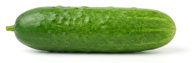
 Courgette
Use the same weight; peel if eating raw and salt-drain briefly. Softer and less watery.
 White radish
Use 70% of the weight, grate, salt and squeeze out water. Sharper and peppery.
 Chayote
Use the same weight, peeled and diced; crisp but bland, so adjust salt and lemon.


 White vinegar
Use 70% of the weight, make up the rest with water, and add a little granulated sugar if the liquor was sweet. Sharper and thinner.
 White wine vinegar
Use at 70% of the weight with water. Milder and fruitier than pickling liquor.
 Malt vinegar
Use at 60% of the weight with water; stronger and maltier, so reduce any other vinegar in the dish.


 Black cumin seeds
Use equal weight. Imparts an earthy, slightly bitter note in temperings, though it lacks nigella's oniony sharpness.
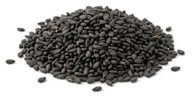 Black sesame seeds
Use equal weight. Gives a similar speckled appearance and light crunch on breads, but provides a nutty rather than herbaceous, onion-like flavour.


 Dried bay leaf
Use about half the weight, or 1 dried leaf for 2 fresh; it is stronger and more resinous, so add it earlier in cooking.
 Indian bay leaf
Use the same weight; it is larger and has a cassia-like note, so use slightly less if you do not want cinnamon aroma.
 Curry leaf
Use the same weight for tempering, but expect a curry-leaf aroma rather than bay; add late so it does not overpower.


- Chilli powder
Use 10 to 15% of the weight (about 1/4 teaspoon per chilli); imparts dry pungent heat and reddens the dish without the grassy crunch.
 Dried red chilli
Use 1 dried pod per fresh green chilli; snap in half and temper in hot oil for a deeper, toastier heat.


 Star gooseberry
Use the same weight; it is more sour and astringent, so taste and add sugar. Good for chutney or pickle.
 Green apple
Use the same weight, sliced; add a little lemon juice to sharpen. Softer and less astringent.
 Raw mango
Use the same weight, grated; sharper sourness, so reduce any lemon or tamarind in the recipe.


- Ground ginger
Use 50% of the weight. Mimics turmeric's warm, earthy, rhizome background, but provides none of the golden-yellow colour.
 Saffron
Steep a tiny pinch (0.1 g per 2 g turmeric) in 2 tbsp warm water; use to match the rich golden hue. Contributes an aristocratic, honeyed floral flavour rather than earthy bitterness.


 Granulated sugar
Use the same weight. It is slightly coarser, so stir a little longer to dissolve; in baking, grind briefly if a fine texture matters.
 Demerara sugar
Use the same weight, but dissolve it earlier as it is coarser. It adds a light caramel note and a little colour.
 Ground jaggery or soft brown sugar
Use the same weight; crush or grate jaggery first. It darkens the dish and adds molasses flavour, so reduce other liquid slightly.


Similar dishes

- Same: Gooseberry Chutney shares a gooseberry base, vegetable oil, onion seed, Kashmiri chilli, turmeric, salt and sugar with the chutney served alongside this dish.
- Different: Gooseberry Chutney lacks this dish's mackerel, cucumber, almonds, mustard oil, kasundi, ginger, chaat masala, coriander, green chilli, bay leaf and pickling liquor, and it adds fennel seed and dried Kashmiri chilli in a cooked jam-like chutney.

- Same: Both are fish dishes that use mustard oil, Kashmiri chilli powder, chaat masala, onion seed, green chilli and pickling liquor, and both pair the fish with a tangy pickle.
- Different: Amritsari Haddock in Mustard Oil uses haddock in a cornstarch, turmeric and chilli crust deep-fried in vegetable oil, with ginger garlic paste, caraway, fennel, pea purée, petit pois and pickled shallots; this dish uses torched mackerel fillet with kasundi, gooseberry chutney, pickled cucumber and flaked almonds, and it lacks the cornstarch crust and pea purée.

- Same: Both are Indian fish dishes seasoned with Kashmiri chilli powder, mustard oil, ginger and chaat masala.
- Different: Tandoori Fish Tikka with Turmeric, Carom Seeds & Chaat Masala uses cod loin in a yoghurt marinade with garlic, chickpea flour, carom seeds and garam masala, while this dish uses torched mackerel with gooseberry chutney, pickled cucumber, roasted almonds, kasundi mustard, onion seed, bay leaf, green chilli and sugar.

- Same: Maachher Roast shares with this dish fish as the main ingredient, plus ginger, green chilli, Kashmiri chilli powder, turmeric and salt, and both pair a sour element with sugar.
- Different: Maachher Roast uses ghee and vinegar with onion and lightly fries the fish before finishing it in a sauce, while this dish uses mustard oil and vegetable oil, torches mackerel, and adds gooseberry chutney, pickled cucumber, roasted almonds, kasundi mustard, chaat masala, onion seed and bay leaf.