Indian cooking
Indian cooking / Dishes / Maachher Roast
Maachher Roast (Roast Fish)

Maachher Roast

Roast Fish
Non-vegetarian●●●Origin West BengalPrep 20 minutes, plus standing timeCook 20 minutes

A lightly fried fish dish finished in a sweet, sour, and mildly pungent sauce spiced with chillies and vinegar.

Marinade spice

1.5 gRubbed onto the fish (step 1)
01
1.5 g½ teaspoon
spice
Keep as a powder: it is applied directly to the fish.

Ground spices for the sauce

2.6 gFried in the pan (step 4)
Mix the chilli powders together so they can be tipped in at once.

Everything else

01
500 g
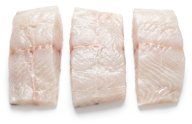
fish
02
Onion · Pyazroughly chopped
150 g1 onion
vegetable
03
12 g1 piece
aromatic
04
40 g3 tablespoons
oil/fat
05
15 g1 tablespoon
souring agent
06
4.2 g1 teaspoon
sweetener
07
Green chilli · Hari Mirchslit lengthways and de-seeded
18–24 g3–4 chillies
vegetable
08
to taste
salt

Method

  1. Make shallow cuts across the skin side of 500 g fish. Place into a shallow dish, rub all over with the marinade spice and salt to taste, then cover and chill in the fridge for 30 minutes.
  2. Blend 150 g onion and 12 g ginger with a splash of water to form a smooth paste.
  3. Heat two-thirds of the ghee (about 26 g) in a large, heavy skillet over medium heat. Fry the fish for 1 to 2 minutes on each side until lightly golden, then transfer with a slotted spatula onto kitchen paper.
  4. Melt the remaining ghee (about 13.6 g) in the pan over high heat, then drop the flame. Add the onion and ginger paste along with the ground spices for the sauce and fry for roughly 2 minutes until the spices deepen in colour.
  5. Stir in 1 tablespoon vinegar, 4.2 g granulated sugar, and salt to taste. Add 18–24 g green chilli and stir-fry for 2 minutes.
  6. Pour 125 ml of water into the skillet. Lower the fried fish back into the sauce, spooning the liquid over the top, then cover and gently simmer over low heat for 5 minutes until fully cooked.

Don't have something?

Fish fillet
  • Firm white fish fillet

    Use the same weight, cut to the same thickness. Cooking time is almost identical; check after 5 minutes.

  • Firm fish fillet

    Use the same weight. If thicker, add 2–3 minutes simmering; do not stir roughly.

  • Boneless fish

    Use the same weight, cut into fillet-like pieces. Check carefully for bones; cooking time is similar.

Ground turmeric
  • Ground ginger

    Use 50% of the weight. Mimics turmeric's warm, earthy, rhizome background, but provides none of the golden-yellow colour.

  • Saffron

    Steep a tiny pinch (0.1 g per 2 g turmeric) in 2 tbsp warm water; use to match the rich golden hue. Contributes an aristocratic, honeyed floral flavour rather than earthy bitterness.

Onion
  • Shallot

    Use equal weight, finely sliced. Shallots soften and brown faster, giving a slightly sweeter and more delicate base to curries.

  • Cabbage

    Use 80% of the weight, finely shredded and browned slowly with a pinch of asafoetida. Replicates the bulk and natural sweetness in gravies without allium.

Ginger
  • Fresh ginger

    Use equal weight; scrape off the skin and grate or finely julienne according to the recipe.

  • Ginger paste

    Use equal weight; stir straight into the sizzling aromatics, taking care as the extra moisture may spit.

  • Ground ginger

    Use 15 to 20% of the weight; add alongside ground spices, noting it imparts warm, dry heat rather than zesty freshness.

Ghee
  • Unsalted butter

    Use 120% of the weight; melt gently over low heat to avoid burning the milk solids, which will yield a softer, creamier richness rather than a nutty aroma.


  • Vegetable oil

    Use 85% of the weight; holds high cooking temperatures without smoking, but the final dish will lack traditional dairy depth.

  • Mustard oil

    Use equal weight; heat to smoking point and cool slightly before cooking, bearing in mind it introduces an assertive, pungent edge.

Chilli powder
  • Red chilli powder

    Use 100% of the weight. Provides direct, sharp heat and red colour in equal measure.

  • Kashmiri chilli powder

    Use 150% to 200% of the weight if matching colour, but add a pinch of black pepper or hot chilli if you need equivalent fiery heat.

  • Cayenne pepper

    Use 75% to 100% of the weight. Offers a sharp, clean heat with slightly less earthy depth and less crimson colour.

Kashmiri chilli powder
  • Dried kashmiri chilli

    Grind deseeded dried pods to an equal weight of powder; gives identical vivid red colour and gentle warmth.

  • Red chilli powder

    Use 25% of the weight mixed with sweet paprika for colour; straight red chilli powder is substantially hotter and will make the dish fiery.

  • Chilli powder

    Use one-third of the weight; the sauce will be less intensely red and notably sharper in heat.

Vinegar
  • White vinegar

    Use 100% of the weight directly. It delivers an identical sharp, clean acidity to curries and marinades.

  • Lemon juice

    Use 100% of the weight. Add towards the end of cooking off the heat; introduces a fruity citrus aroma rather than pungent acetic sharpness.

  • Tamarind extract

    Use 75% of the weight diluted in a splash of warm water. Gives a rich, fruity sourness and darkens the gravy.

Granulated sugar
  • Jaggery

    Use equal weight; grate or shave finely so it dissolves rapidly, giving a warm, caramel-like sweetness and slightly darker sauce.

Green chilli
  • Chilli powder

    Use 10 to 15% of the weight (about 1/4 teaspoon per chilli); imparts dry pungent heat and reddens the dish without the grassy crunch.

  • Dried red chilli

    Use 1 dried pod per fresh green chilli; snap in half and temper in hot oil for a deeper, toastier heat.

Similar dishes

Meen Kozhambu
Fish Kozhambu
It has an earthy, tomato-driven tang rather than the sweet and sharp vinegar pungency of this dish.
  • Same: Meen Kozhambu shares a base of fish seasoned with onion, ginger, turmeric, and chilli powder.
  • Different: It is cooked in vegetable oil with tomatoes, garlic, curry leaves, mustard seeds, and fenugreek, lacking the ghee, vinegar, sugar, and green chillies used in this dish.
Kothmiratil Machhi
Coriander (Cilantro)-flavoured Fried Fish
Kothmiratil Machhi tastes fresh, intensely herbal, and citrusy, while this dish is richer and sweeter with a sharp vinegar tang.
  • Same: Both preparations feature fried fish seasoned with turmeric, ginger, green chillies, and sugar.
  • Different: Kothmiratil Machhi is fried in vegetable oil with a thick fresh coriander and garlic paste soured with lime juice, whereas this dish uses ghee, onions, red chilli powders, and vinegar.
Aa
Fish Stew
Aa is a light, brothy, savoury stew with warm peppery heat, while this dish is sweeter, sourer, and richer from ghee and vinegar.
  • Same: Aa shares fish fillet, onion, green chilli, and salt with this dish.
  • Different: Aa lacks turmeric, ginger, ghee, chilli powder, vinegar, and sugar, but adds garlic and fermented fish and is gently poached rather than lightly fried and finished in a sauce.
Chincheche Talwan
Fish & Tamarind Curry
Chincheche Talwan has a fruitier, garlic-forward tang from tamarind and tomato rather than the rich, vinegar-sharp, and onion-sweet profile of this dish.
  • Same: Chincheche Talwan also cooks fish seasoned with green chillies, ginger, turmeric, red chilli powder, and sugar.
  • Different: Chincheche Talwan is stewed in vegetable oil with tamarind, lime juice, tomatoes, garlic, and garam masala instead of being fried in ghee with onions and vinegar.