
Aloo Matar ka Achar
A sharp, robustly spiced North Indian vegetable pickle combining soft potatoes and sweet peas in a mustard oil and vinegar brine.
Pickling spices
110 gWhisked into the vinegar (step 3)Garlic paste
31 gFried in the mustard oil (step 4)Ginger paste
31 gAdded to the sizzling garlic (step 5)Everything else

Method
- Drop 1000 g unpeeled potatoes into a pot of boiling water and cook for about 20 minutes until tender throughout. Drain, peel away the skins, and set the potatoes aside.
- In a separate saucepan of boiling water, simmer 500 g peas for 5 to 7 minutes until tender, then drain and reserve.
- Whisk the pickling spices into 375 g vinegar along with salt to taste until evenly blended.
- Pour 228 g mustard oil into a wide pan set over medium heat, add the garlic paste, and cook for 1 to 2 minutes until pale gold.
- Tip the ginger paste into the oil and fry for 1 to 2 minutes until lightly browned. Pour in the vinegar mixture and tip in the cooked potatoes and peas, stirring over the heat for 1 minute until well coated, then take the pan off the stove and let the mixture cool completely.
- Pack the cooled pickle into sterilised glass jars, seal tightly, and allow to stand for 1 to 2 days before using.
Don't have something?

 Eggplant
Use equal weight. Cut into large chunks; cooks down much faster (10-12 minutes) and softens into the sauce rather than staying starchy and firm.
 Paneer
Use 80% of the weight. Cube and add in the last 5-10 minutes of cooking; adds rich dairy protein instead of starchy bulk.
 Dried chickpea
Use 45% dry weight. Soak overnight and boil until fully soft before stirring into the sauce to simmer for 10 minutes.




 Ground mustard seed
Use equal weight. Finely grind whole black or yellow mustard seeds in a spice grinder; yellow gives milder heat, black gives stronger pungency.
 Mustard seeds
Use equal weight, crushed to a paste with a splash of water using a pestle and mortar. Adds a similar sharp bite.


 Ground ginger
Use 50% of the weight. Mimics turmeric's warm, earthy, rhizome background, but provides none of the golden-yellow colour.
 Saffron
Steep a tiny pinch (0.1 g per 2 g turmeric) in 2 tbsp warm water; use to match the rich golden hue. Contributes an aristocratic, honeyed floral flavour rather than earthy bitterness.


 Red chilli powder
Use 100% of the weight. Provides direct, sharp heat and red colour in equal measure.
 Kashmiri chilli powder
Use 150% to 200% of the weight if matching colour, but add a pinch of black pepper or hot chilli if you need equivalent fiery heat.
 Cayenne pepper
Use 75% to 100% of the weight. Offers a sharp, clean heat with slightly less earthy depth and less crimson colour.


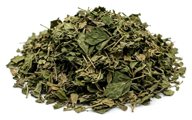
 Ground fenugreek
Use 20% of the weight; stir in during tempering rather than crushing over at the end, and be cautious as it turns bitter easily.
 Fenugreek seeds
Crush lightly and fry in the initial oil tempering, using 25% of the weight; provides bitter notes but lacks leafy aroma.


 White vinegar
Use 100% of the weight directly. It delivers an identical sharp, clean acidity to curries and marinades.
 Lemon juice
Use 100% of the weight. Add towards the end of cooking off the heat; introduces a fruity citrus aroma rather than pungent acetic sharpness.
 Tamarind extract
Use 75% of the weight diluted in a splash of warm water. Gives a rich, fruity sourness and darkens the gravy.


 Peanut oil
Use equal weight. It handles high-heat cooking well, but lacks the signature pungent, nasal heat of mustard oil.
 Vegetable oil
Use equal weight. Neutral in flavour, so your curry will lack the characteristic Bengali or North Indian pungent punch.


 Garlic
Use equal weight; crush or finely grate to a smooth pulp to replicate the same fresh, pungent moisture in your base gravy.
 Garlic powder
Use 20 to 25% of the weight; mix with a teaspoon of water before adding to oil so it does not burn, noting it lacks the fresh bite.


 Fresh ginger
Use equal weight; peel and grate very finely on a microplane or pound to a fine paste in a mortar.
 Ginger
Use equal weight; mince finely and crush with the flat of a knife before frying.
- Ground ginger
Use 20% of the weight; add directly with the dry spice powders, though it yields an earthier, less pungent profile.


Similar dishes
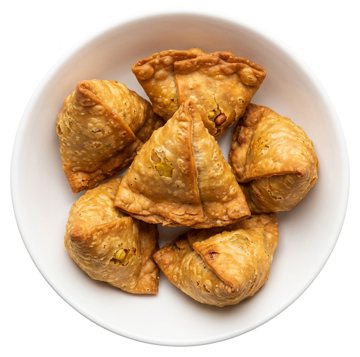
- Same: Singhara also features potatoes, peas, ginger, garlic, turmeric, and chilli powder.
- Different: Instead of pickling vegetables in mustard oil and vinegar, Singhara seasons potatoes and peas with cumin, coriander, and onion before frying them inside a pastry shell with neutral vegetable oil.

- Same: Subz Khara Masala also pairs potatoes and peas with ginger, garlic, turmeric, and chilli powder.
- Different: Instead of being pickled in mustard oil and vinegar, Subz Khara Masala is a simmered dish cooked with peanut oil, yogurt, fresh tomatoes, and green chillies.
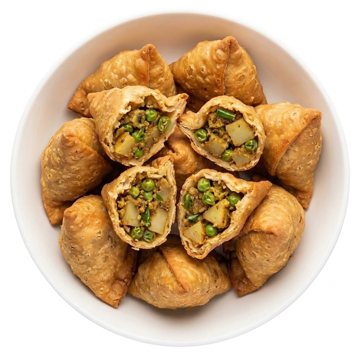
- Same: Samosa also features a potato and pea mixture seasoned with ginger, turmeric, and chilli powder.
- Different: Samosa encases the filling in a deep-fried pastry cooked in ghee and vegetable oil, using cumin and fresh coriander instead of this dish's vinegar brine, mustard oil, mustard powder, and garlic.

- Same: Both dishes feature potatoes seasoned with turmeric, mustard, and salt.
- Different: Aloo Matar Sookhe is cooked as a dry vegetable sauté using ghee or vegetable oil, cumin seeds, tomatoes, and green chillies, lacking the heavy vinegar brine, mustard oil, and ginger-garlic paste of this dish.