
Royya Alu Pulussu
A fragrant South Indian prawn curry featuring a rich coconut and onion gravy brightened with tangy tamarind and lime.
Marinade spices
3.4 gRubbed onto the prawns in step 1Curry paste spices
15 gFried with the prawns in step 4Whole spices
0.6 gSimmered in the coconut gravy in step 5Everything else

Method
- Combine the marinade spices (0.8 g ground turmeric and 2.6 g chilli powder) with salt to taste in a bowl. Add 500 g prawns (peeled and deveined), coat evenly, cover, and chill in the refrigerator for 15 minutes.
- Blend the curry paste spices (1.8 g ground coriander, 2.6 g ground cumin, 5.2 g ginger paste, and 5.2 g garlic paste) with 4 tablespoons of water in a small bowl until thoroughly mixed.
- Heat 114 g vegetable oil in a broad skillet over medium heat. Toss in 600 g sliced onion and stir-fry for 2 minutes until soft and translucent.
- Drop the heat to low, tip the marinated prawns into the skillet, and cook for 3 minutes. Stir in the curry paste spices and cook for another 2 minutes.
- Pour in 254 g coconut milk, followed by 40 g desiccated coconut, 24 g chopped green chilli, 10 mint (chopped), 1.5 g chopped curry leaf, and the whole spices (0.3 g clove and 0.3 g black peppercorn). Bring to a simmer and cook for 5 minutes.
- Pour in 1 lime juice and 5.2 g tamarind extract, simmer gently for a final 5 minutes, then take the pan off the heat.
Don't have something?


 Ground ginger
Use 50% of the weight. Mimics turmeric's warm, earthy, rhizome background, but provides none of the golden-yellow colour.
 Saffron
Steep a tiny pinch (0.1 g per 2 g turmeric) in 2 tbsp warm water; use to match the rich golden hue. Contributes an aristocratic, honeyed floral flavour rather than earthy bitterness.


 Red chilli powder
Use 100% of the weight. Provides direct, sharp heat and red colour in equal measure.
 Kashmiri chilli powder
Use 150% to 200% of the weight if matching colour, but add a pinch of black pepper or hot chilli if you need equivalent fiery heat.
 Cayenne pepper
Use 75% to 100% of the weight. Offers a sharp, clean heat with slightly less earthy depth and less crimson colour.


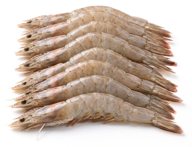
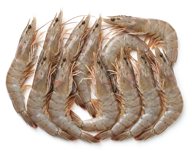 King prawn
Use the same weight; cut large ones into 2 cm pieces. Sweeter and firmer; cook 1–2 minutes longer.
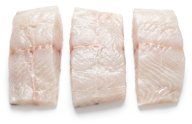 Firm white fish fillet
Use the same weight, cut into chunks. Add 3–4 minutes later; milder and less sweet, and it flakes easily.
 Small prawn
Use the same weight; they cook faster, so add 2 minutes later. More numerous and slightly sweeter.


 Coriander seeds
Dry-roast lightly in a pan and grind to a fine powder; use equal weight (1:1). Offers a noticeably fresher, brighter citrus note.
 Ground cumin
Use 50% to 75% of the weight. Lacks the floral, citrusy profile of coriander and turns the gravy heavier, earthier, and darker.
 Garam masala
Use 50% of the weight and stir in near the end of cooking. Adds warmth and depth since it contains ground coriander, but introduces stronger spices like clove and cinnamon.


 Cumin seed
Dry-roast briefly and grind finely; use equal weight (1:1). Imparts an even punchier, nuttier, toasty aroma than pre-ground cumin.
- Ground coriander
Use equal weight (1:1). Adds mild, lemony sweetness rather than cumin's smoky, earthy bite; curries will taste lighter and less savoury.
 Black cumin seeds
Grind finely; use 60% to 75% of the weight. Produces a darker, more complex, smoky-herbal flavour suited to rich gravies.


 Peanut oil
Use 1:1 by weight. Handles high-heat frying identically and introduces a very subtle, pleasant nuttiness.
 Ghee
Use 1:1 by weight. Yields a much richer, authentic aroma and a glossy, heavier mouthfeel.
 Mustard oil
Use 1:1 by weight. Heat until smoking, then cool slightly before cooking to temper its intensely pungent, sharp mustard kick.






 Fresh ginger
Use equal weight; peel and grate very finely on a microplane or pound to a fine paste in a mortar.
 Ginger
Use equal weight; mince finely and crush with the flat of a knife before frying.
- Ground ginger
Use 20% of the weight; add directly with the dry spice powders, though it yields an earthier, less pungent profile.


 Garlic
Use equal weight; crush or finely grate to a smooth pulp to replicate the same fresh, pungent moisture in your base gravy.
 Garlic powder
Use 20 to 25% of the weight; mix with a teaspoon of water before adding to oil so it does not burn, noting it lacks the fresh bite.


 Single cream
Use equal weight; simmer gently over low heat to prevent curdling. Imparts a comparable rich texture, though it adds dairy richness without any coconut fragrance.
 Cashew paste
Whisk 1 part cashew paste with 2 parts water to match the consistency, then use equal weight. Provides a thick, velvety body without coconut flavour.
 Whole milk
Use equal weight, but reduce other cooking liquids by 20% to compensate for the lower viscosity. The curry will be lighter and lack sweetness.


 Grated desiccated coconut
Use equal weight directly; it is the identical ingredient under a different label.
 Fresh coconut
Grate finely and use 130% to 140% of the weight to compensate for higher moisture; toast gently in a dry pan over low heat if a dry texture is needed.
 Dried coconut
Grate finely using a microplane and use equal weight. Offers a slightly oilier, toastier coconut profile.


- Chilli powder
Use 10 to 15% of the weight (about 1/4 teaspoon per chilli); imparts dry pungent heat and reddens the dish without the grassy crunch.
 Dried red chilli
Use 1 dried pod per fresh green chilli; snap in half and temper in hot oil for a deeper, toastier heat.


 Ground cloves
Use 1 g ground for 4 g whole (or 1 small pinch per 2 to 3 whole cloves). Add with spice powders; disperses intense warmth quickly, so use with restraint.
 Allspice berries
Use 100% of the weight whole in tempering. Imparts a warm, clove-like aromatic profile combined with hints of nutmeg and cinnamon.
 Black cardamom pod
Use 1 pod for 3 to 4 cloves in whole tempering. Shares a camphor-like warmth and medicinal depth, though it introduces a distinct smoky undertone.


 Coarsely ground black pepper
Use 75% of the weight. Add midway through simmering; spreads heat evenly through the dish instead of delivering isolated bursts.
 Ground black pepper
Use 50% of the weight. Stir in near the end of cooking; significantly darkens light gravies and provides an immediate, sharp bite.


 Dried mint
Use about 30% of the weight of fresh mint. Rub between your palms to crush before stirring in; the flavour will be more intensely herbal and less bright.
 Coriander leaf
Use equal weight, finely chopped. Adds fresh citrusy green notes, but lacks the cooling menthol lift.


 Bay leaf
Fry 1 bay leaf for every 5 curry leaves in hot oil; imparts a warm, woodsy background note, but misses the citrus-sulphury punch entirely.
 Lime juice
Add a small squeeze (about 5 ml per sprig of curry leaves) right before serving; provides sharp citrus top notes without the toasty, herbal aroma.

 Lemon juice
Use equal volume or weight; slightly sweeter and less pungent, but otherwise an imperceptible swap.
 Dried mango powder
Use 25% of the weight; imparts dry, fruity sourness, best stirred in right at the end of cooking.
 Tamarind extract
Use 50% of the weight; delivers pleasant fruity tang but turns pale sauces considerably darker.


 Tamarind
Use 180% of the weight of compressed tamarind; soak in three times its weight of boiling water for 15 minutes, knead, and strain out the thick pulp.
- Dried mango powder
Use 35% of the weight dissolved in two tablespoons of warm water. Provides sharp tang, though the resulting sauce will be lighter in colour.
- Lemon juice
Use equal weight, added right at the end of cooking. Adds sharp acidity without the deep brown hue or pulpy thickness.

Similar dishes

- Same: Veinchana Royyaalu shares prawns, onion, green chilli, ginger paste, garlic paste, turmeric, chilli powder, ground coriander, vegetable oil, lime juice, clove, and salt with this dish.
- Different: Veinchana Royyaalu adds tomato, green cardamom, and aniseed, uses more lime juice, ginger paste, garlic paste, turmeric, and chilli powder and less onion and oil, and lacks coconut milk, desiccated coconut, tamarind, mint, curry leaf, and black peppercorn, so it is a tomato-based curry rather than a coconut-onion gravy.

- Same: Konju Masala also simmers prawns in a base of onions, ginger, garlic, green chillies, curry leaves, and coconut milk spiced with turmeric, chilli powder, and coriander.
- Different: Konju Masala adds a large quantity of fresh tomatoes and extra ginger while quadrupling the chilli powder, but it omits this dish's cumin, cloves, black peppercorn, mint, desiccated coconut, and tamarind and lime souring agents.
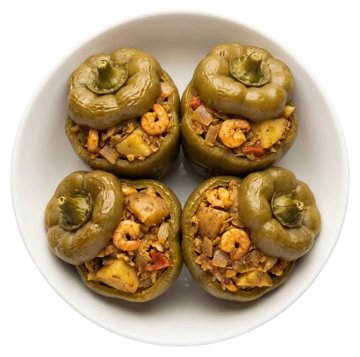
- Same: Kolambini Bharaleli Bhaji also uses prawns, vegetable oil, onions, ginger, garlic, lime juice, and ground turmeric, cumin, coriander, and chilli powder.
- Different: Instead of being simmered in a coconut milk and tamarind sauce with curry leaves and green chillies, it is prepared by stuffing prawns, potatoes, and tomatoes into bell peppers and steaming them.

- Same: Both recipes cook prawns in vegetable oil using onions, green chillies, curry leaves, turmeric, chilli powder, and ground coriander.
- Different: Jhinga Dopyaza is a dry-style curry made with significantly more oil, onions, and ginger-garlic paste, but it omits this dish's coconut milk, desiccated coconut, cumin, cloves, peppercorns, tamarind, and lime juice.