
Raan Patialashai
A slow-roasted, twice-marinated leg of lamb infused with warm whole and ground aromatics, tenderised in yoghurt and finished over coals for a crisp, smoky crust.
First marinade spices
23 gBlended into the papaya marinade (step 2)Yoghurt paste spices
71 gWhisked into the yoghurt paste (step 3)Everything else

Method
- Cut away the blade bone from the 1000 g lamb leg and pierce shallow slits all over the flesh with the tip of a sharp knife.
- In a broad dish, combine the first marinade spices with the papaya paste. Rub this mixture thoroughly across the lamb, coating the cuts evenly. Cover and chill in the refrigerator for 2 hours.
- In a separate dish, whisk 300 g yoghurt with the yoghurt paste spices, 2 tablespoon chopped garlic, 53.5 g lemon juice, 9 g vegetable oil, 2 tablespoon butter, and salt to taste. Wipe off any excess liquid from the lamb, then coat it completely with this spiced yoghurt paste. Cover and return to the refrigerator for a further 2 hours.
- Heat the oven to 190°C (375°F). Transfer the lamb leg along with its marinade into a deep roasting dish and roast for approximately 1 hour until nearly tender, then remove from the oven and portion along the bone into 3 to 4 chunks.
- Set a tandoor, charcoal barbecue, or conventional overhead grill to a moderate heat. Thread the lamb chunks onto metal skewers and cook for 7 to 8 minutes, turn to baste with butter to taste, and grill for an additional 3 to 4 minutes before carving into slices to serve.
Don't have something?
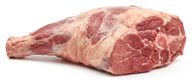
 Leg of spring lamb
Use the same weight; younger and tenderer, so reduce cooking by 10–15 minutes.
 Lamb shoulder
Use the same weight; more fat, so cook 15–20 minutes longer and skim excess fat.
 Leg of goat
Use the same weight; stronger flavour and tougher, so cook 15–20 minutes longer.


 Melted ghee
Use the same weight; nuttier and keeps better. Reduce salt if the butter was salted.
 Vegetable oil
Use 80% of the weight; no dairy flavour and less richness. Good for frying, less good for finishing.
 Melted unsalted butter
Use the same weight; adjust salt in the dish if your butter was salted.


 Green papaya paste
Use the same weight; blend peeled green papaya. Very close, but may be slightly weaker as a tenderiser.
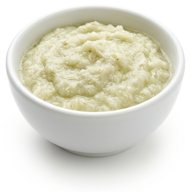 Unripe papaya paste
Use the same weight; blend peeled unripe papaya. Similar, with a little more sweetness.
 Raw papaya
Use the same weight; peel, deseed and blend to a paste. Fresher and stronger than a stale paste.


 Ceylon cinnamon
True cinnamon: thinner, papery quills, milder and sweeter. Use about 1.5 times the weight, and taste.
 Ground cinnamon (cassia)
Use about a third of the weight (0.5 g ground for a 2.5 cm piece), stirred in with the ground spices rather than fried whole, since the powder burns quickly.
 Cassia buds
Use 60-70% of the weight; stronger and more peppery, so taste before adding more.


 Cardamom seed
Grind the same weight; remove the pods first for a cleaner, stronger powder.
 Green cardamom pod seed
Grind the same weight of the seeds from green pods; discard the husks for the best flavour.
 Ground green cardamom
Use the same weight; it is the same spice and works directly.


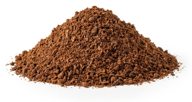 Ground allspice
Use 1.5–2 times the weight; it has a similar warm pungency but is milder and rounder, so the dish loses clove’s sharp medicinal heat.
- Ground cinnamon (cassia)
Use the same weight; it gives warmth but is sweeter and lacks clove’s strength, so use only if the amount is small.


 Ground fennel seed
Use the same weight; fennel is the closest everyday match, slightly sweeter and milder.
 Aniseed
Grind the same weight freshly; the aroma is stronger, so add it near the end.
 Ground star anise
Use about 50% of the weight; it is much more powerful and slightly liquorice-heavy.


 Cumin seed
Dry-roast briefly and grind finely; use equal weight (1:1). Imparts an even punchier, nuttier, toasty aroma than pre-ground cumin.
 Ground coriander
Use equal weight (1:1). Adds mild, lemony sweetness rather than cumin's smoky, earthy bite; curries will taste lighter and less savoury.
 Black cumin seeds
Grind finely; use 60% to 75% of the weight. Produces a darker, more complex, smoky-herbal flavour suited to rich gravies.


 Coriander seeds
Dry-roast lightly in a pan and grind to a fine powder; use equal weight (1:1). Offers a noticeably fresher, brighter citrus note.
- Ground cumin
Use 50% to 75% of the weight. Lacks the floral, citrusy profile of coriander and turns the gravy heavier, earthier, and darker.
 Garam masala
Use 50% of the weight and stir in near the end of cooking. Adds warmth and depth since it contains ground coriander, but introduces stronger spices like clove and cinnamon.


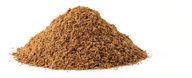
 Nutmeg
Grate whole nutmeg finely on a microplane; use 80% to 100% of the weight. Freshly grated nutmeg has significantly more aromatic oils and a more vibrant aroma.
 Ground mace
Use 100% to 120% of the weight. Mace is nutmeg's outer husk, providing almost identical warmth but with a lighter, slightly more delicate, floral edge.
- Ground cinnamon (cassia)
Use 75% of the weight. Adds comparable warmth and sweetness, though it lacks the musky, nutty undertone of nutmeg.


 Ginger paste
Use 300% to 400% of the weight (e.g. 3–4 g paste for 1 g ground). Fry in oil alongside onions; provides a juicy, pungent kick rather than a dry, baking-spice heat.
 Fresh ginger
Peel and grate finely; use 300% to 400% of the weight. Add to the hot oil early; delivers bright, peppery warmth rather than the mellow, woody heat of dry ginger.
- Ground mace
Use 50% of the weight. Imparts a warm, spicy undertone in rich gravies, but lacks ginger's fiery, sharp zest.


 Hung natural yoghurt
Use the same weight. The names are used interchangeably; check seasoning.
 Greek yoghurt
Use the same weight. It is thick enough for marinades and raitas, with a slightly sharper taste.
 Full-fat natural yoghurt
Use about 175% of the weight and strain through muslin for 3–4 hours to get the same thick weight.


 Garlic
Use equal weight; crush or finely grate to a smooth pulp to replicate the same fresh, pungent moisture in your base gravy.
 Garlic powder
Use 20 to 25% of the weight; mix with a teaspoon of water before adding to oil so it does not burn, noting it lacks the fresh bite.

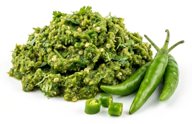
 Green chilli
Use the same weight, deseed if wanted, and grind with 1 tbsp water; fresher and brighter.
 Chilli paste
Use the same weight; may be red and hotter, so adjust.
 Red chilli paste
Use 75–80% of the weight; changes colour and heat.


 Red chilli powder
Use about 30–40% of the paste weight, mix with water to a paste and add gradually; it is drier and hotter.
 Fresh red chilli
Blend deseeded fresh red chillies to the same weight as the paste; fresher, sharper heat and more moisture.
 Kashmiri red chilli powder
Use the same weight mixed with water; gives good red colour but much less heat, so add cayenne if needed.


- Garlic paste
Use equal weight. Fry gently in oil or ghee with the ginger; incorporates smoothly into curries without visible minced bits.
- Garlic powder
Use 15% to 20% of the weight (about 1 g for every 5 to 6 g fresh cloves). Whisk into sauces; gives a savoury, toasted garlic flavour without raw pungency.
 Shallot
Use 1.5 times the weight, very finely minced. Sauté until golden; provides savoury allium sweetness, though it lacks garlic's pungent sulphur bite.


- Ground ginger
Use 50% of the weight. Mimics turmeric's warm, earthy, rhizome background, but provides none of the golden-yellow colour.
 Saffron
Steep a tiny pinch (0.1 g per 2 g turmeric) in 2 tbsp warm water; use to match the rich golden hue. Contributes an aristocratic, honeyed floral flavour rather than earthy bitterness.

- Ground Ceylon cinnamon
Milder and sweeter than ground cassia: use about 1.5 times the weight.
- Cassia bark (Chinese cinnamon)
Grind the same weight of cassia bark in a spice mill until powdery, or simmer a piece whole and lift it out before serving.
- Ground mace
Use 40 to 50% of the weight; offers a delicate, sweet, woodsy fragrance that complements rich curries without dominating.


 Lime juice
Use equal volume or weight; delivers almost identical sharp acidity with a faintly more aromatic, bitter-edged profile.
 Dried mango powder
Use 25% of the weight (about 1 g amchoor for 4 g juice); provides clean fruity tartness without thinning the sauce.
 White vinegar
Use 75% of the volume; gives direct sourness without any citrus floral fragrance.


 Peanut oil
Use 1:1 by weight. Handles high-heat frying identically and introduces a very subtle, pleasant nuttiness.
 Ghee
Use 1:1 by weight. Yields a much richer, authentic aroma and a glossy, heavier mouthfeel.
 Mustard oil
Use 1:1 by weight. Heat until smoking, then cool slightly before cooking to temper its intensely pungent, sharp mustard kick.


Similar dishes

- Same: Both recipes feature lamb prepared with garlic, ginger, cumin, coriander, turmeric, cinnamon, and cloves.
- Different: Mirchiwala Gosht is a simmered curry cooked in ghee with onions, black cardamom, and four types of chilli, whereas this dish is a whole leg of lamb marinated in lemon juice and nutmeg, then roasted over coals.

- Same: Both dishes slow-cook lamb using vegetable oil and a shared spice base of cumin, coriander, turmeric, cinnamon, cloves, garlic, and ginger.
- Different: Bhuna Gosht (II) is braised on the stovetop using heavy amounts of sliced onions, black cardamom, chili powder, and far more oil, rather than being lemon-marinated and roasted over coals.

- Same: Like this dish, Tawe de Tikke uses lamb flavored with garlic, ginger, lemon juice, cumin, cloves, and cinnamon.
- Different: Instead of slow-roasting a whole leg of lamb with nutmeg and turmeric, Tawe de Tikke pan-fries boneless lamb cubes on a griddle using generous ghee, yogurt, onions, fresh green chillies, and black cardamom.

- Same: Magaj Masala shares lamb, yoghurt, garlic, ginger, chilli, turmeric, cinnamon, cardamom, clove, coriander, cumin and lemon juice with this dish.
- Different: Magaj Masala uses lamb brains, ghee, cashew paste, milk, brandy or rum and a whole-spice tempering with bay leaf, fenugreek and black cardamom, while this dish uses a leg of lamb, butter, papaya paste and a coal finish.