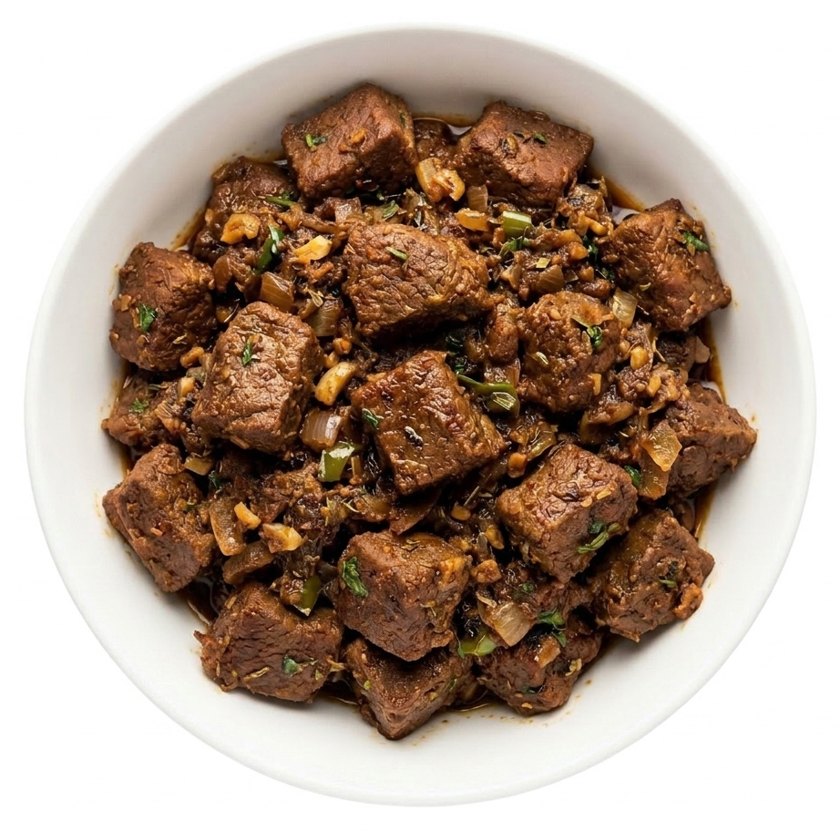
Tawe de Tikke
Tender cubes of boneless lamb are marinated in spiced yoghurt, pre-cooked until their juices reduce, and pan-fried on a griddle with aromatics, fresh chillies, tomatoes, and a splash of rum.
Marinade spices
60 gWhisked into the yoghurt and fried onion base (step 1)Finishing ground spices
10 gStirred into the pan with the cooked lamb (step 5)Everything else

Method
- In a wide, shallow dish, mix 254 g plain yogurt, 100 g fried onion, and the marinade spices. Add 1000 g lamb cubes, rubbing the marinade thoroughly into the meat. Cover and chill in the refrigerator for about 2 hours.
- Transfer the marinated meat into a large pan over medium heat and stir-fry until the cooking liquids come to a boil. Lower the heat and cook for roughly 5 minutes, stirring continuously, until the pan juices have fully boiled away and the lamb is cooked through. Remove from the heat and set aside.
- Heat 125 g ghee or vegetable oil on an iron tawa or heavy skillet over medium heat. Add 24 g garlic and fry for about 30 seconds until pale golden, then add 200 g onion and cook for 2 minutes until translucent.
- Toss in 6 g fresh ginger and 24–30 g green chilli, frying for a few seconds. Tip in 3 tomatoes and cook for around 5 minutes until soft and pulpy.
- Add the cooked meat to the griddle and stir-fry for 2 to 3 minutes. Stir in the finishing ground spices and season with salt to taste.
- Pour in 2 tablespoons rum and stir well to combine. Sprinkle in 3 g coriander leaf, 15.3 g lemon juice, and 1 teaspoon fenugreek leaves, give the pan a final toss to combine, adjust the seasoning if needed, and remove from the heat.
Don't have something?




 Peanut oil
Use equal weight; handles high tempering heat well and keeps flavours neutral.
 Butter
Use equal weight; cook over gentle heat to prevent browning the milk solids too quickly.



 Garlic paste
Use equal weight. Fry gently in oil or ghee with the ginger; incorporates smoothly into curries without visible minced bits.
 Garlic powder
Use 15% to 20% of the weight (about 1 g for every 5 to 6 g fresh cloves). Whisk into sauces; gives a savoury, toasted garlic flavour without raw pungency.
 Shallot
Use 1.5 times the weight, very finely minced. Sauté until golden; provides savoury allium sweetness, though it lacks garlic's pungent sulphur bite.




 Ginger paste
Use equal weight. Sauté in hot fat until the raw allium smell disappears; slightly wetter, but provides identical warmth and pungency.
 Ground ginger
Use 20% to 25% of the weight (1 g for every 4 to 5 g fresh). Stir into the gravy; adds peppery heat and warmth, though it misses the crisp, zesty kick of raw root.


 Chilli powder
Use 10 to 15% of the weight (about 1/4 teaspoon per chilli); imparts dry pungent heat and reddens the dish without the grassy crunch.
 Dried red chilli
Use 1 dried pod per fresh green chilli; snap in half and temper in hot oil for a deeper, toastier heat.

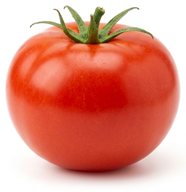
 Tomato
Use the same weight of ordinary tomatoes, chopped. Taste for acidity; add a pinch of sugar if they are very sour.
 Canned chopped tomatoes
Use the same weight, draining some juice if the curry should be thick. Simmer 5–10 minutes longer to reduce the extra liquid.
 Concentrated tomato purée
Use about 30% of the weight, dilute with water to roughly the original volume and add early. It gives a deeper colour and stronger acidity; adjust salt and sugar.


 Cumin seed
Dry-roast briefly and grind finely; use equal weight (1:1). Imparts an even punchier, nuttier, toasty aroma than pre-ground cumin.
 Ground coriander
Use equal weight (1:1). Adds mild, lemony sweetness rather than cumin's smoky, earthy bite; curries will taste lighter and less savoury.
 Black cumin seeds
Grind finely; use 60% to 75% of the weight. Produces a darker, more complex, smoky-herbal flavour suited to rich gravies.


 Black peppercorn
Use 1:1 by weight; pulverise in a spice mill or mortar to a fine powder for immediate, punchy heat.
 Coarsely ground black pepper
Use equal weight; offers the same bite, though it gives a visibly speckled finish and firmer crunch.


 Black cardamom seeds
Use equal weight; grind freshly in a mortar or spice mill for an even more vibrant camphor-and-smoke aroma.
 Black cardamom pod
Use 2.5 times the weight in whole pods; crack open, extract the sticky seeds, and grind to a fine powder, discarding the husks.
 Garam masala
Use 60% of the weight; provides some warm resinous smokiness if it contains black cardamom, though it adds cinnamon and clove notes.


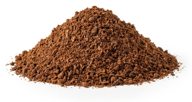 Ground allspice
Use 1.5–2 times the weight; it has a similar warm pungency but is milder and rounder, so the dish loses clove’s sharp medicinal heat.
 Ground cinnamon (cassia)
Use the same weight; it gives warmth but is sweeter and lacks clove’s strength, so use only if the amount is small.
- Ground Ceylon cinnamon
Milder and sweeter than ground cassia: use about 1.5 times the weight.
 Cassia bark (Chinese cinnamon)
Grind the same weight of cassia bark in a spice mill until powdery, or simmer a piece whole and lift it out before serving.
 Ground mace
Use 40 to 50% of the weight; offers a delicate, sweet, woodsy fragrance that complements rich curries without dominating.


 Rum
Use the same weight; lighter in colour and flavour but same alcoholic warmth.
 Brandy or rum
Use the same weight; brandy is drier and more grapey.
 Coconut liquor
Use 75% of the weight; pungent and fiery, so add gradually.


 Lime juice
Use equal volume or weight; delivers almost identical sharp acidity with a faintly more aromatic, bitter-edged profile.
 Dried mango powder
Use 25% of the weight (about 1 g amchoor for 4 g juice); provides clean fruity tartness without thinning the sauce.
 White vinegar
Use 75% of the volume; gives direct sourness without any citrus floral fragrance.


 Dried fenugreek leaf
Use 10% of the fresh weight, rub between the palms or soak in warm water for 5 minutes. More hay-like and less fresh-bitter; add near the end.
 Spinach
Use the same weight, chop and wilt. Gives leafy body but none of methi's bitter aroma; adjust salt and add a pinch of sugar.
 Fenugreek shoots
Use the same weight, chop finely and discard any tough stems. Milder and more tender; cook 2–3 minutes less.


 Green cardamom seed
Use 35 to 40% of the total pod weight; lightly bruise the seeds before frying in oil to release their essential oils.
 Ground green cardamom
Use 20 to 25% of the pod weight (about 1 generous pinch per pod); stir in toward the end of cooking so the delicate floral notes do not dissipate.
 White cardamom pod
Use 1:1 by pod count or weight; crack gently before using, though it is slightly less intensely floral.


- Ground cloves
Use 1 g ground for 4 g whole (or 1 small pinch per 2 to 3 whole cloves). Add with spice powders; disperses intense warmth quickly, so use with restraint.
 Allspice berries
Use 100% of the weight whole in tempering. Imparts a warm, clove-like aromatic profile combined with hints of nutmeg and cinnamon.
- Black cardamom pod
Use 1 pod for 3 to 4 cloves in whole tempering. Shares a camphor-like warmth and medicinal depth, though it introduces a distinct smoky undertone.

- Ground black cardamom
Use 0.5 g of ground seeds for each whole pod. Stir directly into the curry base; delivers identical smoky flavour without woody husks.
- Green cardamom pod
Use equal pod count or weight. Crack slightly and fry whole; tastes sweet, menthol-fresh, and floral rather than dark and smoky.

 Ceylon cinnamon
True cinnamon: thinner, papery quills, milder and sweeter. Use about 1.5 times the weight, and taste.
- Ground cinnamon (cassia)
Use about a third of the weight (0.5 g ground for a 2.5 cm piece), stirred in with the ground spices rather than fried whole, since the powder burns quickly.
 Cassia buds
Use 60-70% of the weight; stronger and more peppery, so taste before adding more.


 Red chilli powder
Use 100% of the weight. Provides direct, sharp heat and red colour in equal measure.
 Kashmiri chilli powder
Use 150% to 200% of the weight if matching colour, but add a pinch of black pepper or hot chilli if you need equivalent fiery heat.
 Cayenne pepper
Use 75% to 100% of the weight. Offers a sharp, clean heat with slightly less earthy depth and less crimson colour.


- Garlic
Use equal weight; crush or finely grate to a smooth pulp to replicate the same fresh, pungent moisture in your base gravy.
- Garlic powder
Use 20 to 25% of the weight; mix with a teaspoon of water before adding to oil so it does not burn, noting it lacks the fresh bite.

- Fresh ginger
Use equal weight; peel and grate very finely on a microplane or pound to a fine paste in a mortar.
 Ginger
Use equal weight; mince finely and crush with the flat of a knife before frying.
- Ground ginger
Use 20% of the weight; add directly with the dry spice powders, though it yields an earthier, less pungent profile.


 Yogurt
Use equal weight, whisked thoroughly until smooth before adding to hot dishes to prevent curdling.
 Coconut milk
Use equal weight with 1 teaspoon lemon juice mixed in. Provides rich creaminess in curries, but adds a noticeable coconut flavour.
 Single cream
Use 80% of the weight plus a squeeze of lemon juice for acidity. Enriches sauces nicely, though it is richer and less tangy.


Similar dishes

- Same: Both dishes cook lamb with yogurt and ghee alongside onions, garlic, ginger, fresh green chillies, and whole spices like cinnamon, cloves, and cardamom.
- Different: Dahi ka Keema simmers minced lamb into a curry using peanut oil, bay leaf, and mace, whereas this dish marinates and pan-fries cubed lamb on a griddle using ground cumin and lemon juice.

- Same: Like this dish, Dahiwala Meat cooks lamb with yogurt, ghee, onions, garlic, ginger, green chillies, black cardamom, cloves, and cinnamon.
- Different: Dahiwala Meat is a slow-braised curry made with twice as much yogurt, omitting the lemon juice, cumin, black pepper, and final pan-frying on a griddle.

- Same: Akha Peenda also uses lamb seasoned with ginger, garlic, chilli powder, cinnamon, cloves, and both green and black cardamom.
- Different: Instead of pan-frying boneless lamb cubes with yogurt, onions, and ghee, Akha Peenda slow-braises and roasts a whole leg of lamb using mustard oil, malt vinegar, amchoor, and black cumin.

- Same: Nahari shares lamb, yogurt, onion, ginger-garlic paste, black cardamom, clove, cinnamon and chilli powder with this dish.
- Different: Nahari uses mustard oil, lamb stock and roasted chickpea flour, and it lacks this dish's tomato, fresh green chilli, rum and lemon juice.