
Mirchiwala Gosht
A richly spiced lamb curry built on a tangy yogurt marinade spiked with multiple varieties of chilli. Slow simmering produces fork-tender meat coated in a robust, deeply aromatic gravy.
Marinade spices
13 gMixed with yogurt for the marinade in step 1Whole spices for the oil
9 gSizzled in hot fat in step 2Everything else

Method
- Combine 259 g yogurt, 36 g green chilli, and the marinade spices in a shallow dish. Coat 1000 g meat thoroughly in the mixture, cover, and chill in the refrigerator for 2 to 3 hours.
- Set a large, heavy pan over medium heat and warm 250 g ghee or vegetable oil. Add the whole spices for the oil along with 10 peppercorns, stirring for about 1 minute until aromatic and lightly darkened in color.
- Stir in 400 g onion and cook for around 4 minutes until light golden.
- Transfer the marinated meat with all its liquid into the pan, adding 2 pieces pepper strips and salt to taste. Sauté for 3 to 4 minutes while stirring continuously, until moisture cooks away and fat releases from the masala.
- Pour in 125 ml of hot water, turn the heat down to low, cover, and gently simmer for 1 to 1½ hours until the meat is thoroughly tender.
Don't have something?


 Plain yogurt
Use 100% of the weight. Whisk thoroughly until smooth before stirring into warm gravies to prevent curdling.
 Single cream
Use 90% of the weight combined with 10% lemon juice to replicate the lactic tang and rich body in marinades and curries.


 Coriander seeds
Dry-roast lightly in a pan and grind to a fine powder; use equal weight (1:1). Offers a noticeably fresher, brighter citrus note.
 Ground cumin
Use 50% to 75% of the weight. Lacks the floral, citrusy profile of coriander and turns the gravy heavier, earthier, and darker.
 Garam masala
Use 50% of the weight and stir in near the end of cooking. Adds warmth and depth since it contains ground coriander, but introduces stronger spices like clove and cinnamon.


 Cumin seed
Dry-roast briefly and grind finely; use equal weight (1:1). Imparts an even punchier, nuttier, toasty aroma than pre-ground cumin.
- Ground coriander
Use equal weight (1:1). Adds mild, lemony sweetness rather than cumin's smoky, earthy bite; curries will taste lighter and less savoury.
 Black cumin seeds
Grind finely; use 60% to 75% of the weight. Produces a darker, more complex, smoky-herbal flavour suited to rich gravies.


 Red chilli powder
Use 100% of the weight. Provides direct, sharp heat and red colour in equal measure.
 Kashmiri chilli powder
Use 150% to 200% of the weight if matching colour, but add a pinch of black pepper or hot chilli if you need equivalent fiery heat.
 Cayenne pepper
Use 75% to 100% of the weight. Offers a sharp, clean heat with slightly less earthy depth and less crimson colour.


 Dried kashmiri chilli
Grind deseeded dried pods to an equal weight of powder; gives identical vivid red colour and gentle warmth.
- Red chilli powder
Use 25% of the weight mixed with sweet paprika for colour; straight red chilli powder is substantially hotter and will make the dish fiery.
- Chilli powder
Use one-third of the weight; the sauce will be less intensely red and notably sharper in heat.


 Green chilli
Use 100% of the weight, finely minced or ground into a smooth paste. Provides sharp heat while preserving the light colour of delicate kormas.
- Kashmiri chilli powder
Use 50% to 75% of the weight. It brings mild heat but will turn pale or white sauces noticeably orange-red.
- Red chilli powder
Use 50% of the weight. Gives strong, sharp heat, but will stain cream-based or yellow Mughlai gravies red.


 Ginger paste
Use 300% to 400% of the weight (e.g. 3–4 g paste for 1 g ground). Fry in oil alongside onions; provides a juicy, pungent kick rather than a dry, baking-spice heat.
 Fresh ginger
Peel and grate finely; use 300% to 400% of the weight. Add to the hot oil early; delivers bright, peppery warmth rather than the mellow, woody heat of dry ginger.
 Ground mace
Use 50% of the weight. Imparts a warm, spicy undertone in rich gravies, but lacks ginger's fiery, sharp zest.


- Ground ginger
Use 50% of the weight. Mimics turmeric's warm, earthy, rhizome background, but provides none of the golden-yellow colour.
 Saffron
Steep a tiny pinch (0.1 g per 2 g turmeric) in 2 tbsp warm water; use to match the rich golden hue. Contributes an aristocratic, honeyed floral flavour rather than earthy bitterness.


- Chilli powder
Use 10 to 15% of the weight (about 1/4 teaspoon per chilli); imparts dry pungent heat and reddens the dish without the grassy crunch.
 Dried red chilli
Use 1 dried pod per fresh green chilli; snap in half and temper in hot oil for a deeper, toastier heat.


 Garlic
Use equal weight; crush or finely grate to a smooth pulp to replicate the same fresh, pungent moisture in your base gravy.
 Garlic powder
Use 20 to 25% of the weight; mix with a teaspoon of water before adding to oil so it does not burn, noting it lacks the fresh bite.


 Lamb shoulder
Use the same weight; use all shoulder. Allow 10 minutes longer and skim the fat.
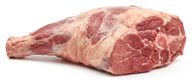 Leg of lamb
Use the same weight; leaner. Reduce cooking by 10–15 minutes and check.
 Lamb chop
Use the same weight; much faster, so check 30–40 minutes earlier.


 Peanut oil
Use equal weight; handles high tempering heat well and keeps flavours neutral.
 Butter
Use equal weight; cook over gentle heat to prevent browning the milk solids too quickly.


 Ceylon cinnamon
True cinnamon: thinner, papery quills, milder and sweeter. Use about 1.5 times the weight, and taste.
 Ground cinnamon (cassia)
Use about a third of the weight (0.5 g ground for a 2.5 cm piece), stirred in with the ground spices rather than fried whole, since the powder burns quickly.
 Cassia buds
Use 60-70% of the weight; stronger and more peppery, so taste before adding more.


 Ground black cardamom
Use 0.5 g of ground seeds for each whole pod. Stir directly into the curry base; delivers identical smoky flavour without woody husks.
 Green cardamom pod
Use equal pod count or weight. Crack slightly and fry whole; tastes sweet, menthol-fresh, and floral rather than dark and smoky.


 Ground cloves
Use 1 g ground for 4 g whole (or 1 small pinch per 2 to 3 whole cloves). Add with spice powders; disperses intense warmth quickly, so use with restraint.
 Allspice berries
Use 100% of the weight whole in tempering. Imparts a warm, clove-like aromatic profile combined with hints of nutmeg and cinnamon.
- Black cardamom pod
Use 1 pod for 3 to 4 cloves in whole tempering. Shares a camphor-like warmth and medicinal depth, though it introduces a distinct smoky undertone.


 Coarsely ground black pepper
Use 75% of the weight. Add midway through simmering; spreads heat evenly through the dish instead of delivering isolated bursts.
 Ground black pepper
Use 50% of the weight. Stir in near the end of cooking; significantly darkens light gravies and provides an immediate, sharp bite.


- Dried kashmiri chilli
Use equal weight whole. Fry in hot oil or ghee as tempered spice; gives a richer red colour with slightly milder heat.
- Red chilli powder
Use 50% to 70% of the weight. Stir into the oil with ground spices; distributes heat evenly throughout the dish without whole chilli skins.




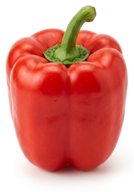 Red bell pepper
Use the same weight; roast and peel for a smoother paste, or chop raw for crunch. It is sweeter and less pungent.
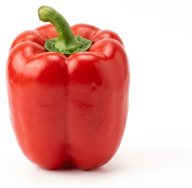 Red bell pepper or tomato
Use the same weight; tomato makes it wetter and more sour, so simmer a little longer.
 Yellow bell pepper
Use the same weight; it is sweeter and milder, so add a pinch of chilli if heat is wanted.

Similar dishes

- Same: Both dishes slow-cook lamb with onions, black cardamom, cinnamon, cloves, ground cumin, coriander, turmeric, and chilli powder.
- Different: Bhuna Gosht (II) roasts the meat down into a thick sauce using oil, bay leaves, and ginger paste, omitting the yogurt base, ghee, and variety of fresh, dried, yellow, and Kashmiri chillies used in this dish.

- Same: Both are slow-cooked lamb dishes cooked with onions, yogurt, garlic, ginger, turmeric, coriander, cinnamon, cloves, and black cardamom.
- Different: Nahari uses pungent mustard oil, adds black pepper, and thickens its gravy with roasted chickpea flour, whereas this dish uses ghee or vegetable oil and incorporates four varieties of chilli peppers without any flour thickener.

- Same: Both are slow-cooked lamb curries prepared with heavily caramelized onions and braised in a yogurt base seasoned with black cardamom, cinnamon, cloves, garlic, and green chillies.
- Different: Dahiwala Meat uses double the yogurt and significantly less cooking fat, adds garam masala and fresh ginger paste, but omits the dried red chillies, cumin, turmeric, and diverse chilli powders used here.

- Same: Malgoba shares lamb, ghee, yogurt, onion, black cardamom, clove, black peppercorn, ground coriander, turmeric, chilli powder and ginger with this dish, and it is also slow-simmered.
- Different: Malgoba uses far more yogurt added at the end plus plain flour as a thickener, while it lacks this dish's garlic paste, green chilli, dried red chilli, Kashmiri and yellow chilli powders, cinnamon, bell pepper and yogurt marinade, and it uses much less ghee.