Indian cooking
Indian cooking / Spice mixtures / Parsi Gos Ma Kari
Parsi Gos Ma Kari (Classic Parsi Mutton Curry with Cardamom, Curry Leaves and Tamarind Paste)

Parsi Gos Ma Kari

Classic Parsi Mutton Curry with Cardamom, Curry Leaves and Tamarind Paste
Non-vegetarianOrigin West India

A Parsi-style mutton curry made with a coconut and cashew masala paste, whole cardamom and curry leaves, then balanced with tamarind and jaggery. It is rich, aromatic and lightly tangy-sweet.

Serves4(the book: 4)

Masala paste

69 gBlended before cooking (step 1)
02
10 g2 tablespoons
spice
03
17 g2 tablespoons
nut/seed
04
2.9 g1 teaspoon
spice
05
Cashew nut · Kajusoaked in warm water for 30 minutes
~30 ghandful
nut/seed
Grind the dry spices first, then blend with the coconut, cashew, garlic, ginger and water until smooth.

Whole spices for the oil

3.4 gAdded to the hot oil before the onion (step 2)
02
2.5 g10 leaves
herb
Keep whole; add both to the oil together.

Ground turmeric for the lamb

3 gStirred in with the lamb (step 4)
01
3 g1 teaspoon
spice
Weigh ready to add with the lamb.

Finishing coriander

0 gScattered over the curry off the heat (step 7)
01
to taste
herb
Chop and keep ready to scatter at the end.

Everything else

01
54 g4 tablespoons
oil/fat
02
Onion · Pyazfinely chopped
200 g
vegetable
03
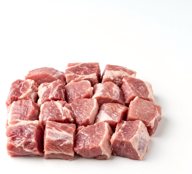
Lamb shoulder · Dastcut into bite-size pieces
750 g
meat
04
795 g800 ml
liquid
05
24 g4 teaspoons
souring agent
06
13 g1 tablespoon
sweetener
07
to taste
salt
08
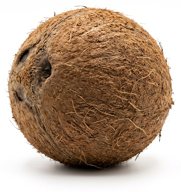
Coconut · Nariyalfreshly grated
50 g
fruit
09
Garlic · Lehsunroughly chopped
24 g8 cloves
aromatic
10
Fresh ginger · Adrakroughly chopped
20 g5 cm
aromatic
11
149 g150 ml
liquid

Method

  1. For the masala paste, grind 9 g dried kashmiri chilli, 10.2 g coriander seeds, 16.8 g white poppy seeds and 2.9 g black peppercorn to a fine powder. Add 50 g coconut, 30 g cashew (drained), 24 g garlic, 20 g fresh ginger root and 149 g water; blend until smooth. Leave in the bowl.
  2. Heat 54 g vegetable oil in a wide heavy pan over medium heat. Add the whole spices for the oil (0.9 g green cardamom pod, 2.5 g curry leaf); once they sizzle, stir in 200 g onion. Cook for 12–15 minutes, until softened and lightly coloured.
  3. Stir in the masala paste and cook for 3–4 minutes, stirring often and loosening anything caught on the base.
  4. Add the ground turmeric for the lamb (3 g ground turmeric) and 750 g bone-in lamb shoulder. Turn the lamb to coat, then cook for 4 minutes.
  5. Pour in 795 g water and season with salt to taste. Cover and simmer gently on low for 1 hour 15 minutes, stirring once halfway.
  6. When the lamb is tender, stir in 24 g tamarind paste and 12.6 g jaggery or light brown soft sugar. Partly cover and simmer for another 10 minutes.
  7. Take off the heat and scatter over the finishing coriander to taste.

Make it vegan

Instead of Lamb shoulder

  • Young jackfruit

    Use 90% of the meat weight, fried briefly in ghee; holds up beautifully to prolonged 30-minute braising without disintegrating.

  • Dried chickpea

    Use 40% of the meat weight dry; soak overnight, boil until tender, then simmer in the spiced gravy for 20 minutes.

  • Potato

    Use 80% of the meat weight, peeled and halved; add halfway through the sauce cooking time, finishing in 20 minutes.

Don't have something?

Vegetable oil
  • Peanut oil

    Use 1:1 by weight. Handles high-heat frying identically and introduces a very subtle, pleasant nuttiness.

  • Ghee

    Use 1:1 by weight. Yields a much richer, authentic aroma and a glossy, heavier mouthfeel.

  • Mustard oil

    Use 1:1 by weight. Heat until smoking, then cool slightly before cooking to temper its intensely pungent, sharp mustard kick.

Green cardamom pod
  • Green cardamom seed

    Use 35 to 40% of the total pod weight; lightly bruise the seeds before frying in oil to release their essential oils.

  • Ground green cardamom

    Use 20 to 25% of the pod weight (about 1 generous pinch per pod); stir in toward the end of cooking so the delicate floral notes do not dissipate.

  • White cardamom pod

    Use 1:1 by pod count or weight; crack gently before using, though it is slightly less intensely floral.

Curry leaf
  • Bay leaf

    Fry 1 bay leaf for every 5 curry leaves in hot oil; imparts a warm, woodsy background note, but misses the citrus-sulphury punch entirely.

  • Lime juice

    Add a small squeeze (about 5 ml per sprig of curry leaves) right before serving; provides sharp citrus top notes without the toasty, herbal aroma.

Onion
  • Shallot

    Use equal weight, finely sliced. Shallots soften and brown faster, giving a slightly sweeter and more delicate base to curries.

  • Cabbage

    Use 80% of the weight, finely shredded and browned slowly with a pinch of asafoetida. Replicates the bulk and natural sweetness in gravies without allium.

Ground turmeric
  • Ground ginger

    Use 50% of the weight. Mimics turmeric's warm, earthy, rhizome background, but provides none of the golden-yellow colour.

  • Saffron

    Steep a tiny pinch (0.1 g per 2 g turmeric) in 2 tbsp warm water; use to match the rich golden hue. Contributes an aristocratic, honeyed floral flavour rather than earthy bitterness.

Lamb shoulder
  • Lamb

    Use equal weight of diced lamb leg; cooks 15 minutes faster but has less gelatinous richness in slow braises.

  • Pork

    Use equal weight of pork shoulder; slow-cooks in roughly three-quarters of the time and produces a slightly sweeter gravy.

Water
  • Stock

    Use the same weight in savoury dishes; it adds body, so adjust salt.

  • Milk

    Use the same weight only in doughs or creamy dishes; it makes the result richer.

  • Coconut water

    Use the same weight in curries or rice; it adds sweetness and a faint coconut taste.

Tamarind paste
  • Tamarind pulp

    Use 120–150% of the weight and strain; pulp is less concentrated, so simmer a little longer to thicken.

  • Tamarind extract

    Use 150–200% of the weight and reduce gently; extract is already diluted.

  • Lime juice

    Use 60–70% of the weight with a pinch of jaggery; sharper, so add near the end off the heat.

Jaggery or light brown soft sugar
  • Jaggery

    Use the same weight, grated or chopped. It is deeper and more mineral, so the dish will taste stronger.

  • Light brown sugar

    Use the same weight. It is close in colour and mild molasses; dissolve fully.

  • Dark brown sugar

    Use 85–90% of the weight. It is stronger and darker, so reduce slightly and taste.

Coriander leaf
  • Coriander

    Use equal weight finely chopped; this is the exact same fresh herb.

  • Mint

    Use half the weight finely chopped; provides vibrant green freshness, though the flavour profile becomes noticeably cooler and sharper.

Dried kashmiri chilli
  • Kashmiri chilli powder

    Use 1 g powder for every 1.5 g whole dried chilli; whisk with a spoonful of warm water and stir into the masala to provide identical ruby colour and mild heat.

  • Dried red chilli

    Use 35% to 40% of the weight; discard seeds before tearing into oil to temper. Delivers a much fiercer heat, with significantly less red colouring.

Coriander seeds
  • Ground coriander

    Use 75% of the weight; stir in along with wet masala or tomato purée rather than frying in hot oil, as the fine powder burns instantly.

  • Cumin seed

    Use 50% of the weight for tempering in hot oil. Lacks the floral, sweet citrus flavour of coriander, introducing warm, pungent earthiness instead.

  • Fennel seed

    Use 50% of the weight in tempering; provides pleasant aromatic sweetness, though noticeably aniseedy rather than citrusy.

White poppy seeds
  • Poppy seed

    Use the same weight; grey seeds make a darker paste but taste close.

  • White sesame seed

    Use the same weight, lightly toasted; the paste is nuttier and less thickening.

  • Cashew nut paste

    For 10 g poppy seeds use about 15 g cashew nut paste; it thickens more, so reduce other thickeners.

Black peppercorn
  • Coarsely ground black pepper

    Use 75% of the weight. Add midway through simmering; spreads heat evenly through the dish instead of delivering isolated bursts.

  • Ground black pepper

    Use 50% of the weight. Stir in near the end of cooking; significantly darkens light gravies and provides an immediate, sharp bite.

Coconut
  • Fresh coconut

    Use equal weight freshly grated or diced. Delivers the identical sweet, milky taste and juicy texture.

  • Desiccated coconut

    Use 60% of the weight and soak in hot water or milk for 15 minutes before using. The finished dish will be slightly sweeter and less fibrous.

  • Dried coconut

    Finely grate and use 50% of the weight, soaked in hot water for 20 minutes. Yields a firmer chew and a denser, oilier coconut aroma.

Cashew nut
  • Almond

    Use 100% of the weight. Soak in boiling water and slip off skins before frying or grinding; gives a lighter, slightly less sweet richness to curries.

  • Poppy seed

    Use 60% of the weight for gravies. Soak in warm water and grind into a fine paste to thicken royal kormas without adding heavy oiliness.

  • Shelled peanut

    Use 100% of the weight. Roast, skin, and grind; creates a thicker, earthier texture typical of Maharashtrian and western Indian curries.

Garlic
  • Garlic paste

    Use equal weight. Fry gently in oil or ghee with the ginger; incorporates smoothly into curries without visible minced bits.

  • Garlic powder

    Use 15% to 20% of the weight (about 1 g for every 5 to 6 g fresh cloves). Whisk into sauces; gives a savoury, toasted garlic flavour without raw pungency.

  • Shallot

    Use 1.5 times the weight, very finely minced. Sauté until golden; provides savoury allium sweetness, though it lacks garlic's pungent sulphur bite.

Fresh ginger
  • Ginger paste

    Use equal weight. Sauté in hot fat until the raw allium smell disappears; slightly wetter, but provides identical warmth and pungency.

  • Ground ginger

    Use 20% to 25% of the weight (1 g for every 4 to 5 g fresh). Stir into the gravy; adds peppery heat and warmth, though it misses the crisp, zesty kick of raw root.