
Ondhiya
A classic Gujarati mixed vegetable pot, featuring fried root vegetables and savoury fenugreek dumplings simmered in a sweet, sour, and spiced coconut paste.
Dumpling seeds
0 gMixed into the dumpling dough (step 1)Spices for the masala paste
3 gMixed with the coconut and aromatics (step 3)Boiling spices
2 gTipped into the boiling water (step 5)Everything else

Method
- Combine 75 g chickpea flour, 50 g chopped fenugreek leaves, 4.2 g granulated sugar, 12 g finely chopped green chilli, 4.5 g vegetable oil, a pinch of salt, and the dumpling seeds in a mixing bowl, working them into a firm dough. Shape the mixture into 20 small dumplings by squeezing portions in your fist.
- Pour frying oil into a deep pan or kadhai and heat to 180°C (350°F), or until a cube of bread dropped in turns golden within 30 seconds. Fry the dumplings in batches for roughly 2 minutes until evenly browned, then transfer with a slotted spoon to a paper-towel-lined plate.
- In a small bowl, stir together 45 g grated coconut, 15 g chopped coriander leaf, 24 g finely chopped green chilli, 26 g tamarind extract, 4.2 g granulated sugar, and the spices for the masala paste, then set this mixture aside.
- Bring the frying oil back up to 180°C (350°F), then lower the flame to medium. Fry the 1200 g potato, 200 g cubed tubers, 3 cubed aubergines, and 16 sliced vegetables separately in batches for 7 to 8 minutes until partially tender, removing each batch to drain on kitchen paper.
- Pour 500 ml of water into a large pot and set over high heat to boil. Add the boiling spices along with 0.3 g bicarbonate of soda, then tip in 200 g diamond-cut beans and boil for several minutes until tender-crisp.
- Transfer the fried vegetables and the dumplings into the boiling pot in the sequence they were fried, cooking until all pieces are completely tender. Stir in the prepared coconut masala paste, drop the heat to low, cover with a lid, and simmer gently for 4 to 5 minutes, stirring occasionally. Season to taste with salt before taking off the heat.
Don't have something?


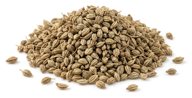 Carom seed
Use the same weight; this is the same spice.
 Cumin seed
Use 75% of the weight, toasted; different, less medicinal flavour.
 Fennel seed
Use 50% of the weight, crushed; sweeter and milder.



 Baking powder
Use 4 times the weight (1 g soda ≈ 4 g baking powder). It already contains acid, so reduce or omit added lemon or yogurt.
 Self-raising flour
For baking, swap plain flour plus soda for self-raising flour; omit the soda and adjust salt. Not suitable for recipes where soda is used for colour or texture.



 Green bean
Use the same weight; top and tail, cook for the same time. Very similar, perhaps slightly softer.
 French green bean
Use the same weight; trim and cook briefly. Fine and tender, so check sooner.
 Cluster bean
Use the same weight; slice and cook 2–3 minutes longer. Firmer texture and more vegetal.


 Potato
Use the same weight, cut to the same size. It is less sweet and holds shape better; add a pinch of sugar if the recipe relies on sweetness.
 Yam
Use the same weight, peeled and cut to size; it is drier and starchier, so cook a little longer and add extra liquid if needed.
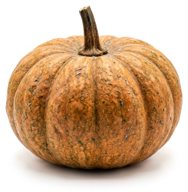 Pumpkin
Use the same weight, cut into chunks; it is softer and sweeter, so add it later and cook briefly to avoid collapsing.

 Eggplant
Use equal weight. Cut into large chunks; cooks down much faster (10-12 minutes) and softens into the sauce rather than staying starchy and firm.
 Paneer
Use 80% of the weight. Cube and add in the last 5-10 minutes of cooking; adds rich dairy protein instead of starchy bulk.
 Dried chickpea
Use 45% dry weight. Soak overnight and boil until fully soft before stirring into the sauce to simmer for 10 minutes.


 Raw banana
Use the same weight; peel and boil until tender. It behaves almost identically.
 Green plantain
Use the same weight; peel and cook a little longer. It is firmer and starchier.
- Potato
Use the same weight; cut to the same size. It is softer and less starchy, so the dish loses some body.


 Small aubergine
Use the same weight; cut into baby-aubergine-sized wedges. Cooking time is nearly the same, maybe 1 minute less.
 Aubergine
Use the same weight; cut into 3 cm cubes. It releases more water, so cook 3–4 minutes longer and adjust salt.
 Round aubergine
Use the same weight; quarter and cook 2 minutes longer. Flesh is softer and absorbs more oil.


 Yellow split pea flour
Use 100% of the weight. Many commercial gram flours are milled from split peas; performs identically in pakora batters and kadhi.
 Cornstarch
For crisping batters or binding cutlets: use 50% to 60% of the weight. Produces a very crisp shell but lacks the earthy, roasted nutty flavour of besan.


 Dried fenugreek leaf
Use 10% of the fresh weight, rub between the palms or soak in warm water for 5 minutes. More hay-like and less fresh-bitter; add near the end.
 Spinach
Use the same weight, chop and wilt. Gives leafy body but none of methi's bitter aroma; adjust salt and add a pinch of sugar.
 Fenugreek shoots
Use the same weight, chop finely and discard any tough stems. Milder and more tender; cook 2–3 minutes less.


 Jaggery
Use equal weight; grate or shave finely so it dissolves rapidly, giving a warm, caramel-like sweetness and slightly darker sauce.


 Chilli powder
Use 10 to 15% of the weight (about 1/4 teaspoon per chilli); imparts dry pungent heat and reddens the dish without the grassy crunch.
 Dried red chilli
Use 1 dried pod per fresh green chilli; snap in half and temper in hot oil for a deeper, toastier heat.


 White sesame seed
Use the same weight. Toast lightly before use; white seeds are milder and give a cleaner look.
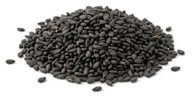 Black sesame seed
Use the same weight. They are stronger and more bitter; toast briefly and use slightly less if the dish is delicate.
 Peanut
Use the same weight, crushed or chopped. It gives crunch but not the same nutty sesame aroma.


 Peanut oil
Use 1:1 by weight. Handles high-heat frying identically and introduces a very subtle, pleasant nuttiness.
 Ghee
Use 1:1 by weight. Yields a much richer, authentic aroma and a glossy, heavier mouthfeel.
 Mustard oil
Use 1:1 by weight. Heat until smoking, then cool slightly before cooking to temper its intensely pungent, sharp mustard kick.


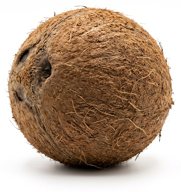
 Fresh coconut
Use equal weight freshly grated or diced. Delivers the identical sweet, milky taste and juicy texture.
 Desiccated coconut
Use 60% of the weight and soak in hot water or milk for 15 minutes before using. The finished dish will be slightly sweeter and less fibrous.
 Dried coconut
Finely grate and use 50% of the weight, soaked in hot water for 20 minutes. Yields a firmer chew and a denser, oilier coconut aroma.



 Tamarind
Use 180% of the weight of compressed tamarind; soak in three times its weight of boiling water for 15 minutes, knead, and strain out the thick pulp.
 Dried mango powder
Use 35% of the weight dissolved in two tablespoons of warm water. Provides sharp tang, though the resulting sauce will be lighter in colour.
 Lemon juice
Use equal weight, added right at the end of cooking. Adds sharp acidity without the deep brown hue or pulpy thickness.


 Ground ginger
Use 50% of the weight. Mimics turmeric's warm, earthy, rhizome background, but provides none of the golden-yellow colour.
 Saffron
Steep a tiny pinch (0.1 g per 2 g turmeric) in 2 tbsp warm water; use to match the rich golden hue. Contributes an aristocratic, honeyed floral flavour rather than earthy bitterness.


Similar dishes

- Same: Batata Vada shares potato, chickpea flour, green chilli, turmeric, vegetable oil and coriander with this dish.
- Different: Batata Vada is mashed spiced potato shaped into balls, coated in chickpea-flour batter and deep-fried, while this dish is a simmered mixed-vegetable pot with coconut, tamarind, sesame, sugar, fenugreek dumplings, sweet potato, green banana and aubergine, and Batata Vada uses lemon juice, cumin, asafoetida, curry leaf and garlic instead.

- Same: Both dishes feature potatoes cooked with chickpea flour, green chillies, and tamarind extract.
- Different: Sindhi Karhi roasts its chickpea flour into a soupy gravy base with tomatoes, curry leaves, ginger, and asafoetida, whereas this dish uses the flour for dumplings and adds coconut, sesame seeds, and ajwain.

- Same: Both dishes combine potatoes in a coconut and tamarind base spiced with ground turmeric and cooked with vegetable oil.
- Different: Ghashhi uses whole dried chickpeas and finishes with a mustard seed, curry leaf, and asafoetida tempering, whereas this dish uses chickpea flour to make dumplings and incorporates sesame seeds, ajwain, and green chillies.
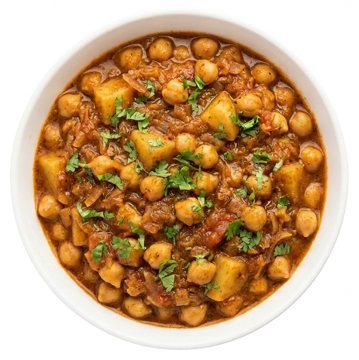
- Same: Both dishes feature potatoes seasoned with turmeric and finished with fresh coriander leaf.
- Different: Channa Masala simmers potatoes in a tomato-and-onion gravy with ginger, garlic, and ground cumin, lacking this dish's chickpea flour dumplings, coconut, tamarind, sesame seeds, and ajwain.