
Meen Moily
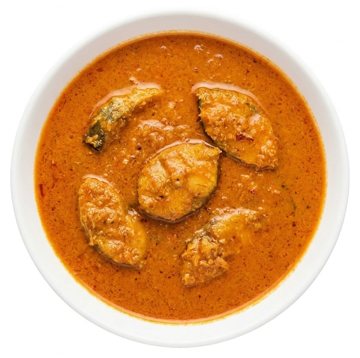
A fragrant, mildly spiced Kerala-style fish curry simmered in a luscious coconut milk gravy infused with fresh curry leaves and green chillies.
Spices for the paste
20 gBlended into the curry paste (step 2)Everything else

Method
- Cut 800 g fish into 1-cm (½-inch) slices and arrange in a shallow dish. Season with salt and a splash of lime juice, cover, and chill in the refrigerator for 30 minutes.
- Add the spices for the paste along with 12 g basmati rice, 300 g onion, 18 g garlic, and the remaining paste ingredients to a blender, processing until completely smooth.
- Warm 2 tbsp oil in a large, heavy pan over low-medium heat. Tip in the spice paste and cook for 3 to 4 minutes, stirring continuously until the oil begins to separate.
- Take the pan off the heat and gently whisk in 500 g coconut milk until incorporated. Stir in 4.8 g ginger, 24–36 g green chilli, 5 g curry leaf, and salt to taste, then return the pan to the stove and simmer for 3 to 4 minutes.
- Gently lay the marinated fish pieces into the sauce and simmer for about 7 minutes until cooked through. Remove from the heat and stir in the remaining lime juice before serving.
Don't have something?
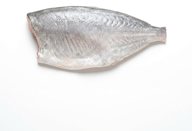
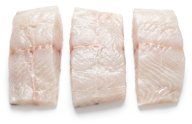 Firm white fish fillet
Use the same weight and reduce cooking by 3–5 minutes; keep the pieces large so they do not break up.
 Pomfret
Use the same weight, whole or in steaks; score the fish and cook slightly longer than fillets.
 Sole
Use the same weight and cook 2–3 minutes less; it is more delicate and breaks easily.



 Lemon juice
Use equal volume or weight; slightly sweeter and less pungent, but otherwise an imperceptible swap.
 Dried mango powder
Use 25% of the weight; imparts dry, fruity sourness, best stirred in right at the end of cooking.
 Tamarind extract
Use 50% of the weight; delivers pleasant fruity tang but turns pale sauces considerably darker.


 Mustard oil
Use the same weight. Heat until smoking, then cool for 2 minutes before cooking; it is pungent and changes the flavour strongly.
 Groundnut oil
Use the same weight. It is neutral, so add 1 tsp toasted sesame seeds for aroma.
 Vegetable oil
Use the same weight. It is neutral and lacks sesame flavour; finish with a few drops of toasted sesame oil if you have it.


 Single cream
Use equal weight; simmer gently over low heat to prevent curdling. Imparts a comparable rich texture, though it adds dairy richness without any coconut fragrance.
 Cashew paste
Whisk 1 part cashew paste with 2 parts water to match the consistency, then use equal weight. Provides a thick, velvety body without coconut flavour.
 Whole milk
Use equal weight, but reduce other cooking liquids by 20% to compensate for the lower viscosity. The curry will be lighter and lack sweetness.


 Fresh ginger
Use equal weight; scrape off the skin and grate or finely julienne according to the recipe.
 Ginger paste
Use equal weight; stir straight into the sizzling aromatics, taking care as the extra moisture may spit.
 Ground ginger
Use 15 to 20% of the weight; add alongside ground spices, noting it imparts warm, dry heat rather than zesty freshness.


 Chilli powder
Use 10 to 15% of the weight (about 1/4 teaspoon per chilli); imparts dry pungent heat and reddens the dish without the grassy crunch.
 Dried red chilli
Use 1 dried pod per fresh green chilli; snap in half and temper in hot oil for a deeper, toastier heat.


 Bay leaf
Fry 1 bay leaf for every 5 curry leaves in hot oil; imparts a warm, woodsy background note, but misses the citrus-sulphury punch entirely.
- Lime juice
Add a small squeeze (about 5 ml per sprig of curry leaves) right before serving; provides sharp citrus top notes without the toasty, herbal aroma.


 Ground cumin
Use 70% of the weight; add with ground spices or sauce bases rather than hot oil tempering, where it scorches quickly and turns bitter.
 Black cumin seeds
Use equal weight for oil tempering. Delivers an earthy profile with an additional musky, smoky, and slightly bitter edge.
 Fennel seed
Use 60% of the weight for tempering; offers comparable warm aroma, but leans sweet and liquorice-like rather than savoury and earthy.


 Ground coriander
Use 75% of the weight; stir in along with wet masala or tomato purée rather than frying in hot oil, as the fine powder burns instantly.
- Cumin seed
Use 50% of the weight for tempering in hot oil. Lacks the floral, sweet citrus flavour of coriander, introducing warm, pungent earthiness instead.
- Fennel seed
Use 50% of the weight in tempering; provides pleasant aromatic sweetness, though noticeably aniseedy rather than citrusy.


 Cashew nut
Use equal weight. Soak in warm water for 20 minutes and grind to a smooth paste; produces an even creamier, slightly richer gravy than poppy seeds.
 White sesame seed
Use equal weight. Soak and grind finely; provides similar thickening and body with a slightly nuttier, faintly bitter edge.
 Almond
Use equal weight. Blanch, peel, and grind finely with a splash of water; lends a velvety body and gentle sweetness to gravies.


 Grated desiccated coconut
Use equal weight directly; it is the identical ingredient under a different label.
 Fresh coconut
Grate finely and use 130% to 140% of the weight to compensate for higher moisture; toast gently in a dry pan over low heat if a dry texture is needed.
 Dried coconut
Grate finely using a microplane and use equal weight. Offers a slightly oilier, toastier coconut profile.


 Roasted peanut
Use the same weight; adjust salt if they are already salted, and crush or grind as the recipe asks.
- Cashew nut
Use the same weight; they are richer and softer, so roast for a shorter time and reduce added fat.
- Almond
Use the same weight; blanch and peel for sauces, or chop for texture. They are firmer and less oily.


- Almond
Use 100% of the weight. Soak in boiling water and slip off skins before frying or grinding; gives a lighter, slightly less sweet richness to curries.
- Poppy seed
Use 60% of the weight for gravies. Soak in warm water and grind into a fine paste to thicken royal kormas without adding heavy oiliness.
 Shelled peanut
Use 100% of the weight. Roast, skin, and grind; creates a thicker, earthier texture typical of Maharashtrian and western Indian curries.


 Gram flour
Dry-roast on low until nutty and a shade darker; use the same weight and cool before mixing.
 Chickpea flour
Dry-roast likewise; use the same weight, though it may be slightly coarser.



 Plain boiled rice
Use 2.5 times the weight if substituting pre-cooked rice. Fold in gently at the end of the recipe; grains will be shorter and less fragrant.





 Coriander (cilantro) or basil
Use the same weight, choosing the coriander element if available. If only basil is available, expect a sweeter, more aniseed flavour.
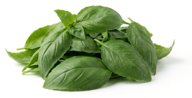 Basil leaves
Use the same weight. Basil is sweeter and more aromatic in a different way; add near the end so it keeps its perfume.
 Coriander paste
Use 1.5 times the weight and reduce other liquid slightly; it is less fresh and more concentrated, so taste before adding more.


 Dried kashmiri chilli
Use equal weight whole. Fry in hot oil or ghee as tempered spice; gives a richer red colour with slightly milder heat.
 Red chilli powder
Use 50% to 70% of the weight. Stir into the oil with ground spices; distributes heat evenly throughout the dish without whole chilli skins.

 Garlic paste
Use equal weight. Fry gently in oil or ghee with the ginger; incorporates smoothly into curries without visible minced bits.
 Garlic powder
Use 15% to 20% of the weight (about 1 g for every 5 to 6 g fresh cloves). Whisk into sauces; gives a savoury, toasted garlic flavour without raw pungency.
 Shallot
Use 1.5 times the weight, very finely minced. Sauté until golden; provides savoury allium sweetness, though it lacks garlic's pungent sulphur bite.


Similar dishes
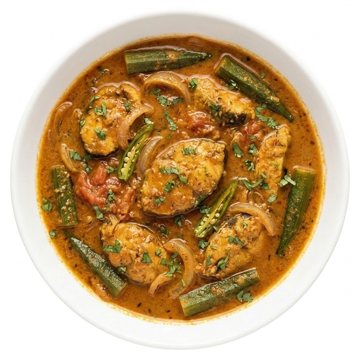
- Same: Both curries feature fish cooked in a coconut base with onions, garlic, green chillies, dried red chillies, cumin seeds, and coriander seeds.
- Different: Goan Fish Curry (I) incorporates tomatoes, turmeric, vegetable oil, tamarind extract, and lemon juice, but omits the ginger, curry leaves, poppy seeds, and rice used in this dish.
- Same: Both recipes simmer fish in a spiced coconut gravy made with onions, garlic, coriander seeds, and dried red chillies.
- Different: Goan Fish Curry (II) incorporates tamarind extract and turmeric while omitting the ginger, green chillies, curry leaves, cumin, poppy seeds, and rice thickener found in this dish.

- Same: Poshto Maachh also cooks fish with poppy seeds, cumin, coriander seeds, curry leaves, and a mix of green and dried red chillies.
- Different: Poshto Maachh is fried in pungent mustard oil with turmeric and sugar, omitting the ginger, garlic, basmati rice, and large amount of onions used in this dish.

- Same: Goan Fish Caldine and this dish are both coconut-milk fish curries built on onion, garlic, ginger, green chilli, cumin seed and coriander seeds.
- Different: Goan Fish Caldine uses cod, tomato, tamarind paste, Goan vinegar, turmeric and vegetable oil, and it lacks this dish's lime juice, sesame oil, curry leaves, poppy seed, desiccated coconut, peanuts, cashews, roasted gram flour and basmati rice.