Indian cooking
Indian cooking / Dishes / Goan Fish Curry (II)
Goan Fish Curry (II) (Goan Fish Curry (II))

Goan Fish Curry (II)

Non-vegetarian●●●Origin CoastalPrep 30 minutes, plus standing and soaking timeCook 20 minutes

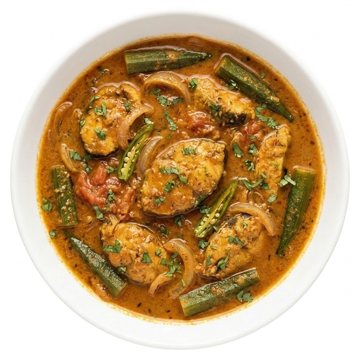
A fragrant, tangy Goan curry of tender fish simmered in a coconut, chilli, and tamarind gravy.

Fish marinade spice

1.5 gRubbed onto the fish (step 1)
01
1.5 g½ teaspoon
spice
Keep as is; rub onto the fish along with salt.

Paste spices

9 gBlended with the coconut (step 2)
01
6 g6 chillies
spice
02
3.4 g2 teaspoons
spice
Soak the chillies in warm water, then drain and combine with the coriander seeds.

Everything else

01
600 g
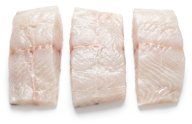
fish
02
12 g2 tablespoons
fruit
03
14 g1 tablespoon
oil/fat
04
18 g6 cloves
aromatic
05
Onion · Pyazlarge, chopped
150 g1 onion
vegetable
07
to taste
salt

Method

  1. Coat 600 g skinless, trimmed fish with the fish marinade spice and salt to taste, then cover and refrigerate for 30 minutes.
  2. Soak the dried red chillies from the paste spices in warm water for 15 minutes, then drain, saving the water, and remove the seeds. Blend the paste spices, 0.3 g ground spice, 12 g fresh coconut, and a splash of the reserved soaking liquid into a fine, smooth puree.
  3. Heat 13.5 g vegetable oil in a wide, heavy pan set over medium-low heat. Stir in 18 g garlic, 150 g onion, and the blended spice paste, frying gently without letting anything take on colour.
  4. Add 500 ml water to the pan and bring it to a boil, then turn the heat down. Add the marinated fish, 5.2 g tamarind extract, and salt to taste, then simmer gently for 10 minutes until the fish is thoroughly cooked.

Don't have something?

Firm white fish fillet
  • Firm white fish

    Use the same weight, clean and cut into fillet-sized pieces. Cooking time is the same; remove any bones.

  • Firm fish fillet

    Use the same weight. Check thickness; thick pieces may need 2–3 minutes more simmering.

  • Skinless firm white fish fillet

    Use the same weight. Skinless flakes more; handle gently and add late.

Ground turmeric
  • Ground ginger

    Use 50% of the weight. Mimics turmeric's warm, earthy, rhizome background, but provides none of the golden-yellow colour.

  • Saffron

    Steep a tiny pinch (0.1 g per 2 g turmeric) in 2 tbsp warm water; use to match the rich golden hue. Contributes an aristocratic, honeyed floral flavour rather than earthy bitterness.

Dried red chilli
  • Dried kashmiri chilli

    Use equal weight whole. Fry in hot oil or ghee as tempered spice; gives a richer red colour with slightly milder heat.

  • Red chilli powder

    Use 50% to 70% of the weight. Stir into the oil with ground spices; distributes heat evenly throughout the dish without whole chilli skins.

Coriander seeds
  • Ground coriander

    Use 75% of the weight; stir in along with wet masala or tomato purée rather than frying in hot oil, as the fine powder burns instantly.

  • Cumin seed

    Use 50% of the weight for tempering in hot oil. Lacks the floral, sweet citrus flavour of coriander, introducing warm, pungent earthiness instead.

  • Fennel seed

    Use 50% of the weight in tempering; provides pleasant aromatic sweetness, though noticeably aniseedy rather than citrusy.

Ground mace or nutmeg
  • Ground nutmeg

    Use the same weight; if the recipe means mace, nutmeg is slightly sweeter and stronger.

  • Ground mace

    Use the same weight; if the recipe means nutmeg, mace is softer and more delicate.

  • Nutmeg

    Grate the same weight fresh; it is more pungent and aromatic.

Fresh coconut
  • Desiccated coconut

    Use 50% to 60% of the weight, soaked in equal parts warm water for 15 minutes before grinding. Works well for chutneys, though texture is slightly finer and sweeter.

  • Coconut milk

    Use 1.2 times the weight in curries. Adds creamy richness and authentic flavour, but makes gravies smoother and eliminates the grated, chewy mouthfeel.

Vegetable oil
  • Peanut oil

    Use 1:1 by weight. Handles high-heat frying identically and introduces a very subtle, pleasant nuttiness.

  • Ghee

    Use 1:1 by weight. Yields a much richer, authentic aroma and a glossy, heavier mouthfeel.

  • Mustard oil

    Use 1:1 by weight. Heat until smoking, then cool slightly before cooking to temper its intensely pungent, sharp mustard kick.

Garlic
  • Garlic paste

    Use equal weight. Fry gently in oil or ghee with the ginger; incorporates smoothly into curries without visible minced bits.

  • Garlic powder

    Use 15% to 20% of the weight (about 1 g for every 5 to 6 g fresh cloves). Whisk into sauces; gives a savoury, toasted garlic flavour without raw pungency.

  • Shallot

    Use 1.5 times the weight, very finely minced. Sauté until golden; provides savoury allium sweetness, though it lacks garlic's pungent sulphur bite.

Onion
  • Shallot

    Use equal weight, finely sliced. Shallots soften and brown faster, giving a slightly sweeter and more delicate base to curries.

  • Cabbage

    Use 80% of the weight, finely shredded and browned slowly with a pinch of asafoetida. Replicates the bulk and natural sweetness in gravies without allium.


Tamarind extract
  • Tamarind

    Use 180% of the weight of compressed tamarind; soak in three times its weight of boiling water for 15 minutes, knead, and strain out the thick pulp.

  • Dried mango powder

    Use 35% of the weight dissolved in two tablespoons of warm water. Provides sharp tang, though the resulting sauce will be lighter in colour.

  • Lemon juice

    Use equal weight, added right at the end of cooking. Adds sharp acidity without the deep brown hue or pulpy thickness.

Similar dishes

Goan Fish Curry (I)
Goan Fish Curry (I) has a richer, creamier body with a brighter, layered tang from tomatoes and lemon juice alongside the tamarind.
  • Same: Both dishes simmer fish in vegetable oil with a base of fresh coconut, onion, garlic, dried red chillies, coriander seeds, turmeric, and tamarind extract.
  • Different: Goan Fish Curry (I) uses substantially more coconut and onions, adding fresh tomatoes, green chillies, cumin seeds, coriander leaves, and lemon juice.
Goan Fish Caldine
Coconut Fish Curry with Green Chilli, Cumin and Tamarind
Goan Fish Caldine tastes softer and more gently sour from tamarind and vinegar, with cumin and pepper warmth and green chilli-coriander lift, compared with this dish’s tangy coconut, dried red chilli and tamarind gravy.
  • Same: Goan Fish Caldine and this dish are both coconut-based Goan fish curries with turmeric, tamarind, onion, garlic, coriander seeds and vegetable oil.
  • Different: Goan Fish Caldine uses coconut milk, tomato, ginger, green bird’s eye chilli, cumin seed, black peppercorn, Goan vinegar, sugar and coriander leaf, while this dish uses fresh coconut, dried red chilli, mace or nutmeg and more onion, with no tomato, ginger, vinegar, cumin, pepper or green chilli.
Kane Kari
Curried Ladyfish
Kane Kari tastes more herbal and earthy without the rich coconut creaminess or tangy sourness of this dish.
  • Same: Kane Kari shares the same foundation of onion, garlic, and vegetable oil spiced with dried red chillies, turmeric, and coriander seeds.
  • Different: Kane Kari includes cumin seeds and curry leaves but omits the fresh coconut and tamarind extract found in this dish.
Lal Machhali
Fish in Red Chilli Chutney
Lal Machhali tastes tangy from lime and vinegar with a little sugar and fiery from red chilli, whereas this dish gets its tang from tamarind and has onion and fresh coconut in the gravy.
  • Same: Lal Machhali shares with this dish a firm white fish simmered in a coconut and dried red chilli gravy, and both use vegetable oil, garlic, turmeric and salt.
  • Different: Lal Machhali uses desiccated coconut, lime juice, malt vinegar and sugar and has no onion, coriander seeds, mace or tamarind, while this dish uses fresh coconut, tamarind extract, onion, coriander seeds and mace.