
Poshto Maachh
A classic Bengali-style fish curry coated in a rich, nutty poppy seed and mustard oil sauce with a gentle chilli warmth.
Fish rub
3 gRubbed onto the fish (step 1)Chilli for frying
4 gFried in the hot oil (step 2)Paste seeds
16 gBlended into the sauce base (step 3)Everything else

Method
- Divide 500 g trimmed fish into uniform pieces, place in a wide dish, and coat thoroughly with the fish rub and a pinch of salt. Cover and set aside.
- Warm 67.5 g mustard oil in a heavy pan over high heat, then lower the flame. Add the chilli for frying and 2.5 g curry leaf, gently stir-fry for 2 minutes, then remove from the heat and allow to cool.
- Move the cooled chillies and curry leaves into a blender jar, keeping the oil in the pan. Add the paste seeds and 12–18 g green chilli, de-seeded and chopped, then blitz into a completely smooth puree, incorporating a little water if needed to help it blend.
- Place the pan with the flavoured oil back over high heat. Add the pureed spice paste and fry briskly for 1 minute, adding a splash of water if it begins to stick.
- Pour in 125 ml water, bring to a boil, then stir in 4.2 g granulated sugar and salt to taste. Lay the marinated fish into the bubbling sauce, drop the heat to low, and simmer uncovered for 7 to 8 minutes until the fish flakes easily.
Don't have something?


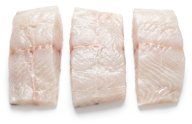 Firm white fish fillet
Use the same weight. If thicker than the flat fillet, cook 2–3 minutes longer per side.
 Sole
Use the same weight. It is delicate, so reduce cooking time by 1–2 minutes and handle gently.
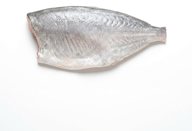 Pomfret or haddock fillet
Use the same weight. Haddock is firmer, so cut into similar-thickness pieces so it cooks evenly.


 Ground ginger
Use 50% of the weight. Mimics turmeric's warm, earthy, rhizome background, but provides none of the golden-yellow colour.
 Saffron
Steep a tiny pinch (0.1 g per 2 g turmeric) in 2 tbsp warm water; use to match the rich golden hue. Contributes an aristocratic, honeyed floral flavour rather than earthy bitterness.


 Peanut oil
Use equal weight. It handles high-heat cooking well, but lacks the signature pungent, nasal heat of mustard oil.
 Vegetable oil
Use equal weight. Neutral in flavour, so your curry will lack the characteristic Bengali or North Indian pungent punch.


 Dried kashmiri chilli
Use equal weight whole. Fry in hot oil or ghee as tempered spice; gives a richer red colour with slightly milder heat.
 Red chilli powder
Use 50% to 70% of the weight. Stir into the oil with ground spices; distributes heat evenly throughout the dish without whole chilli skins.


 Bay leaf
Fry 1 bay leaf for every 5 curry leaves in hot oil; imparts a warm, woodsy background note, but misses the citrus-sulphury punch entirely.
 Lime juice
Add a small squeeze (about 5 ml per sprig of curry leaves) right before serving; provides sharp citrus top notes without the toasty, herbal aroma.


 Ground coriander
Use 75% of the weight; stir in along with wet masala or tomato purée rather than frying in hot oil, as the fine powder burns instantly.
 Cumin seed
Use 50% of the weight for tempering in hot oil. Lacks the floral, sweet citrus flavour of coriander, introducing warm, pungent earthiness instead.
 Fennel seed
Use 50% of the weight in tempering; provides pleasant aromatic sweetness, though noticeably aniseedy rather than citrusy.


 Cashew nut
Use equal weight. Soak in warm water for 20 minutes and grind to a smooth paste; produces an even creamier, slightly richer gravy than poppy seeds.
 White sesame seed
Use equal weight. Soak and grind finely; provides similar thickening and body with a slightly nuttier, faintly bitter edge.
 Almond
Use equal weight. Blanch, peel, and grind finely with a splash of water; lends a velvety body and gentle sweetness to gravies.


 Ground cumin
Use 70% of the weight; add with ground spices or sauce bases rather than hot oil tempering, where it scorches quickly and turns bitter.
 Black cumin seeds
Use equal weight for oil tempering. Delivers an earthy profile with an additional musky, smoky, and slightly bitter edge.
- Fennel seed
Use 60% of the weight for tempering; offers comparable warm aroma, but leans sweet and liquorice-like rather than savoury and earthy.


 Chilli powder
Use 10 to 15% of the weight (about 1/4 teaspoon per chilli); imparts dry pungent heat and reddens the dish without the grassy crunch.
- Dried red chilli
Use 1 dried pod per fresh green chilli; snap in half and temper in hot oil for a deeper, toastier heat.


 Jaggery
Use equal weight; grate or shave finely so it dissolves rapidly, giving a warm, caramel-like sweetness and slightly darker sauce.

Similar dishes

- Same: Talela Bangda also features fish seasoned with ground turmeric, cumin seeds, coriander seeds, and dried red chilli.
- Different: Talela Bangda shallow-fries mackerel in vegetable oil with tamarind instead of simmering fish in a mustard oil and poppy seed gravy with curry leaves and green chillies.

- Same: Kane Kari is also a fish curry prepared with turmeric, cumin, coriander seeds, curry leaves, and dried red chillies.
- Different: Kane Kari uses onion, garlic, and vegetable oil instead of poppy seeds, green chillies, sugar, and mustard oil.

- Same: Machhali ka Qorma also features fish cooked with a poppy seed paste, turmeric, cumin seeds, and coriander seeds.
- Different: Machhali ka Qorma braises the fish in ghee with yogurt, browned onions, ginger-garlic paste, and sesame seeds, omitting this dish's mustard oil, curry leaves, sugar, and both green and dried chillies.

- Same: Masala Pomfret shares dried red chilli, cumin seed, sugar, salt and a fried fish base with this dish.
- Different: Masala Pomfret uses whole pomfret, vegetable oil, vinegar, garlic and ginger, and lacks this dish's poppy seed, mustard oil, turmeric, curry leaf, coriander seed and green chilli.