Indian cooking
Indian cooking / Dishes / Hare Jhinga
Hare Jhinga (Prawns (Shrimp) in Green Chutney)

Hare Jhinga

Prawns (Shrimp) in Green Chutney
Non-vegetarian●●●Origin PunjabPrep 40 minutes, plus marinating timeCook 15 minutes

Succulent skewered prawns bathed in a vibrant herb purée and a spiced yoghurt marinade, then flame-grilled until lightly charred. The fresh mint, green chillies, and ajwain impart a bright, herbaceous heat rounded out by rich dairy.

Ginger and garlic pastes

31 gDivided between the first marinade and the yoghurt mixture (steps 2 and 3)
Mix together; half goes into the initial marinade and the rest into the yoghurt.

Spices for the yoghurt marinade

5 gWhisked into the yoghurt marinade (step 3)
02
1 g½ teaspoon
spice
03
1.3 g½ teaspoon
spice blend
Combine evenly before adding to the bowl.

Everything else

01
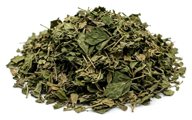
3.8–5 g15–20 leaves
herb
03
4.5 g3 tablespoons
herb
04
36–48 g6–8 chillies
vegetable
05
31 g2 tablespoons
souring agent
06
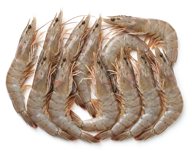
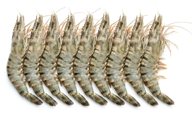
Large prawn · Jhingapeeled, deveined, rinsed and patted dry with kitchen paper (paper towels), heads removed but tails left intact
400 g20 prawns
seafood
08
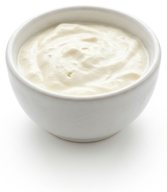
59 g4 tablespoons
dairy
09
50 g1 egg
egg
10
114 g125 ml
oil/fat
11
to taste
dairy
12
to taste
salt

Method

  1. Put 3.8–5 g curry leaf, 20 g coriander leaf, 3 tablespoon mint, 36–48 g green chilli, and salt to taste into a blender or mortar. Process or pound to a smooth paste, drizzling in a little water if needed, then set aside.
  2. In a wide mixing bowl, blend half of the ginger and garlic pastes with 2 tablespoon dried fenugreek and 30.6 g lime juice. Add 20 prawns and coat thoroughly. Cover and leave to marinate for 20 minutes.
  3. In another bowl, whisk together 200 g yoghurt and 4 tablespoon cream with a fork. Whisk in the prepared green paste, 1 beaten egg, the remaining ginger and garlic pastes, the spices for the yoghurt marinade, and 114 g vegetable oil.
  4. Lift the prawns out of their initial marinade, let the excess liquid drip away, and fold them into the spiced yoghurt mixture. Cover and chill in the refrigerator for 1 hour.
  5. Prepare a charcoal grill, tandoor, or domestic oven grill (broiler) to moderate heat. Thread the marinated prawns onto metal skewers and spoon any remaining marinade over them.
  6. Grill the skewers for 8–10 minutes, rotating as necessary, until the prawns turn opaque and firm without overcooking.
  7. Hang or rest the skewers over a tray for 5 minutes to let surplus juices drain off. Brush the prawns with melted butter to taste, then return them to the tandoor or grill for 2 minutes to brown.

Don't have something?

Curry leaf
  • Bay leaf

    Fry 1 bay leaf for every 5 curry leaves in hot oil; imparts a warm, woodsy background note, but misses the citrus-sulphury punch entirely.

  • Lime juice

    Add a small squeeze (about 5 ml per sprig of curry leaves) right before serving; provides sharp citrus top notes without the toasty, herbal aroma.

Coriander leaf
  • Coriander

    Use equal weight finely chopped; this is the exact same fresh herb.

  • Mint

    Use half the weight finely chopped; provides vibrant green freshness, though the flavour profile becomes noticeably cooler and sharper.

Mint
  • Dried mint

    Use about 30% of the weight of fresh mint. Rub between your palms to crush before stirring in; the flavour will be more intensely herbal and less bright.

  • Coriander leaf

    Use equal weight, finely chopped. Adds fresh citrusy green notes, but lacks the cooling menthol lift.

Green chilli
  • Chilli powder

    Use 10 to 15% of the weight (about 1/4 teaspoon per chilli); imparts dry pungent heat and reddens the dish without the grassy crunch.

  • Dried red chilli

    Use 1 dried pod per fresh green chilli; snap in half and temper in hot oil for a deeper, toastier heat.

Ginger paste
  • Fresh ginger

    Use equal weight; peel and grate very finely on a microplane or pound to a fine paste in a mortar.

  • Ginger

    Use equal weight; mince finely and crush with the flat of a knife before frying.

  • Ground ginger

    Use 20% of the weight; add directly with the dry spice powders, though it yields an earthier, less pungent profile.

Garlic paste
  • Garlic

    Use equal weight; crush or finely grate to a smooth pulp to replicate the same fresh, pungent moisture in your base gravy.

  • Garlic powder

    Use 20 to 25% of the weight; mix with a teaspoon of water before adding to oil so it does not burn, noting it lacks the fresh bite.

Ground dried fenugreek leaves
Lime juice
  • Lemon juice

    Use equal volume or weight; slightly sweeter and less pungent, but otherwise an imperceptible swap.

  • Dried mango powder

    Use 25% of the weight; imparts dry, fruity sourness, best stirred in right at the end of cooking.

  • Tamarind extract

    Use 50% of the weight; delivers pleasant fruity tang but turns pale sauces considerably darker.

Large prawn
  • King prawn

    Use the same weight; cooking time is the same. Peel and devein as needed.

  • Tiger prawn

    Use the same weight; same cooking time, but slit the back if very thick.

  • Small prawn

    Use the same weight; reduce cooking by 1–2 minutes so they do not toughen.

Hung yoghurt
  • Hung natural yoghurt

    Use the same weight. The names are used interchangeably; check seasoning.

  • Greek yoghurt

    Use the same weight. It is thick enough for marinades and raitas, with a slightly sharper taste.

  • Full-fat natural yoghurt

    Use about 175% of the weight and strain through muslin for 3–4 hours to get the same thick weight.

Cream
  • Double cream

    Use the same weight. Richer and thickens well; do not boil hard or it may split.

  • Single cream

    Use the same weight. Thinner; reduce other liquid or simmer the sauce to thicken.

  • Full cream milk

    Use 80% of the weight. No thickening; simmer to reduce and add a little ghee for richness.

Egg
  • Chickpea flour

    For binding, use about 10 g chickpea flour mixed with 20 ml water per egg and rest for 10 minutes. Denser and nuttier; not suitable for baking or coating in the same way.

  • Full-fat natural yoghurt

    Use about 30 g per egg for moisture and binding in koftas or fillings. Adds tang and softness; will not set or glaze like egg.

  • Tofu

    Use the same weight, mashed, for egg-like bulk in curries. Soft and bland; add extra spices and do not expect it to bind.

Yellow chilli powder
  • Green chilli

    Use 100% of the weight, finely minced or ground into a smooth paste. Provides sharp heat while preserving the light colour of delicate kormas.

  • Kashmiri chilli powder

    Use 50% to 75% of the weight. It brings mild heat but will turn pale or white sauces noticeably orange-red.

  • Red chilli powder

    Use 50% of the weight. Gives strong, sharp heat, but will stain cream-based or yellow Mughlai gravies red.

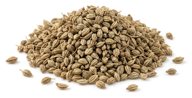
Ajwain seed
  • Carom seed

    Use the same weight; this is the same spice.

  • Cumin seed

    Use 75% of the weight, toasted; different, less medicinal flavour.

  • Fennel seed

    Use 50% of the weight, crushed; sweeter and milder.

Garam masala
  • Ground cumin

    Use 50% of the weight mixed with equal parts ground coriander and a pinch of ground cinnamon, ground cloves, and ground green cardamom. Sprinkle near the end for a warming finish.

  • Lentil stew spice mix

    Use 75% of the weight. Simmer briefly in the gravy; imparts roasted warmth and complexity, though it adds a slight tang and earthy lentil undertone.

Vegetable oil
  • Peanut oil

    Use 1:1 by weight. Handles high-heat frying identically and introduces a very subtle, pleasant nuttiness.

  • Ghee

    Use 1:1 by weight. Yields a much richer, authentic aroma and a glossy, heavier mouthfeel.

  • Mustard oil

    Use 1:1 by weight. Heat until smoking, then cool slightly before cooking to temper its intensely pungent, sharp mustard kick.

Melted unsalted butter
  • Melted butter

    Use the same weight, but if salted reduce added salt by about 1 g per 100 g butter.

  • Melted ghee

    Use the same weight; nuttier and no salt. Good for tadka and rich curries.

  • Vegetable oil

    Use 80% of the weight; no dairy taste. Add a little butter flavour if possible.

Similar dishes

Karhai Jhinga
Stir-fried Prawns (Shrimp)
Karhai Jhinga is intensely tangy and rich from cooked tomatoes and lemon juice, whereas this dish is lighter, smokier, and dominated by fresh herb heat.
  • Same: Karhai Jhinga also features prawns cooked with ajwain, garam masala, green chillies, ginger, garlic, and fresh coriander.
  • Different: Instead of flame-grilling prawns in a green purée of mint, curry leaves, and lime juice, Karhai Jhinga stir-fries them with onions, tomatoes, coriander seeds, dried red chillies, and ground fenugreek in ghee or vegetable oil.
Ajwaini Jhinga
Marinated Tiger Prawns (Shrimp)
Ajwaini Jhinga tastes creamier, nuttier, and significantly milder, lacking the sharp herbaceous heat and sour citrus tang of this dish.
  • Same: Both dishes feature prawns cooked over high heat using vegetable oil, ajwain seeds, ginger paste, garlic paste, and salt.
  • Different: Ajwaini Jhinga incorporates chickpea flour and plain yogurt, but it omits the mint, coriander, curry leaves, green chillies, yellow chilli powder, garam masala, and lime juice used in this dish.
Jhinga Adraki
Grilled (Broiled) Ginger Prawns (Shrimp)
Jhinga Adraki tastes sharper and more ginger-forward with mustard-oil pungency and turmeric, while this dish is more herbaceous, green-chilli hot, and rounded by cream and egg.
  • Same: Jhinga Adraki shares with this dish skewered prawns, a hung yoghurt marinade, yellow chilli powder, ginger paste, melted butter, salt, and a souring juice, then a quick grill.
  • Different: Jhinga Adraki lacks this dish's mint, coriander, curry leaf, green chilli, ajwain, egg, cream, garam masala, and dried fenugreek, and it uses mustard oil instead of vegetable oil plus ground ginger and turmeric.
Konju Masala
Spicy Prawn (Shrimp) Curry
Konju Masala offers a rich, tangy tomato and coconut gravy instead of the charred, bright herbal heat found in this dish.
  • Same: Both dishes feature prawns cooked with ginger, garlic, green chillies, and curry leaves.
  • Different: Konju Masala is simmered as a curry using tomatoes, onions, and coconut milk, whereas this dish is skewered and flame-grilled with mint, fresh coriander, ajwain, and lime juice.