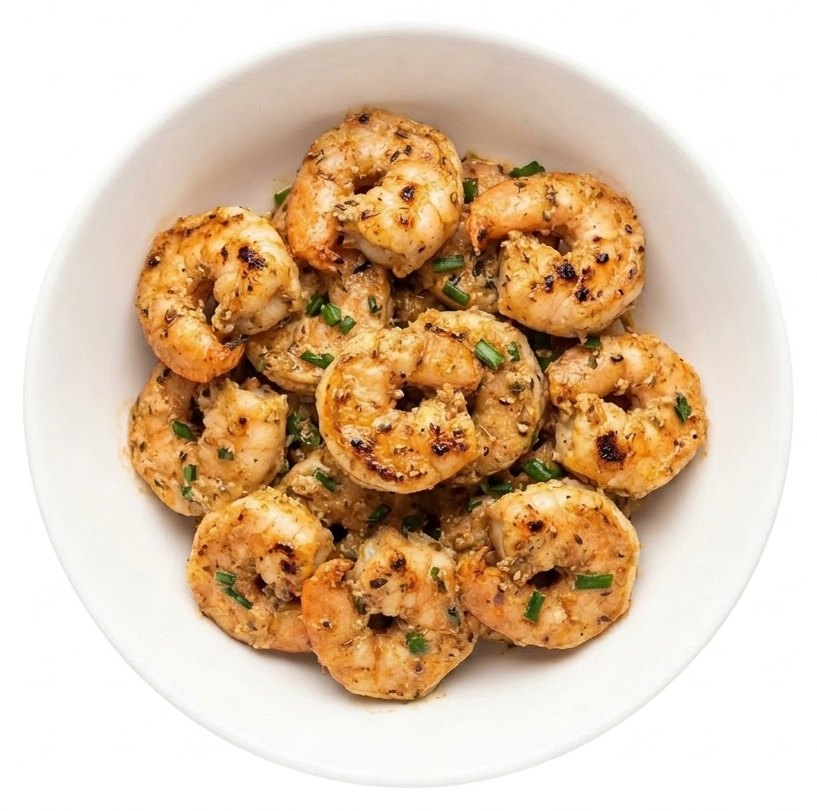
Ajwaini Jhinga
Succulent tiger prawns coated in a roasted chickpea and yoghurt marinade accented with the herbal, thyme-like warmth of ajwain seeds. Cooked over high heat, they emerge tender, juicy, and lightly charred.
marinade aromatics
17 gStirred into the yoghurt marinade (step 3)Everything else

Method
- Place 12 peeled and deveined tiger prawns into a non-reactive bowl, toss with the juice of 1 lime and a pinch of salt, then set aside.
- Warm 2 tablespoons of the 54 g vegetable oil in a heavy skillet over low heat, add 2 tablespoon chickpea flour, and stir continually until lightly browned and fragrant. Take off the heat and let cool completely.
- Whisk together 240 g plain yogurt, 3 teaspoon paprika, the cooled chickpea mixture, the remainder of the vegetable oil, the marinade aromatics, and salt to taste in a mixing bowl until smooth.
- Fold the prawns into the yoghurt marinade, scatter over 50 g chopped chives, then cover and chill in the refrigerator for 20 minutes.
- Heat a barbecue, tandoor, or overhead grill to moderately hot. Cook the prawns for approximately 10 minutes, turning as needed until opaque and cooked through, and serve hot with salad.
Don't have something?
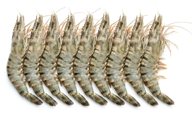
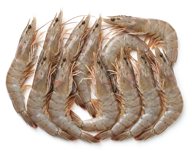 King prawn
Use the same weight; cook 2–3 minutes until just pink. Same sweetness and bite.
 Large prawn
Use the same weight; slightly less sweet, so cook 1 minute less.
 Small prawn
Use the same weight; they cook in 1–2 minutes, so add them later.


 Lemon
Use the same weight; sharper and less floral, so reduce any extra souring slightly.
 Lemon juice
Use about 30 g juice per lime (2 tbsp), strain pips; add at the end for fresh sourness.
 Dried mango powder
Use 1 g amchoor for about 15 g lime juice; add early with spices; gives dry mango sourness, not citrus aroma.


 Peanut oil
Use 1:1 by weight. Handles high-heat frying identically and introduces a very subtle, pleasant nuttiness.
 Ghee
Use 1:1 by weight. Yields a much richer, authentic aroma and a glossy, heavier mouthfeel.
 Mustard oil
Use 1:1 by weight. Heat until smoking, then cool slightly before cooking to temper its intensely pungent, sharp mustard kick.


 Yellow split pea flour
Use 100% of the weight. Many commercial gram flours are milled from split peas; performs identically in pakora batters and kadhi.
 Cornstarch
For crisping batters or binding cutlets: use 50% to 60% of the weight. Produces a very crisp shell but lacks the earthy, roasted nutty flavour of besan.


 Yogurt
Use equal weight, whisked thoroughly until smooth before adding to hot dishes to prevent curdling.
 Coconut milk
Use equal weight with 1 teaspoon lemon juice mixed in. Provides rich creaminess in curries, but adds a noticeable coconut flavour.
 Single cream
Use 80% of the weight plus a squeeze of lemon juice for acidity. Enriches sauces nicely, though it is richer and less tangy.


 Kashmiri red chilli powder
Use the same weight for a similar mild colour; it has a little more heat, so taste as you go.
 Red chilli powder
Use 50–60% of the weight; it is much hotter, so add it gradually.
 Cayenne pepper
Use 25–40% of the weight; it gives heat but little colour, so it changes the look of the dish.


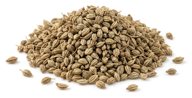 Carom seed
Use the same weight; this is the same spice.
 Cumin seed
Use 75% of the weight, toasted; different, less medicinal flavour.
 Fennel seed
Use 50% of the weight, crushed; sweeter and milder.


 Fresh ginger
Use equal weight; peel and grate very finely on a microplane or pound to a fine paste in a mortar.
 Ginger
Use equal weight; mince finely and crush with the flat of a knife before frying.
 Ground ginger
Use 20% of the weight; add directly with the dry spice powders, though it yields an earthier, less pungent profile.


 Garlic
Use equal weight; crush or finely grate to a smooth pulp to replicate the same fresh, pungent moisture in your base gravy.
 Garlic powder
Use 20 to 25% of the weight; mix with a teaspoon of water before adding to oil so it does not burn, noting it lacks the fresh bite.

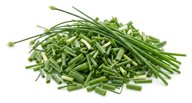
 Spring onion green
Use the same weight, sliced very fine; milder and fresher, with a similar allium note.
 Spring onion
Use the same weight but mostly the green parts; the white is sharper.
 Onion
Use 50% of the weight, chop very fine and rinse to soften the raw bite.


Similar dishes

- Same: Both dishes marinate prawns in yogurt, ginger paste, and garlic paste before cooking them under high heat until charred.
- Different: Zaaffran Kay Jheengey seasons king prawns with cream, lime, saffron, cardamom, and mace, omitting the chickpea flour, ajwain seeds, and vegetable oil found in this dish.

- Same: Hare Jhinga also uses prawns marinated with yogurt, vegetable oil, ginger paste, garlic paste, and ajwain seeds before high-heat grilling.
- Different: It omits the chickpea flour and marinates skewered prawns with coriander, mint, curry leaves, green chillies, garam masala, yellow chilli powder, and lime juice.

- Same: Konju Masala also features prawns seasoned with ginger and garlic paste.
- Different: Instead of prawns coated in yogurt and chickpea flour cooked over high heat, it is a simmered curry made with coconut milk, onions, tomatoes, curry leaves, coriander, and turmeric.

- Same: Both dishes feature prawns prepared with vegetable oil, ginger paste, and garlic paste.
- Different: Instead of coating prawns in a yogurt and chickpea flour marinade with ajwain seeds, Kurumulagail Verthatu Chemeen pan-fries them as a dry fry with onions, cornstarch, chilli powder, lemon juice, and black pepper.