Indian cooking
Indian cooking / Dishes / Karhai Jhinga
Karhai Jhinga (Stir-fried Prawns (Shrimp))

Karhai Jhinga

Stir-fried Prawns (Shrimp)
Non-vegetarian●●●Origin PunjabPrep 40–45 minutesCook 20 minutes

A vibrant, fast-cooking North Indian seafood dish where tender prawns are enveloped in a rich, tangy tomato sauce spiced with coarsely crushed coriander, chillies, and ajwain. Fresh ginger, green chillies, and a splash of lemon juice give it a sharp, aromatic finish.

Coarse spices

15 gStir-fried into the aromatics (step 2)
02
3.4 g2 teaspoons
spice
03
4 g2 teaspoons
spice
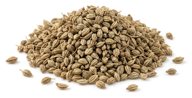
Coarsely crush the dried red chillies and coriander seeds using a mortar and pestle or spice grinder, then stir in the whole ajwain seeds.

Garlic paste

18 gStir-fried with the browned onions (step 2)
Keep smooth and ready to spoon into the pan.

Finishing spices

10 gScattered over the cooked prawns (step 4)
02
4.9 g1½ teaspoons
spice
Stir together until evenly blended.

Everything else

02
160 g
vegetable
03
750 g
vegetable
04
40 g
aromatic
05
Green chilli · Hari Mirchde-seeded and chopped
36 g6 chillies
vegetable
06
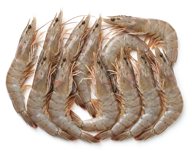
Prawn · Jhingapeeled, deveined, rinsed and patted dry with kitchen paper (paper towels), then heads and tails removed
750 g
seafood
07
61 g4 tablespoons
souring agent
08
6 g6 tablespoons
herb
09
to taste
salt

Method

  1. Warm 100 g ghee or vegetable oil in a wok or kadhai set over medium heat. Tip in 160 g chopped onion and fry gently for about 5 minutes, stirring frequently, until deep golden-brown.
  2. Stir in the garlic paste and cook for 15 seconds. Tip in the coarse spices and sauté for another 30 seconds until intensely fragrant.
  3. Turn the heat up to high and slide in 750 g chopped tomato together with three-quarters of both the 40 g chopped fresh ginger and 36 g chopped green chilli, setting aside the remainder for garnish. Lower the flame to medium and simmer for around 5 minutes, allowing the masala to thicken until oil beads along the edges.
  4. Slide in 750 g prawns and stir-fry for roughly 5 minutes until opaque, curled, and just cooked through. If too much liquid remains in the pan, crank the flame to high for 1 to 2 minutes to boil off the extra juices.
  5. Season with salt to taste, then scatter over the finishing spices, 61.2 g lemon juice, 5.9 g chopped coriander leaf, and the reserved fresh ginger and green chilli. Toss well to combine and take off the heat to serve immediately.

Don't have something?

Dried red chilli
  • Dried kashmiri chilli

    Use equal weight whole. Fry in hot oil or ghee as tempered spice; gives a richer red colour with slightly milder heat.

  • Red chilli powder

    Use 50% to 70% of the weight. Stir into the oil with ground spices; distributes heat evenly throughout the dish without whole chilli skins.

Coriander seeds
  • Ground coriander

    Use 75% of the weight; stir in along with wet masala or tomato purée rather than frying in hot oil, as the fine powder burns instantly.

  • Cumin seed

    Use 50% of the weight for tempering in hot oil. Lacks the floral, sweet citrus flavour of coriander, introducing warm, pungent earthiness instead.

  • Fennel seed

    Use 50% of the weight in tempering; provides pleasant aromatic sweetness, though noticeably aniseedy rather than citrusy.

Ghee or vegetable oil
  • Peanut oil

    Use equal weight; handles high tempering heat well and keeps flavours neutral.

  • Butter

    Use equal weight; cook over gentle heat to prevent browning the milk solids too quickly.

Onion
  • Shallot

    Use equal weight, finely sliced. Shallots soften and brown faster, giving a slightly sweeter and more delicate base to curries.

  • Cabbage

    Use 80% of the weight, finely shredded and browned slowly with a pinch of asafoetida. Replicates the bulk and natural sweetness in gravies without allium.

Garlic paste
  • Garlic

    Use equal weight; crush or finely grate to a smooth pulp to replicate the same fresh, pungent moisture in your base gravy.

  • Garlic powder

    Use 20 to 25% of the weight; mix with a teaspoon of water before adding to oil so it does not burn, noting it lacks the fresh bite.

Ajwain seed
  • Carom seed

    Use the same weight; this is the same spice.

  • Cumin seed

    Use 75% of the weight, toasted; different, less medicinal flavour.

  • Fennel seed

    Use 50% of the weight, crushed; sweeter and milder.

Tomato
  • Tomato purée

    Use 40% to 50% of the fresh tomato weight mixed with a splash of water. Imparts a deeper red colour, thicker sauce, and slightly sweeter cooked flavour.

  • Plain yogurt

    Use 60% of the weight, whisked smooth and added on low heat. Provides rich body and sourness, though the gravy becomes paler and creamier.

Fresh ginger
  • Ginger paste

    Use equal weight. Sauté in hot fat until the raw allium smell disappears; slightly wetter, but provides identical warmth and pungency.

  • Ground ginger

    Use 20% to 25% of the weight (1 g for every 4 to 5 g fresh). Stir into the gravy; adds peppery heat and warmth, though it misses the crisp, zesty kick of raw root.

Green chilli
  • Chilli powder

    Use 10 to 15% of the weight (about 1/4 teaspoon per chilli); imparts dry pungent heat and reddens the dish without the grassy crunch.

  • Dried red chilli

    Use 1 dried pod per fresh green chilli; snap in half and temper in hot oil for a deeper, toastier heat.

Prawn
  • King prawn

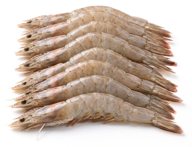
    Use the same weight; cut large ones into 2 cm pieces. Sweeter and firmer; cook 1–2 minutes longer.

  • Firm white fish fillet

    Use the same weight, cut into chunks. Add 3–4 minutes later; milder and less sweet, and it flakes easily.

  • Small prawn

    Use the same weight; they cook faster, so add 2 minutes later. More numerous and slightly sweeter.

Garam masala
  • Ground cumin

    Use 50% of the weight mixed with equal parts ground coriander and a pinch of ground cinnamon, ground cloves, and ground green cardamom. Sprinkle near the end for a warming finish.

  • Lentil stew spice mix

    Use 75% of the weight. Simmer briefly in the gravy; imparts roasted warmth and complexity, though it adds a slight tang and earthy lentil undertone.

Ground fenugreek
  • Fenugreek seeds

    Grind whole seeds finely in a spice grinder; use equal weight (1:1). Ensure it cooks through gently, as undercooked or burnt ground seeds become intensely bitter.

  • Dried fenugreek leaves

    Crush dried leaves between your palms and add towards the end; use 50% of the weight. Gives the unmistakable maple-herb aroma without the sharp bitterness of the seeds.

  • Yellow mustard seeds

    Grind finely; use 50% of the weight. Adds an earthy, sharp bite, though it lacks the distinctive sweet-curry smell.

Lemon juice
  • Lime juice

    Use equal volume or weight; delivers almost identical sharp acidity with a faintly more aromatic, bitter-edged profile.

  • Dried mango powder

    Use 25% of the weight (about 1 g amchoor for 4 g juice); provides clean fruity tartness without thinning the sauce.

  • White vinegar

    Use 75% of the volume; gives direct sourness without any citrus floral fragrance.

Coriander leaf
  • Coriander

    Use equal weight finely chopped; this is the exact same fresh herb.

  • Mint

    Use half the weight finely chopped; provides vibrant green freshness, though the flavour profile becomes noticeably cooler and sharper.

Similar dishes

Kadhai Jhinge
Stir-Fried Ginger & Green Chilli Prawns
Kadhai Jhinge tastes savoury, warm and lightly spicy with fresh ginger and coriander, while this dish is richer and more tangy from its tomato sauce and larger lemon juice quantity.
  • Same: Kadhai Jhinge shares prawns, onion, tomato, ginger, green chilli, coriander seeds, dried red chilli, carom/ajwain, lemon and salt with this dish.
  • Different: Kadhai Jhinge uses vegetable oil instead of ghee, far less tomato, ginger, green chilli and lemon, much more fresh coriander, and lacks garam masala and ground fenugreek.
Konju Masala
Spicy Prawn (Shrimp) Curry
Konju Masala tastes tangy from kokum and creamy from coconut milk, while this dish tastes sharper from lemon juice and has a coarsely spiced, ajwain-scented tomato sauce.
  • Same: Konju Masala and this dish are both prawn dishes built on onion, tomato, ginger, garlic, green chilli, and salt.
  • Different: Konju Masala uses coconut oil, coconut milk, kokum, curry leaves, ground coriander, chilli powder, and turmeric, while this dish uses ghee or vegetable oil, ajwain, dried red chilli, crushed coriander seeds, fenugreek, garam masala, and lemon juice.
Karhai Machhali
Stir-fried Spicy Fish
It has a sharper, more garlicky bite than this dish and lacks the mild sweetness provided by cooked onions.
  • Same: Both are quick stir-fries built on a base of tomatoes and lemon juice, seasoned with dried red chillies, coriander seeds, ajwain, and garam masala.
  • Different: Karhai Machhali features fish instead of prawns, leaves out the onions, and uses whole fenugreek seeds instead of ground fenugreek.
Hare Jhinga
Prawns (Shrimp) in Green Chutney
Hare Jhinga tastes more herbal, smoky, and grassy, lacking the deep tomato-rich acidity and toasted fenugreek notes of this dish.
  • Same: Hare Jhinga also features prawns cooked with ajwain, green chillies, ginger, garlic, garam masala, and citrus juice.
  • Different: Instead of being stir-fried in an onion-and-tomato sauce with fenugreek and coriander seeds, Hare Jhinga is coated in a mint, curry leaf, and lime marinade and flame-grilled on skewers.