Indian cooking
Indian cooking / Dishes / Jhinga Adraki
Jhinga Adraki (Grilled (Broiled) Ginger Prawns (Shrimp))

Jhinga Adraki

Grilled (Broiled) Ginger Prawns (Shrimp)
Non-vegetarian●●●Origin PunjabPrep 30 minutes, plus marinating timeCook 20 minutes

Succulent skewered prawns marinated in a sharp, double-ginger and yoghurt emulsion with the pungent warmth of tempered mustard oil. A quick grill yields tender, smoky shellfish finished with a glossy coat of melted butter.

Yoghurt marinade spices

25 gBeaten into the yoghurt base (step 1)
Keep together to stir straight into the yoghurt.

Turmeric for the hot oil

4.5 gBloomed in the smoking mustard oil (step 2)
01
4.5 g½ tablespoon
spice
Leave ready to tip into the hot oil.

Everything else

02
15 g1 tablespoon
souring agent
03
40 g3 tablespoons
oil/fat
04
Prawn · Jhingapeeled, deveined, rinsed and patted dry with kitchen paper (paper towels), heads removed but tails left intact
200 g20 prawns
seafood
05
to taste
dairy
06
to taste
salt

Method

  1. In a wide mixing bowl, whisk 250 g hung yoghurt until smooth, then blend in the yoghurt marinade spices, 15.3 g lemon juice, and salt to taste.
  2. Bring 40.5 g mustard oil to 180°C (350°F) in a small pan. Tip in the turmeric for the hot oil and immediately transfer the sizzling oil into the yoghurt mixture. Clamp a lid on tightly for 2 minutes to trap the aroma, then stir everything together.
  3. Submerge 20 prawns in the marinade, turning them until thoroughly covered. Cover and leave to absorb the flavours for 30 minutes.
  4. Heat an overhead grill (broiler), charcoal barbecue, or tandoor to medium. Secure the prawns along metal skewers and spread any residual marinade over the top.
  5. Grill the skewers for 8–10 minutes until the prawns turn opaque and are cooked through.
  6. Take the skewers off the heat and rest them suspended above a rimmed tray for 5 minutes so liquid drips away. Brush liberally with butter to taste, then return to the heat for another 2 minutes until sizzling.

Don't have something?

Hung yoghurt
  • Hung natural yoghurt

    Use the same weight. The names are used interchangeably; check seasoning.

  • Greek yoghurt

    Use the same weight. It is thick enough for marinades and raitas, with a slightly sharper taste.

  • Full-fat natural yoghurt

    Use about 175% of the weight and strain through muslin for 3–4 hours to get the same thick weight.

Yellow chilli powder
  • Green chilli

    Use 100% of the weight, finely minced or ground into a smooth paste. Provides sharp heat while preserving the light colour of delicate kormas.

  • Kashmiri chilli powder

    Use 50% to 75% of the weight. It brings mild heat but will turn pale or white sauces noticeably orange-red.

  • Red chilli powder

    Use 50% of the weight. Gives strong, sharp heat, but will stain cream-based or yellow Mughlai gravies red.

Ground ginger
  • Ginger paste

    Use 300% to 400% of the weight (e.g. 3–4 g paste for 1 g ground). Fry in oil alongside onions; provides a juicy, pungent kick rather than a dry, baking-spice heat.

  • Fresh ginger

    Peel and grate finely; use 300% to 400% of the weight. Add to the hot oil early; delivers bright, peppery warmth rather than the mellow, woody heat of dry ginger.

  • Ground mace

    Use 50% of the weight. Imparts a warm, spicy undertone in rich gravies, but lacks ginger's fiery, sharp zest.

Ginger paste
  • Fresh ginger

    Use equal weight; peel and grate very finely on a microplane or pound to a fine paste in a mortar.

  • Ginger

    Use equal weight; mince finely and crush with the flat of a knife before frying.

  • Ground ginger

    Use 20% of the weight; add directly with the dry spice powders, though it yields an earthier, less pungent profile.

Lemon juice
  • Lime juice

    Use equal volume or weight; delivers almost identical sharp acidity with a faintly more aromatic, bitter-edged profile.

  • Dried mango powder

    Use 25% of the weight (about 1 g amchoor for 4 g juice); provides clean fruity tartness without thinning the sauce.

  • White vinegar

    Use 75% of the volume; gives direct sourness without any citrus floral fragrance.

Mustard oil
  • Peanut oil

    Use equal weight. It handles high-heat cooking well, but lacks the signature pungent, nasal heat of mustard oil.

  • Vegetable oil

    Use equal weight. Neutral in flavour, so your curry will lack the characteristic Bengali or North Indian pungent punch.

Ground turmeric
  • Ground ginger

    Use 50% of the weight. Mimics turmeric's warm, earthy, rhizome background, but provides none of the golden-yellow colour.

  • Saffron

    Steep a tiny pinch (0.1 g per 2 g turmeric) in 2 tbsp warm water; use to match the rich golden hue. Contributes an aristocratic, honeyed floral flavour rather than earthy bitterness.

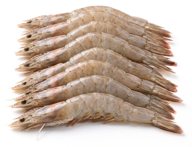
Prawn
  • King prawn

    Use the same weight; cut large ones into 2 cm pieces. Sweeter and firmer; cook 1–2 minutes longer.

  • Firm white fish fillet

    Use the same weight, cut into chunks. Add 3–4 minutes later; milder and less sweet, and it flakes easily.

  • Small prawn

    Use the same weight; they cook faster, so add 2 minutes later. More numerous and slightly sweeter.

Melted butter
  • Melted ghee

    Use the same weight; nuttier and keeps better. Reduce salt if the butter was salted.

  • Vegetable oil

    Use 80% of the weight; no dairy flavour and less richness. Good for frying, less good for finishing.

  • Melted unsalted butter

    Use the same weight; adjust salt in the dish if your butter was salted.

Similar dishes

Konju Masala
Spicy Prawn (Shrimp) Curry
Konju Masala has a richer, creamier sauce with tomato and coconut notes, unlike the smoky, sharp ginger heat and pungent mustard oil profile of this dish.
  • Same: Both dishes feature prawns seasoned with ginger, turmeric, and chilli.
  • Different: Konju Masala is a simmered curry prepared with coconut milk, onions, tomatoes, garlic, and curry leaves, whereas this dish is marinated with mustard oil and lemon juice and then grilled on skewers.
Ginger-Marinated King Prawns with Turmeric, Mustard & Chilli
Adraki Tandoori Jhinge
It tastes sharp, warming and lightly smoky like this dish, but its milder Kashmiri chilli and smaller mustard-oil amount make it less pungent than this dish's double-ginger, yellow-chilli marinade.
  • Same: It shares grilled prawns, a yoghurt marinade, ground ginger, mustard oil, turmeric, chilli powder and salt with this dish.
  • Different: It uses king prawns, Greek yoghurt, chickpea flour, ginger root, Kashmiri chilli powder and smoked butter or ghee, and it lacks this dish's lemon juice, ginger paste, hung yoghurt and melted butter.
Kurumulagail Verthatu Chemeen
Pepper Prawns (Shrimp)
It tastes pepper-forward, garlicky, oniony and tart from lemon, while this dish tastes sharp with ginger and yoghurt, pungent from mustard oil, smoky from grilling and buttery at the finish.
  • Same: Kurumulagail Verthatu Chemeen shares prawns, ginger paste, lemon juice and salt with this dish.
  • Different: It is a dry fry in vegetable oil with onion, spring onion, garlic paste, cornstarch, black pepper and coriander, while this dish is a grilled yoghurt-marinated prawn with mustard oil, turmeric, yellow chilli powder and melted butter.
Veinchana Royyaalu
Curried Prawns (Shrimp)
Veinchana Royyaalu tastes tangy, hot, and warmly aromatic from tomato, lime, and green chilli, while this dish tastes sharply ginger-forward, yoghurt-sour, smoky, and buttery.
  • Same: Veinchana Royyaalu shares prawns, ginger paste, turmeric, chilli powder, salt, and a souring juice with this dish.
  • Different: Veinchana Royyaalu is a simmered curry with onion, tomato, green chilli, cardamom, clove, and aniseed in vegetable oil, while this dish lacks those and uses hung yoghurt, mustard oil, melted butter, and grilling.