
Dum ke Kebab
Tender flattened meat slow-baked under foil in a rich coating of cream, ghee, and browned onions. The result is aromatic, mildly spiced, and succulent with a gently crisped finish.
Marinade masala
30 gStirred into the yogurt mixture (step 3)Everything else

Method
- Purée 1 tablespoon papaya to a smooth consistency, and pound the 1000 g meat flat on a board using a mallet.
- Warm half of the 27 g vegetable oil or ghee in a heavy-bottomed pan over medium heat. Fry the 600 g sliced onion for 5 to 7 minutes until golden brown, then drain and set aside.
- In a broad dish, combine the blended papaya, 254 g plain yogurt, the marinade masala, 36 g green chilli, 150 g coriander, and salt to taste. Turn the flattened meat in the marinade until evenly coated, cover, and refrigerate for 1 hour.
- Preheat the oven to 180°C (350°F). Set aside a small handful of the fried onions for garnish and finely crush the rest.
- Stir together the crushed onions, 250 g ghee, 127 g single cream, and 3 teaspoon chickpea flour. Coat the marinated meat thoroughly in this seasoning mixture and spread it across a baking dish.
- Tightly cover the dish with foil and bake in the middle of the oven for 20 minutes. Uncover, flip the meat pieces over, and sprinkle over the juice of 2 limes. Return the dish to the oven uncovered for 15 to 20 minutes more, until the meat is thoroughly tender and browned on top.
- Scatter over the reserved crisp onions, fresh mint sprigs, and lime slices to serve.
Don't have something?


 Green papaya
Use the same weight; peel, deseed and cube. Very close and cooks at a similar rate.
 Unripe papaya
Use the same weight; peel and deseed. Slightly softer, so check doneness early.
 Chayote
Use the same weight; peel and cube. Neutral and tender, but less absorbent of masala.


 Boneless lamb shoulder
Use same weight; shoulder is well marbled and best for slow curry, with similar cooking time.
 Boneless leg of lamb
Use same weight; leg is leaner, so simmer 10 minutes less to avoid dryness.
 Boneless lamb fillet
Use same weight but simmer 15–20 minutes less; fillet is tender and cooks quickly.


 Peanut oil
Use equal weight; handles high tempering heat well and keeps flavours neutral.
 Butter
Use equal weight; cook over gentle heat to prevent browning the milk solids too quickly.






 Yogurt
Use equal weight, whisked thoroughly until smooth before adding to hot dishes to prevent curdling.
 Coconut milk
Use equal weight with 1 teaspoon lemon juice mixed in. Provides rich creaminess in curries, but adds a noticeable coconut flavour.
 Single cream
Use 80% of the weight plus a squeeze of lemon juice for acidity. Enriches sauces nicely, though it is richer and less tangy.


 Ceylon cinnamon
True cinnamon: thinner, papery quills, milder and sweeter. Use about 1.5 times the weight, and taste.
 Ground cinnamon (cassia)
Use about a third of the weight (0.5 g ground for a 2.5 cm piece), stirred in with the ground spices rather than fried whole, since the powder burns quickly.
 Cassia buds
Use 60-70% of the weight; stronger and more peppery, so taste before adding more.


 Green cardamom seed
Use 35 to 40% of the total pod weight; lightly bruise the seeds before frying in oil to release their essential oils.
 Ground green cardamom
Use 20 to 25% of the pod weight (about 1 generous pinch per pod); stir in toward the end of cooking so the delicate floral notes do not dissipate.
 White cardamom pod
Use 1:1 by pod count or weight; crack gently before using, though it is slightly less intensely floral.


 Ground cloves
Use 1 g ground for 4 g whole (or 1 small pinch per 2 to 3 whole cloves). Add with spice powders; disperses intense warmth quickly, so use with restraint.
 Allspice berries
Use 100% of the weight whole in tempering. Imparts a warm, clove-like aromatic profile combined with hints of nutmeg and cinnamon.
 Black cardamom pod
Use 1 pod for 3 to 4 cloves in whole tempering. Shares a camphor-like warmth and medicinal depth, though it introduces a distinct smoky undertone.


 Chilli powder
Use 10 to 15% of the weight (about 1/4 teaspoon per chilli); imparts dry pungent heat and reddens the dish without the grassy crunch.
 Dried red chilli
Use 1 dried pod per fresh green chilli; snap in half and temper in hot oil for a deeper, toastier heat.


 Coriander leaf
Use equal weight, chopped fresh and stirred in off the heat or used as garnish. Matches the citrus-herbal profile identically.
 Mint
Use 40% to 50% of the weight; chop finely and add at the very end. Adds fresh herbal brightness, but shifts the aroma toward cool menthol.


 Nigella seeds
Use the same weight; in Indian cooking this is usually the same seed. Toast lightly if the recipe asks for toasted.
- Kalonji seed
Use the same weight; it is another name for nigella. Add whole or crush lightly.
 Cumin seed
Use about 75% of the weight and toast before use; the flavour is different, more warm and less onion-like.


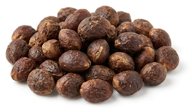
 Almond
Use the same weight, soak and peel for a closer texture; slightly sweeter.
 Cashew nut
Use the same weight, soak 20 minutes; softer and creamier when ground.
 Pistachio
Use the same weight, blanch and peel; stronger and greener in flavour.


- Cashew nut
Use equal weight. Soak in warm water for 20 minutes and grind to a smooth paste; produces an even creamier, slightly richer gravy than poppy seeds.
 White sesame seed
Use equal weight. Soak and grind finely; provides similar thickening and body with a slightly nuttier, faintly bitter edge.
- Almond
Use equal weight. Blanch, peel, and grind finely with a splash of water; lends a velvety body and gentle sweetness to gravies.


 Desiccated coconut
Use the same weight. It is drier and finer, so soak in a little warm water for 10 minutes if the recipe wants a fresh coconut texture. Slightly less creamy.
 Fresh coconut
Use about 1.3 times the weight, grated. Reduce other liquid slightly. Fresher and sweeter, but more moisture.
 Grated coconut
Use the same weight. If it is fresh, reduce liquid a little; if dry, soak briefly. Texture is coarser than dry coconut.


 Garlic
Use equal weight; crush or finely grate to a smooth pulp to replicate the same fresh, pungent moisture in your base gravy.
 Garlic powder
Use 20 to 25% of the weight; mix with a teaspoon of water before adding to oil so it does not burn, noting it lacks the fresh bite.


 Fresh ginger
Use equal weight; peel and grate very finely on a microplane or pound to a fine paste in a mortar.
 Ginger
Use equal weight; mince finely and crush with the flat of a knife before frying.
 Ground ginger
Use 20% of the weight; add directly with the dry spice powders, though it yields an earthier, less pungent profile.


 Dried kashmiri chilli
Use equal weight whole. Fry in hot oil or ghee as tempered spice; gives a richer red colour with slightly milder heat.
 Red chilli powder
Use 50% to 70% of the weight. Stir into the oil with ground spices; distributes heat evenly throughout the dish without whole chilli skins.


 Unsalted butter
Use 120% of the weight; melt gently over low heat to avoid burning the milk solids, which will yield a softer, creamier richness rather than a nutty aroma.
 Vegetable oil
Use 85% of the weight; holds high cooking temperatures without smoking, but the final dish will lack traditional dairy depth.
 Mustard oil
Use equal weight; heat to smoking point and cool slightly before cooking, bearing in mind it introduces an assertive, pungent edge.


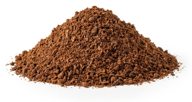
- Ground cinnamon (cassia)
Use about 70% of the weight and add a pinch of ground clove (about 20% of the allspice weight); the result is more cinnamon-forward.
- Ground clove
Use only about 20% of the weight; it is much stronger and can dominate the dish.
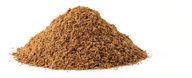 Ground nutmeg
Use about 50% of the weight; it gives warmth but lacks allspice's peppery edge.
 Whole milk
Use equal weight, whisked with a small knob of unsalted butter. Simmer gently over low heat to reduce curdling; sauce will be slightly lighter.
 Clotted cream
Use 50% weight combined with 50% whole milk, whisked until smooth. Adds intense richness, so stir in at the very end off the heat.
 Cashew paste
Use 60% cashew paste mixed with 40% warm water. Creates a silky, luxurious thickening that won't split even under high heat.


 Yellow split pea flour
Use 100% of the weight. Many commercial gram flours are milled from split peas; performs identically in pakora batters and kadhi.
 Cornstarch
For crisping batters or binding cutlets: use 50% to 60% of the weight. Produces a very crisp shell but lacks the earthy, roasted nutty flavour of besan.


 Lemon
Use the same weight; sharper and less floral, so reduce any extra souring slightly.
 Lemon juice
Use about 30 g juice per lime (2 tbsp), strain pips; add at the end for fresh sourness.
 Dried mango powder
Use 1 g amchoor for about 15 g lime juice; add early with spices; gives dry mango sourness, not citrus aroma.


 Dried mint
Use about 30% of the weight of fresh mint. Rub between your palms to crush before stirring in; the flavour will be more intensely herbal and less bright.
- Coriander leaf
Use equal weight, finely chopped. Adds fresh citrusy green notes, but lacks the cooling menthol lift.

Similar dishes

- Same: Both are lamb dishes built on ghee, onions, yogurt, ginger-garlic paste, green chilli, cinnamon, green cardamom, and clove. Both use slow cooking to make the lamb tender.
- Different: Dahiwala Meat is a braised yogurt curry, while this dish is a foil-baked kebab coated in cream, ghee, and browned onions. Dahiwala Meat lacks this dish's raw papaya, chickpea flour, poppy seed, chironji, dry coconut, black caraway, mint, and lime, but it adds black cardamom, garam masala, chilli powder, and ground coriander.

- Same: Patthar Kebab shares boneless lamb, green chilli, ginger paste, garlic paste, allspice, onion, salt, and mint with this dish.
- Different: Patthar Kebab uses lemon, black pepper, and green papaya paste, is seared on a hot stone with vegetable oil, and lacks this dish's yogurt, cream, large amount of ghee, cinnamon, cardamom, clove, dried red chilli, chickpea flour, poppy seed, chironji, coconut, and foil slow-baking.

- Same: Both dishes tenderise meat with plain yogurt and flavour it using onions, ginger paste, garlic paste, cinnamon, and cloves.
- Different: Gol Maas Kaachar is a stovetop braise made with mustard oil, tomatoes, bay leaves, and green cardamom, lacking the ghee, single cream, poppy seeds, black caraway, and oven-baking method of this dish.

- Same: Keema Upama shares lamb, onion, ginger paste, garlic paste, green chilli, cinnamon, cardamom, clove, coriander, lime, dried red chilli, and vegetable oil with this dish.
- Different: Keema Upama uses minced lamb and thick vermicelli and is tossed with curry leaf, cumin seed, and chilli powder, while this dish uses boneless lamb slow-baked under foil with yogurt, cream, ghee, raw papaya, poppy seed, chironji, dry coconut, and chickpea flour.