
Patthar Kebab
Tender, thin steaks marinated in fresh chillies, aromatics, and black pepper, traditionally seared directly on a heated stone slab over hot coals. The meat turns out deeply smoky, succulent, and boldly spiced.
Marinade masala
18 gCombined in the dish with the chilli paste (step 2)Everything else

Method
- Process 36–48 g green chilli in a small blender until finely ground into a paste. Lay 1000 g meat onto a board and flatten gently using a meat mallet.
- In a wide dish, stir together the blended chillies, the marinade masala, 1 tsp allspice, and salt to taste. Thoroughly coat each piece of meat in the mixture, cover, and chill in the refrigerator for 4–5 hours.
- Position a clean, flat granite stone securely across two bricks set over glowing charcoals until piping hot, or preheat a ridged griddle pan over medium-high heat.
- Grease the hot stone lightly with vegetable oil. Fry the steaks in batches for 4–5 minutes per side, brushing with vegetable oil and flipping occasionally, until charred and cooked through. Transfer to a plate to keep warm.
- Plate the kebabs immediately with 300–450 g onion, lemon wedges, fresh mint, and mint chutney.
Don't have something?


 Chilli powder
Use 10 to 15% of the weight (about 1/4 teaspoon per chilli); imparts dry pungent heat and reddens the dish without the grassy crunch.
 Dried red chilli
Use 1 dried pod per fresh green chilli; snap in half and temper in hot oil for a deeper, toastier heat.


 Boneless lamb shoulder
Use same weight; shoulder is well marbled and best for slow curry, with similar cooking time.
 Boneless leg of lamb
Use same weight; leg is leaner, so simmer 10 minutes less to avoid dryness.
 Boneless lamb fillet
Use same weight but simmer 15–20 minutes less; fillet is tender and cooks quickly.


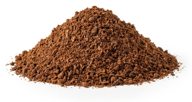
 Ground cinnamon (cassia)
Use about 70% of the weight and add a pinch of ground clove (about 20% of the allspice weight); the result is more cinnamon-forward.
 Ground clove
Use only about 20% of the weight; it is much stronger and can dominate the dish.
 Ground nutmeg
Use about 50% of the weight; it gives warmth but lacks allspice's peppery edge.


 Black peppercorn
Use 1:1 by weight; pulverise in a spice mill or mortar to a fine powder for immediate, punchy heat.
 Coarsely ground black pepper
Use equal weight; offers the same bite, though it gives a visibly speckled finish and firmer crunch.


 Fresh ginger
Use equal weight; peel and grate very finely on a microplane or pound to a fine paste in a mortar.
 Ginger
Use equal weight; mince finely and crush with the flat of a knife before frying.
 Ground ginger
Use 20% of the weight; add directly with the dry spice powders, though it yields an earthier, less pungent profile.


 Garlic
Use equal weight; crush or finely grate to a smooth pulp to replicate the same fresh, pungent moisture in your base gravy.
 Garlic powder
Use 20 to 25% of the weight; mix with a teaspoon of water before adding to oil so it does not burn, noting it lacks the fresh bite.


 Raw papaya paste
Use the same weight; it is effectively the same ingredient and works well as a tenderiser or thickener.
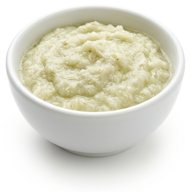 Unripe papaya paste
Use the same weight; blend peeled, deseeded firm papaya to a smooth paste.
 Raw papaya
Blend an equal weight of peeled, deseeded raw papaya to a paste; add a little water only if needed.


 Peanut oil
Use 1:1 by weight. Handles high-heat frying identically and introduces a very subtle, pleasant nuttiness.
 Ghee
Use 1:1 by weight. Yields a much richer, authentic aroma and a glossy, heavier mouthfeel.
 Mustard oil
Use 1:1 by weight. Heat until smoking, then cool slightly before cooking to temper its intensely pungent, sharp mustard kick.






 Lime
Use the same weight or juice amount; sharper, so taste before adding all the juice.
 Lemon juice
Use about 45–50 ml for 1 lemon; add off the heat to keep the freshness.
 Dried mango powder
Use 1 tsp for the juice of 1 lemon; add early. Sourness is flatter and less fresh.


 Dried mint
Use about 30% of the weight of fresh mint. Rub between your palms to crush before stirring in; the flavour will be more intensely herbal and less bright.
 Coriander leaf
Use equal weight, finely chopped. Adds fresh citrusy green notes, but lacks the cooling menthol lift.


 Green chutney
Use the same weight; it is the closest everyday substitute. Add a few fresh mint leaves if you have them.
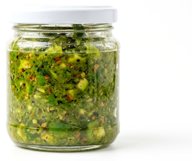 Raw green mango chutney
Use the same weight but expect a sharper, sourer taste; reduce lemon juice in the dish.
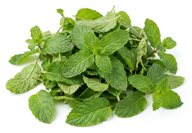 Mint leaves
Blend about 30 g mint leaves with 2 green chillies, a squeeze of lemon and salt to make roughly 100 g chutney; use weight for weight.

Similar dishes

- Same: Tatti Gosht shares a base of thin meat fillets marinated in green chillies, ginger, garlic, black pepper, and vegetable oil.
- Different: Instead of cooking on a stone slab with mint and mint chutney, Tatti Gosht is grilled and adds lemon juice to the marinade.

- Same: Tala Gosht shares lamb, ginger paste, garlic paste, papaya paste, allspice, black pepper, vegetable oil, and salt with this dish.
- Different: Tala Gosht uses chilli powder and turmeric instead of this dish's fresh green chillies, onion, lemon, and mint, and it is pan-fried rather than seared on a hot stone.

- Same: Kossha Mangsho shares with this dish 1000 g boneless lamb, onion, ginger paste, garlic paste, green chilli, and salt.
- Different: Kossha Mangsho is a slow-simmered curry using mustard oil, yogurt, chilli powder, turmeric, sugar, and black cardamom, while this dish is marinated thin lamb steaks seared on a hot stone with vegetable oil, allspice, black pepper, papaya paste, lemon, and mint.

- Same: Bhuna Keema shares lamb, onion, ginger paste, garlic paste, green chilli, lemon, mint, vegetable oil, and salt with this dish.
- Different: Bhuna Keema uses ground lamb and far more onion, adds turmeric, chilli powder, and coriander leaf, lacks allspice, black pepper, papaya paste, and mint chutney, and is dry-fried rather than seared on a stone.