Indian cooking
Indian cooking / Dishes / Gol Maas Kaachar
Gol Maas Kaachar (Lamb with Kachri)

Gol Maas Kaachar

Lamb with Kachri
Non-vegetarian●●●Origin RajasthanPrep 45 minutesCook 1½–2 hours

A robust Rajasthani lamb curry braised in mustard oil with yogurt and whole aromatics. Wild kachri melon gives the sauce a distinctive fruity tartness, tenderising the meat as it cooks.

Chilli powder

2.6 gWhisked into the yogurt and tomato sauce (step 2)
01
2.6 g1 teaspoon
spice
Leave as a powder to blend into the liquids.

Ginger and garlic pastes

29 gFried with the browned onions (step 5)
Weigh together into a small bowl.

Whole spices

2.8 gAdded to the pan before the puréed onion and meat (step 6)
02
0.1 g2 cloves
spice
03
1.3 g1 piece
spice
04
0.5 g1 leaf
spice
Keep whole: they go into the hot oil together.

Everything else

01
Onion · Pyazroughly chopped
100 g
vegetable
02
127 g125 ml
dairy
03
150 g
vegetable
04
81 g6 tablespoons
oil/fat
05
150 g
vegetable
06
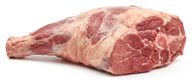
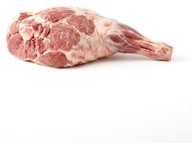
Lamb leg · Raancut into 2.5-cm / 1-inch cubes
1000 g
meat
07
Wild melon · Kachricut into rounds, or 3 tablespoons lemon juice
250 g
vegetable
08
to taste
salt

Method

  1. Purée 100 g roughly chopped onion in a blender until smooth, then set aside.
  2. In a mixing bowl, stir together 127 g whisked plain yogurt, 150 g puréed tomato, the chilli powder, and salt to taste.
  3. Heat 81 g mustard oil in a heavy-bottomed pan over high heat until smoking. Take the pan off the burner, splash in a few drops of water to temper the oil, and return to medium heat.
  4. Tip in 150 g sliced onion and fry for about 4 minutes until pale golden.
  5. Add the ginger and garlic pastes and cook for 1 to 2 minutes, stirring steadily until the excess liquid evaporates.
  6. Toss in the whole spices, then stir in the reserved onion purée followed by 1000 g lamb. Sauté over medium-high heat for several minutes until the oil starts to separate from the mixture.
  7. Take the pan off the burner and thoroughly mix in the seasoned yogurt sauce. Return to the stove, bring the liquid near a boil, then cover and simmer over low heat for 1 to 1½ hours, stirring periodically, until the lamb is tender.
  8. Stir in 250 g kachri (or 3 tablespoons lemon juice), increase the heat to medium, and simmer for roughly 10 minutes until the kachri rounds have softened.

Don't have something?

Onion
  • Shallot

    Use equal weight, finely sliced. Shallots soften and brown faster, giving a slightly sweeter and more delicate base to curries.

  • Cabbage

    Use 80% of the weight, finely shredded and browned slowly with a pinch of asafoetida. Replicates the bulk and natural sweetness in gravies without allium.

Plain yogurt
  • Yogurt

    Use equal weight, whisked thoroughly until smooth before adding to hot dishes to prevent curdling.

  • Coconut milk

    Use equal weight with 1 teaspoon lemon juice mixed in. Provides rich creaminess in curries, but adds a noticeable coconut flavour.

  • Single cream

    Use 80% of the weight plus a squeeze of lemon juice for acidity. Enriches sauces nicely, though it is richer and less tangy.

Tomato
  • Tomato purée

    Use 40% to 50% of the fresh tomato weight mixed with a splash of water. Imparts a deeper red colour, thicker sauce, and slightly sweeter cooked flavour.

  • Plain yogurt

    Use 60% of the weight, whisked smooth and added on low heat. Provides rich body and sourness, though the gravy becomes paler and creamier.

Chilli powder
  • Red chilli powder

    Use 100% of the weight. Provides direct, sharp heat and red colour in equal measure.

  • Kashmiri chilli powder

    Use 150% to 200% of the weight if matching colour, but add a pinch of black pepper or hot chilli if you need equivalent fiery heat.

  • Cayenne pepper

    Use 75% to 100% of the weight. Offers a sharp, clean heat with slightly less earthy depth and less crimson colour.

Mustard oil
  • Peanut oil

    Use equal weight. It handles high-heat cooking well, but lacks the signature pungent, nasal heat of mustard oil.

  • Vegetable oil

    Use equal weight. Neutral in flavour, so your curry will lack the characteristic Bengali or North Indian pungent punch.

Garlic paste
  • Garlic

    Use equal weight; crush or finely grate to a smooth pulp to replicate the same fresh, pungent moisture in your base gravy.

  • Garlic powder

    Use 20 to 25% of the weight; mix with a teaspoon of water before adding to oil so it does not burn, noting it lacks the fresh bite.

Ginger paste
  • Fresh ginger

    Use equal weight; peel and grate very finely on a microplane or pound to a fine paste in a mortar.

  • Ginger

    Use equal weight; mince finely and crush with the flat of a knife before frying.

  • Ground ginger

    Use 20% of the weight; add directly with the dry spice powders, though it yields an earthier, less pungent profile.

Green cardamom pod
  • Green cardamom seed

    Use 35 to 40% of the total pod weight; lightly bruise the seeds before frying in oil to release their essential oils.

  • Ground green cardamom

    Use 20 to 25% of the pod weight (about 1 generous pinch per pod); stir in toward the end of cooking so the delicate floral notes do not dissipate.

  • White cardamom pod

    Use 1:1 by pod count or weight; crack gently before using, though it is slightly less intensely floral.

Clove
  • Ground cloves

    Use 1 g ground for 4 g whole (or 1 small pinch per 2 to 3 whole cloves). Add with spice powders; disperses intense warmth quickly, so use with restraint.

  • Allspice berries

    Use 100% of the weight whole in tempering. Imparts a warm, clove-like aromatic profile combined with hints of nutmeg and cinnamon.

  • Black cardamom pod

    Use 1 pod for 3 to 4 cloves in whole tempering. Shares a camphor-like warmth and medicinal depth, though it introduces a distinct smoky undertone.

Cassia bark
  • Ceylon cinnamon

    True cinnamon: thinner, papery quills, milder and sweeter. Use about 1.5 times the weight, and taste.

  • Ground cinnamon (cassia)

    Use about a third of the weight (0.5 g ground for a 2.5 cm piece), stirred in with the ground spices rather than fried whole, since the powder burns quickly.


  • Cassia buds

    Use 60-70% of the weight; stronger and more peppery, so taste before adding more.

Bay leaf
  • Cinnamon stick

    Use a 2 cm piece (about 1 g) for every 1 to 2 bay leaves. Fry in whole-spice temperings; provides the cassia-like warmth typical of Indian tejpatta.

  • Ground cinnamon (cassia)

    Use 0.5 g per leaf. Stir into the sauce during simmering; gives the same warm woodiness but darkens the colour slightly.

Lamb leg
  • Leg of lamb

    Use the same weight; cook as directed, allowing extra time if bone-in.

  • Lamb hind leg

    Use the same weight; practically the same cut, so follow the recipe timings.

  • Lamb shoulder

    Use the same weight; fattier and softer, so skim fat and cook 10–15 minutes longer.

Kachri
  • Courgette

    Use the same weight, dice, and add 2-3 g amchoor powder per 100 g for tang. Cook until soft; more watery.

  • Cucumber

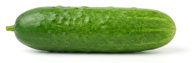
    Use 110% of the weight, peel if bitter, salt for 10 minutes and squeeze. Much wetter and milder.

  • Raw green mango

    Use 70% of the weight with 30% potato for body. Much more sour; reduce other souring agents.

Similar dishes

Dahi ka Keema
Lamb Cooked in Yoghurt
Dahi ka Keema is richer, creamier, and has fresh chilli heat, lacking the pungent mustard oil punch and fruity tartness provided by tomatoes and kachri in this dish.
  • Same: Both recipes cook lamb in a spiced yogurt sauce with onions, ginger-garlic paste, cinnamon, cloves, green cardamom, and bay leaves.
  • Different: Dahi ka Keema uses minced lamb cooked in ghee and peanut oil rather than lamb pieces braised in mustard oil, and it omits tomatoes and kachri in favor of black cardamom, mace, garam masala, and fresh green chillies.
Bund Gosht
Fennel-flavoured Lamb Cooked in a Sealed Pot
Bund Gosht offers a rich, sweet-anise profile from the fennel rather than the sharp mustard pungency and fruity, melon-driven tartness of this dish.
  • Same: Both dishes slow-cook lamb with yogurt, ginger, garlic, chili powder, and whole spices including cinnamon, cloves, and green cardamom.
  • Different: Bund Gosht cooks lamb chops in a dough-sealed pot using vegetable oil, fried onion paste, and ground fennel seed, lacking this dish's mustard oil, tomatoes, bay leaf, and wild kachri.
Dahiwala Meat
Lamb in Yoghurt Sauce (I)
Dahiwala Meat tastes richer and more dairy-tangy, with green-chilli heat and black-cardamom aroma, while this dish tastes sharper from mustard oil and fruitily tart from kachri.
  • Same: Dahiwala Meat shares with this dish a slow-braised lamb base built on onion, ginger, garlic, yogurt and whole spices such as clove, green cardamom and cinnamon.
  • Different: Dahiwala Meat uses ghee and far more yogurt, adds green chilli, black cardamom, garam masala and ground coriander, and lacks this dish's mustard oil, tomato and kachri.
Yakhni Pulao
Lamb Stock Pulao
Yakhni Pulao tastes mild, aromatic and creamy with lime and sweet peas and eggs, while this dish tastes robust and chilli-hot with a fruity tartness from kachri and a mustard-oil edge.
  • Same: Yakhni Pulao shares with this dish onion, plain yogurt, ginger paste, garlic paste, salt, and whole green cardamom, clove, cinnamon and bay leaf.
  • Different: Yakhni Pulao is a baked basmati rice dish with lamb stock, milk, cream, lime juice, boiled eggs and peas, and it lacks this dish's tomato, kachri, mustard oil, chilli powder and lamb leg pieces.