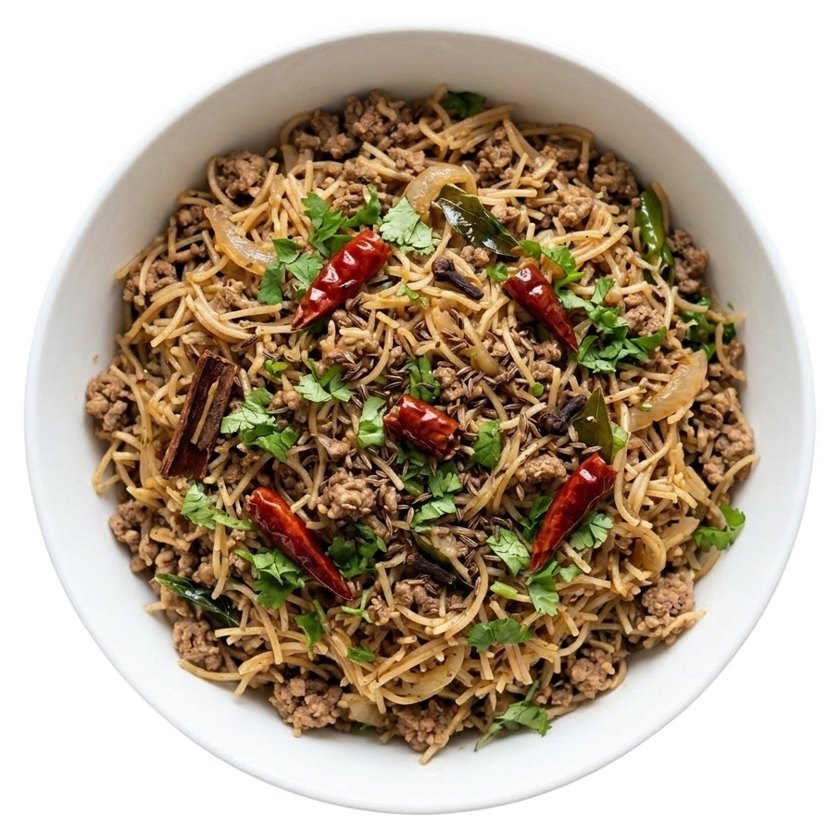
Keema Upama
A savoury, spiced vermicelli dish tossed with tender minced lamb, fragrant whole spices, and fresh herbs.
Spices and aromatics
15 gFried with the aromatics in step 2Everything else
Method
- Set a heavy pan over medium heat and warm 114 g vegetable oil. Sauté 300 g onion for 5 to 7 minutes until deeply golden.
- Toss in the masala, 2 g curry leaf, 18 g green chilli, and 3 cardamom pods, frying for 2 minutes to release their aroma.
- Incorporate 250 g minced lamb and cook for 5 minutes, stirring to break apart the meat until browned throughout.
- Pour in 500 ml water. Simmer for 30 to 40 minutes until the liquid boils off completely and the meat becomes tender, then sauté for another 1 to 2 minutes in the rendered fat until richly browned.
- Mix in 240 g vermicelli, coating it in the spiced meat for 1 minute.
- Pour in 250 ml water, fit a lid, and cook gently on low heat for 8 minutes until the strands are soft and the liquid is absorbed.
- Scatter over 50 g coriander and the juice of 1 lime, then top with fried red chillies and dry-roasted cumin seeds to taste before serving.
Don't have something?


 Peanut oil
Use 1:1 by weight. Handles high-heat frying identically and introduces a very subtle, pleasant nuttiness.
 Ghee
Use 1:1 by weight. Yields a much richer, authentic aroma and a glossy, heavier mouthfeel.
 Mustard oil
Use 1:1 by weight. Heat until smoking, then cool slightly before cooking to temper its intensely pungent, sharp mustard kick.






 Fresh ginger
Use equal weight; peel and grate very finely on a microplane or pound to a fine paste in a mortar.
 Ginger
Use equal weight; mince finely and crush with the flat of a knife before frying.
 Ground ginger
Use 20% of the weight; add directly with the dry spice powders, though it yields an earthier, less pungent profile.


 Garlic
Use equal weight; crush or finely grate to a smooth pulp to replicate the same fresh, pungent moisture in your base gravy.
 Garlic powder
Use 20 to 25% of the weight; mix with a teaspoon of water before adding to oil so it does not burn, noting it lacks the fresh bite.


 Coriander seeds
Dry-roast lightly in a pan and grind to a fine powder; use equal weight (1:1). Offers a noticeably fresher, brighter citrus note.
 Ground cumin
Use 50% to 75% of the weight. Lacks the floral, citrusy profile of coriander and turns the gravy heavier, earthier, and darker.
 Garam masala
Use 50% of the weight and stir in near the end of cooking. Adds warmth and depth since it contains ground coriander, but introduces stronger spices like clove and cinnamon.


 Bay leaf
Fry 1 bay leaf for every 5 curry leaves in hot oil; imparts a warm, woodsy background note, but misses the citrus-sulphury punch entirely.
 Lime juice
Add a small squeeze (about 5 ml per sprig of curry leaves) right before serving; provides sharp citrus top notes without the toasty, herbal aroma.


 Chilli powder
Use 10 to 15% of the weight (about 1/4 teaspoon per chilli); imparts dry pungent heat and reddens the dish without the grassy crunch.
 Dried red chilli
Use 1 dried pod per fresh green chilli; snap in half and temper in hot oil for a deeper, toastier heat.

 Red chilli powder
Use 100% of the weight. Provides direct, sharp heat and red colour in equal measure.
 Kashmiri chilli powder
Use 150% to 200% of the weight if matching colour, but add a pinch of black pepper or hot chilli if you need equivalent fiery heat.
 Cayenne pepper
Use 75% to 100% of the weight. Offers a sharp, clean heat with slightly less earthy depth and less crimson colour.


 Ceylon cinnamon
True cinnamon: thinner, papery quills, milder and sweeter. Use about 1.5 times the weight, and taste.
 Ground cinnamon (cassia)
Use about a third of the weight (0.5 g ground for a 2.5 cm piece), stirred in with the ground spices rather than fried whole, since the powder burns quickly.
 Cassia buds
Use 60-70% of the weight; stronger and more peppery, so taste before adding more.


 Green cardamom seed
Use 35 to 40% of the total pod weight; lightly bruise the seeds before frying in oil to release their essential oils.
 Ground green cardamom
Use 20 to 25% of the pod weight (about 1 generous pinch per pod); stir in toward the end of cooking so the delicate floral notes do not dissipate.
 White cardamom pod
Use 1:1 by pod count or weight; crack gently before using, though it is slightly less intensely floral.


 Ground cloves
Use 1 g ground for 4 g whole (or 1 small pinch per 2 to 3 whole cloves). Add with spice powders; disperses intense warmth quickly, so use with restraint.
 Allspice berries
Use 100% of the weight whole in tempering. Imparts a warm, clove-like aromatic profile combined with hints of nutmeg and cinnamon.
 Black cardamom pod
Use 1 pod for 3 to 4 cloves in whole tempering. Shares a camphor-like warmth and medicinal depth, though it introduces a distinct smoky undertone.


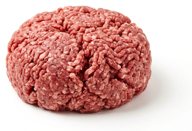 Ground lamb
Use the same weight; it is the same thing under another name and cooks identically.
 Minced chicken
Use the same weight; it is leaner, so add 1 tbsp oil and cook 3–4 minutes less.
 Boneless lamb
Mince at home; use the same weight. Keep some fat for juiciness and cook until browned.


 Vermicelli
Use the same weight; thin vermicelli cooks faster, so soak or boil for about two-thirds of the time.
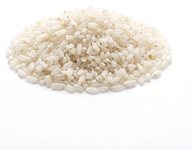 Coarsely broken rice
Use the same weight; simmer 15–20 minutes longer. It gives a rice-like rather than noodle texture.


 Coriander leaf
Use equal weight, chopped fresh and stirred in off the heat or used as garnish. Matches the citrus-herbal profile identically.
 Mint
Use 40% to 50% of the weight; chop finely and add at the very end. Adds fresh herbal brightness, but shifts the aroma toward cool menthol.


 Lemon
Use the same weight; sharper and less floral, so reduce any extra souring slightly.
 Lemon juice
Use about 30 g juice per lime (2 tbsp), strain pips; add at the end for fresh sourness.
 Dried mango powder
Use 1 g amchoor for about 15 g lime juice; add early with spices; gives dry mango sourness, not citrus aroma.


 Dried kashmiri chilli
Use equal weight whole. Fry in hot oil or ghee as tempered spice; gives a richer red colour with slightly milder heat.
- Red chilli powder
Use 50% to 70% of the weight. Stir into the oil with ground spices; distributes heat evenly throughout the dish without whole chilli skins.


- Ground cumin
Use 70% of the weight; add with ground spices or sauce bases rather than hot oil tempering, where it scorches quickly and turns bitter.
 Black cumin seeds
Use equal weight for oil tempering. Delivers an earthy profile with an additional musky, smoky, and slightly bitter edge.
 Fennel seed
Use 60% of the weight for tempering; offers comparable warm aroma, but leans sweet and liquorice-like rather than savoury and earthy.


Similar dishes

- Same: Both dishes feature lamb seasoned with onions, ginger, garlic, green chillies, ground coriander, chilli powder, cinnamon, cloves, and fresh coriander.
- Different: Dahiwala Meat is a braised curry cooked in ghee with yoghurt, whole chunks of lamb, black cardamom, and garam masala, whereas this dish uses minced lamb stir-cooked in vegetable oil with vermicelli, curry leaves, and cumin seeds.

- Same: Dahi ka Keema shares minced lamb, onion, ginger paste, garlic paste, green chilli, cinnamon, green cardamom, clove, chilli powder, and coriander with this dish.
- Different: Dahi ka Keema uses yoghurt as its souring agent and ghee plus peanut oil as fat, adds black cardamom, bay leaf, mace, and garam masala, and is a slow-simmered curry with 1000 g lamb and no vermicelli, while this dish uses lime, vegetable oil, curry leaf, cumin seed, dried red chilli, and thick vermicelli.

- Same: Gol Maas Kaachar shares the use of lamb, onion, garlic, ginger, cloves, cinnamon, and chilli powder with this dish.
- Different: Gol Maas Kaachar is a braised curry cooked in mustard oil with yogurt, tomato, bay leaf, and cardamom, whereas this dish is a dry vermicelli preparation using vegetable oil, curry leaves, cumin, and fresh coriander.

- Same: Kundan Kaliya also uses lamb and shares an aromatic base of onions, ginger, garlic, cinnamon, cloves, chilli powder, and ground coriander.
- Different: Instead of stir-frying minced meat with vermicelli, cumin, and curry leaves, Kundan Kaliya braises lamb pieces in ghee and a rich gravy made with single cream, milk, saffron, turmeric, cardamom, and mace.