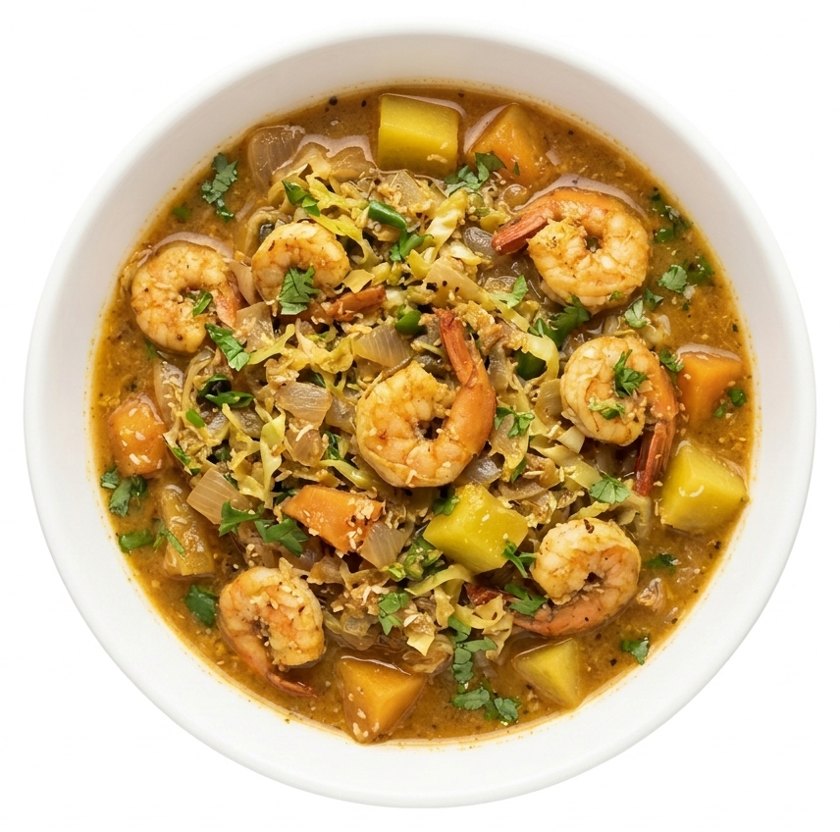
Bhaji ani Kolambicha Stew
A lightly spiced, mildly sweet and tangy coastal stew featuring prawns cooked alongside cabbage and green vegetables in a coconut-laced broth.
Marinade spice
1.5 gStirred with lime juice and salt for the prawns (step 1)Ground stew spices
8 gAdded to the pan with the aromatics and vegetables (step 4)Finishing spice
1.3 gScattered over the stew off the heat (step 7)Everything else

Method
- Prepare 450 g prawns: if using fresh prawns, peel, devein, and head them while leaving tails attached, then rinse and pat dry; if using dried prawns, soak them in cold water for 10 minutes, then drain. In a bowl, combine the marinade spice with 5.1 g lime juice and 2.9 g salt, then toss with the prawns. Cover and chill in the refrigerator for 15 minutes.
- Warm 27 g vegetable oil in a large, heavy saucepan over medium heat. Add 300 g chopped onion and cook for roughly 2 minutes until translucent.
- Tip in 20.4 g desiccated coconut and stir-fry for 1 minute, taking care not to let it brown.
- Add 12 g chopped green chilli, 2 g grated ginger, 1 teaspoon chopped garlic, the ground stew spices, 8.4 g granulated sugar, and 5.8 g salt. Stir in the vegetables: 900 g shredded cabbage, 100 g cubed unripe papaya, 4 pieces of vegetable, and 100 g trimmed vegetables, mixing well to coat evenly.
- Pour in 500 ml water, lower the heat, cover, and simmer for about 10 minutes until the vegetables are nearly tender.
- Stir the prawns along with their marinade into the pan. Cover and continue cooking for 5 minutes, until the prawns are completely cooked through and the excess moisture has mostly reduced.
- Take the pan off the heat, scatter over the finishing spice, and cover for 2 minutes. Scatter with 2 tablespoons chopped coriander and serve hot.
Don't have something?
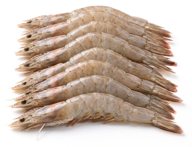
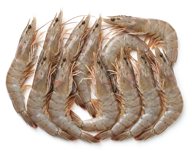 King prawn
Use the same weight; cut large ones into 2 cm pieces. Sweeter and firmer; cook 1–2 minutes longer.
 Firm white fish fillet
Use the same weight, cut into chunks. Add 3–4 minutes later; milder and less sweet, and it flakes easily.
 Small prawn
Use the same weight; they cook faster, so add 2 minutes later. More numerous and slightly sweeter.


 Peanut oil
Use 1:1 by weight. Handles high-heat frying identically and introduces a very subtle, pleasant nuttiness.
 Ghee
Use 1:1 by weight. Yields a much richer, authentic aroma and a glossy, heavier mouthfeel.
 Mustard oil
Use 1:1 by weight. Heat until smoking, then cool slightly before cooking to temper its intensely pungent, sharp mustard kick.






 Grated desiccated coconut
Use equal weight directly; it is the identical ingredient under a different label.
 Fresh coconut
Grate finely and use 130% to 140% of the weight to compensate for higher moisture; toast gently in a dry pan over low heat if a dry texture is needed.
 Dried coconut
Grate finely using a microplane and use equal weight. Offers a slightly oilier, toastier coconut profile.


 Chilli powder
Use 10 to 15% of the weight (about 1/4 teaspoon per chilli); imparts dry pungent heat and reddens the dish without the grassy crunch.
 Dried red chilli
Use 1 dried pod per fresh green chilli; snap in half and temper in hot oil for a deeper, toastier heat.


 Ginger paste
Use equal weight. Sauté in hot fat until the raw allium smell disappears; slightly wetter, but provides identical warmth and pungency.
 Ground ginger
Use 20% to 25% of the weight (1 g for every 4 to 5 g fresh). Stir into the gravy; adds peppery heat and warmth, though it misses the crisp, zesty kick of raw root.



 Garlic paste
Use equal weight. Fry gently in oil or ghee with the ginger; incorporates smoothly into curries without visible minced bits.
 Garlic powder
Use 15% to 20% of the weight (about 1 g for every 5 to 6 g fresh cloves). Whisk into sauces; gives a savoury, toasted garlic flavour without raw pungency.
 Shallot
Use 1.5 times the weight, very finely minced. Sauté until golden; provides savoury allium sweetness, though it lacks garlic's pungent sulphur bite.


 Green cardamom seed
Grind freshly extracted inner black seeds finely; use equal weight (1:1). Greatly superior aroma with potent eucalyptus and citrus notes.
 Green cardamom pod
Lightly crack whole pods and simmer them in the gravy; use 150% of the weight of ground cardamom. Fish out the pods before serving.
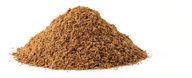 Ground nutmeg
Use 50% of the weight. Delivers warm, sweet aroma, but lacks cardamom's cooling, citrusy top notes.



 Coriander seeds
Dry-roast lightly in a pan and grind to a fine powder; use equal weight (1:1). Offers a noticeably fresher, brighter citrus note.
 Ground cumin
Use 50% to 75% of the weight. Lacks the floral, citrusy profile of coriander and turns the gravy heavier, earthier, and darker.
 Garam masala
Use 50% of the weight and stir in near the end of cooking. Adds warmth and depth since it contains ground coriander, but introduces stronger spices like clove and cinnamon.


 Cumin seed
Dry-roast briefly and grind finely; use equal weight (1:1). Imparts an even punchier, nuttier, toasty aroma than pre-ground cumin.
- Ground coriander
Use equal weight (1:1). Adds mild, lemony sweetness rather than cumin's smoky, earthy bite; curries will taste lighter and less savoury.
 Black cumin seeds
Grind finely; use 60% to 75% of the weight. Produces a darker, more complex, smoky-herbal flavour suited to rich gravies.


 Red chilli powder
Use 100% of the weight. Provides direct, sharp heat and red colour in equal measure.
 Kashmiri chilli powder
Use 150% to 200% of the weight if matching colour, but add a pinch of black pepper or hot chilli if you need equivalent fiery heat.
 Cayenne pepper
Use 75% to 100% of the weight. Offers a sharp, clean heat with slightly less earthy depth and less crimson colour.


 Jaggery
Use equal weight; grate or shave finely so it dissolves rapidly, giving a warm, caramel-like sweetness and slightly darker sauce.


 Sweetheart cabbage
Use 100% of the weight. Finely shred; cooks slightly faster than firm white cabbage and gives a sweeter, tender crunch in thorans and sabzis.
- Savoy cabbage
Use 100% of the weight. Shred finely; holds its shape well when stir-fried and carries spiced oil effectively.
 Brussels sprouts
Use 90% of the weight. Finely shred or halve; offers an identical brassica crunch and slight peppery bite.


 Plain yogurt
Use equal weight when needed as a meat tenderiser in marinades; softens meat effectively via lactic acid, though it lacks the enzyme strength of papain.
- Cabbage
Use equal weight, shredded, when used raw or stir-fried in slaws and sambharo. Provides similar crunch, though it is slightly softer and sweeter.


 Baby potatoes
Use the same weight. Scrub and leave whole or halve if large; they cook in about the same time and give a similar waxy bite.
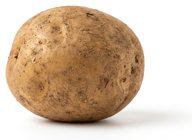 Small potato
Use the same weight. Peel only if the recipe needs it; cut to the size of new potatoes so they cook evenly. The flesh is slightly more floury.
 Potato
Use the same weight, cut into even walnut-sized pieces. It may break down a little more in long cooking, thickening the gravy.


 Green bean
Use the same weight; top and tail, cook for the same time. Very similar, perhaps slightly softer.
 French green bean
Use the same weight; trim and cook briefly. Fine and tender, so check sooner.
 Cluster bean
Use the same weight; slice and cook 2–3 minutes longer. Firmer texture and more vegetal.


- Ground cumin
Use 50% of the weight mixed with equal parts ground coriander and a pinch of ground cinnamon, ground cloves, and ground green cardamom. Sprinkle near the end for a warming finish.
 Lentil stew spice mix
Use 75% of the weight. Simmer briefly in the gravy; imparts roasted warmth and complexity, though it adds a slight tang and earthy lentil undertone.


 Coriander leaf
Use equal weight, chopped fresh and stirred in off the heat or used as garnish. Matches the citrus-herbal profile identically.
 Mint
Use 40% to 50% of the weight; chop finely and add at the very end. Adds fresh herbal brightness, but shifts the aroma toward cool menthol.


- Ground ginger
Use 50% of the weight. Mimics turmeric's warm, earthy, rhizome background, but provides none of the golden-yellow colour.
 Saffron
Steep a tiny pinch (0.1 g per 2 g turmeric) in 2 tbsp warm water; use to match the rich golden hue. Contributes an aristocratic, honeyed floral flavour rather than earthy bitterness.


 Lemon juice
Use equal volume or weight; slightly sweeter and less pungent, but otherwise an imperceptible swap.
 Dried mango powder
Use 25% of the weight; imparts dry, fruity sourness, best stirred in right at the end of cooking.
 Tamarind extract
Use 50% of the weight; delivers pleasant fruity tang but turns pale sauces considerably darker.


Similar dishes

- Same: Chinchi Gulatala Jawla also cooks prawns in vegetable oil with an onion, ginger, and garlic base spiced with turmeric, coriander, cumin, and chilli powder.
- Different: Chinchi Gulatala Jawla uses tamarind extract instead of lime juice and omits the cabbage, unripe papaya, desiccated coconut, green chillies, and green cardamom used in this dish.

- Same: Both dishes simmer prawns with onions, coconut, cumin, coriander, turmeric, and chilli powder.
- Different: Jhingri Machher Malikari cooks in mustard oil and coconut milk, completely omitting the cabbage, green papaya, ginger, garlic, and lime juice used in this dish.

- Same: Royya Alu Pulussu shares prawns, onion, coconut, green chilli, ginger, garlic, ground coriander, cumin, chilli powder, turmeric and lime juice with this dish.
- Different: Royya Alu Pulussu uses coconut milk, tamarind extract, clove, black peppercorn, mint, curry leaf and much more vegetable oil, and lacks this dish’s cabbage, unripe papaya, new potato, French beans, sugar, cardamom and garam masala.
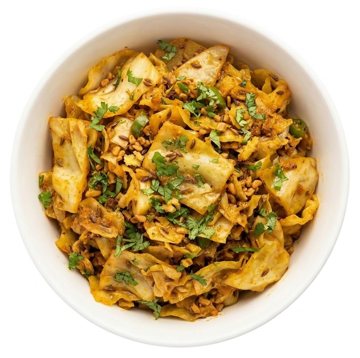
- Same: Karamkalla also uses cabbage as its base vegetable, cooked in vegetable oil with green chillies, ginger, ground coriander, chilli powder, turmeric, and sugar.
- Different: Karamkalla is a dry stir-fry spiced with whole cumin seeds, fenugreek seeds, and asafoetida, lacking this dish's prawns, unripe papaya, coconut, onion, garlic, and lime juice.