
Chinchi Gulatala Jawla
A vibrant coastal Indian dish of succulent prawns coated in a sweet, sour, and mildly spiced tamarind and jaggery gravy.
Turmeric for the prawns
1.5 gRubbed onto the prawns before chilling (step 1)Ground spices for the sauce
7 gStir-fried with the onions and aromatics (step 2)Everything else

Method
- Place 1000 g prawns (peeled and deveined) in a bowl and coat evenly with the turmeric for the prawns and a light pinch of salt to taste. Cover and leave to marinate in the refrigerator for 20 minutes.
- Warm 13.5 g vegetable oil in a large, heavy pan over medium heat. Add 300 g chopped onion, 6 g grated fresh ginger, 1 tablespoon finely chopped garlic, and the ground spices for the sauce, then stir-fry for roughly 5 minutes until the onions are well browned.
- Pour in 250 ml of water, then stir in 4 tablespoons jaggery or sugar, 15.6 g tamarind extract, and salt to taste. Mix thoroughly and cook over medium heat for 5 minutes.
- Tip the marinated prawns into the pan along with 125 ml of water. Turn the heat down slightly, cover with a lid, and simmer gently for 7–8 minutes until the liquid reduces and the prawns are cooked through.
Don't have something?
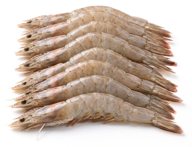
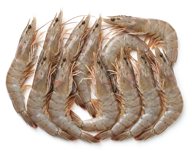 King prawn
Use the same weight; cut large ones into 2 cm pieces. Sweeter and firmer; cook 1–2 minutes longer.
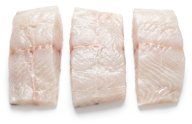 Firm white fish fillet
Use the same weight, cut into chunks. Add 3–4 minutes later; milder and less sweet, and it flakes easily.
 Small prawn
Use the same weight; they cook faster, so add 2 minutes later. More numerous and slightly sweeter.


 Ground ginger
Use 50% of the weight. Mimics turmeric's warm, earthy, rhizome background, but provides none of the golden-yellow colour.
 Saffron
Steep a tiny pinch (0.1 g per 2 g turmeric) in 2 tbsp warm water; use to match the rich golden hue. Contributes an aristocratic, honeyed floral flavour rather than earthy bitterness.


 Peanut oil
Use 1:1 by weight. Handles high-heat frying identically and introduces a very subtle, pleasant nuttiness.
 Ghee
Use 1:1 by weight. Yields a much richer, authentic aroma and a glossy, heavier mouthfeel.
 Mustard oil
Use 1:1 by weight. Heat until smoking, then cool slightly before cooking to temper its intensely pungent, sharp mustard kick.






 Ginger paste
Use equal weight. Sauté in hot fat until the raw allium smell disappears; slightly wetter, but provides identical warmth and pungency.
- Ground ginger
Use 20% to 25% of the weight (1 g for every 4 to 5 g fresh). Stir into the gravy; adds peppery heat and warmth, though it misses the crisp, zesty kick of raw root.


 Garlic paste
Use equal weight. Fry gently in oil or ghee with the ginger; incorporates smoothly into curries without visible minced bits.
 Garlic powder
Use 15% to 20% of the weight (about 1 g for every 5 to 6 g fresh cloves). Whisk into sauces; gives a savoury, toasted garlic flavour without raw pungency.
 Shallot
Use 1.5 times the weight, very finely minced. Sauté until golden; provides savoury allium sweetness, though it lacks garlic's pungent sulphur bite.



 Coriander seeds
Dry-roast lightly in a pan and grind to a fine powder; use equal weight (1:1). Offers a noticeably fresher, brighter citrus note.
 Ground cumin
Use 50% to 75% of the weight. Lacks the floral, citrusy profile of coriander and turns the gravy heavier, earthier, and darker.
 Garam masala
Use 50% of the weight and stir in near the end of cooking. Adds warmth and depth since it contains ground coriander, but introduces stronger spices like clove and cinnamon.


 Cumin seed
Dry-roast briefly and grind finely; use equal weight (1:1). Imparts an even punchier, nuttier, toasty aroma than pre-ground cumin.
- Ground coriander
Use equal weight (1:1). Adds mild, lemony sweetness rather than cumin's smoky, earthy bite; curries will taste lighter and less savoury.
 Black cumin seeds
Grind finely; use 60% to 75% of the weight. Produces a darker, more complex, smoky-herbal flavour suited to rich gravies.


 Red chilli powder
Use 100% of the weight. Provides direct, sharp heat and red colour in equal measure.
 Kashmiri chilli powder
Use 150% to 200% of the weight if matching colour, but add a pinch of black pepper or hot chilli if you need equivalent fiery heat.
 Cayenne pepper
Use 75% to 100% of the weight. Offers a sharp, clean heat with slightly less earthy depth and less crimson colour.


 Jaggery
Use the same weight, grated or crumbled. Same deep, molasses-like sweetness.
 Brown sugar
Use the same weight. Soft brown sugar is closest; slightly milder.
 Demerara sugar
Use the same weight. Drier and less molasses; dissolve in a little hot water first.



 Tamarind
Use 180% of the weight of compressed tamarind; soak in three times its weight of boiling water for 15 minutes, knead, and strain out the thick pulp.
 Dried mango powder
Use 35% of the weight dissolved in two tablespoons of warm water. Provides sharp tang, though the resulting sauce will be lighter in colour.
 Lemon juice
Use equal weight, added right at the end of cooking. Adds sharp acidity without the deep brown hue or pulpy thickness.


Similar dishes

- Same: Jhingri Machher Malikari also features prawns cooked in an onion base seasoned with ground turmeric, cumin, coriander, and chilli powder.
- Different: It simmers the seafood in coconut milk and mustard oil with granulated sugar, omitting the ginger, garlic, and tamarind extract used in this dish.

- Same: Both feature prawns cooked with onions, ginger, garlic, ground turmeric, coriander, and chilli powder.
- Different: Konju Masala incorporates tomatoes, coconut milk, curry leaves, and green chillies, while omitting the cumin and tamarind used in this dish.

- Same: Both dishes cook prawns in vegetable oil using an onion, ginger, and garlic base spiced with turmeric, coriander, cumin, and chilli powder.
- Different: Bhaji ani Kolambicha Stew turns into a coconut-infused broth loaded with cabbage and unripe papaya, seasoned with cardamom and garam masala, and soured with lime juice instead of tamarind.

- Same: Royya Alu Pulussu and this dish both use prawns, onion, ginger, garlic, turmeric, chilli powder, ground coriander, ground cumin, vegetable oil, tamarind, and salt.
- Different: Royya Alu Pulussu adds coconut milk, desiccated coconut, green chilli, clove, black peppercorn, mint, curry leaf, and lime juice, while this dish uses jaggery or soft brown sugar and has no coconut, lime, mint, curry leaf, clove, or peppercorn.