Indian cooking
Indian cooking / Dishes / Alubokhara Kofta
Alubokhara Kofta (Kofta Stuffed with Dried Plums)

Alubokhara Kofta

Kofta Stuffed with Dried Plums
Vegetarian●●●Origin PunjabPrep 50-55 minutesCook 20-25 minutes

Crisp bottle gourd dumplings encasing almond-stuffed dried plums, simmered in a fragrant, tangy tomato sauce. Rich and savoury with an unexpected sweet and nutty centre.

Kofta ginger paste

13 gMixed into the dumpling dough (step 2)
Keep ready to knead directly into the dumpling mixture.

Ground spices for the sauce

10 gStirred into the fried aromatics (step 5)
01
5 g1 tablespoon
spice
02
2.6 g1 teaspoon
spice
03
1.5 g½ teaspoon
spice
Stir together with 3 tablespoons of water in a small dish to form a wet paste.

Whole spices

2.4 gFried in the ghee (step 4)
02
0.1 g2 cloves
spice
04
0.5 g1 leaf
spice
Keep whole; they go into the hot ghee together.

Ginger and garlic paste

10 gSautéed with the softened onions (step 5)
Stir the two pastes together.

Finishing spices

1.5 gSprinkled into the sauce right before taking off the heat (step 6)
Stir together to scatter over the finished curry.

Everything else

01
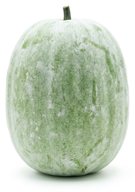
Bottle gourd · Laukipeeled, de-seeded and grated
500 g
vegetable
02
152 g16 plums
fruit
03
19 g16 almonds
nut/seed
05
Green chilli · Hari Mirchde-seeded and chopped
12 g2 chillies
vegetable
06
68–81 g5–6 tablespoons
oil/fat
07
46 g3½ tablespoons
oil/fat
08
100 g
vegetable
09
675 g
vegetable
10
to taste
salt
11
to taste
herb

Method

  1. Place 500 g bottle gourd in a pan with a pinch of salt and enough water to cover, then boil for 3 minutes until softened. Drain completely and squeeze firmly inside a clean kitchen towel to wring out all remaining liquid. Pit 152 g dried plum and insert one of the 16 almond into each plum.
  2. Combine the squeezed bottle gourd, 100 g gram flour, 12 g green chilli, the kofta ginger paste, 0.5 teaspoon coarsely ground roasted black pepper, and salt to taste in a bowl, kneading well by hand. Portion into 16 equal balls. Using wet palms, flatten each ball, enclose an almond-stuffed plum inside, and reshape into a neat sphere.
  3. Warm 5 tablespoon oil in a deep pan or kadhai over high heat, then adjust to medium. Working in batches, fry the dumplings for roughly 2 minutes, rolling them constantly until crisp and golden. Transfer with a slotted spoon to drain on paper towels.
  4. Melt 46.2 g ghee in a wide, heavy saucepan over medium heat. Drop in the whole spices and sizzle for about 1 minute until the cardamom pods lightly colour. Stir in 100 g onion and fry for roughly 2 minutes until translucent.
  5. Add the ginger and garlic paste and sauté for 1 to 2 minutes until fragrant. Mix in the ground spices for the sauce along with salt to taste, cooking for 1 to 2 minutes until the moisture evaporates.
  6. Stir in 675 g tomato purée and cook for around 5 minutes until beads of oil emerge at the surface. Pour in 250 ml water, bring to a boil, then reduce the heat to low and simmer for 2 minutes, stirring regularly. Gently add the fried dumplings and cook for 2 minutes more. Scatter the finishing spices over the curry, stir once, remove from the heat, adjust salt if needed, and scatter with chopped coriander leaf to serve.

Don't have something?

Bottle gourd
  • Ash gourd

    Use the same weight; peel, deseed and cut into similar pieces. It is firmer and slightly more watery, so add a little less water and cook 5 minutes longer.

  • Courgette

    Use the same weight; no need to peel. It cooks faster and releases water, so reduce the recipe liquid by about 10% and add it later.

  • Chayote

    Use the same weight; peel and remove the stone. It stays firmer, so cut it smaller and cook a few minutes longer.

Dried plum
  • Raisin

    Use equal weight. Soak in warm water for 10 minutes before adding to mimic the chewy texture and sweetness, though you may need a squeeze of lemon juice to replace the tartness.

  • Tamarind extract

    Use 50% of the weight mixed with an equal amount of jaggery or granulated sugar. Simmer directly into the gravy to replicate the sweet-sour fruit profile without whole fruit pieces.

Almond
  • Cashew nut

    Use equal weight. Soak in warm water and grind to a paste or fry identically; yields a slightly creamier and sweeter sauce.

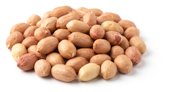
  • Shelled peanut

    Use equal weight. Lightly roast, skin, and grind; introduces a heavier body and a pronounced roasted-nut aroma.

Gram flour
  • Chickpea flour

    Use the same weight. Gram flour is chickpea flour, so this is an exact swap with the same nutty flavour and binding.

  • Plain flour

    Use about 75–80% of the weight, e.g. 80 g for 100 g gram flour, and add a pinch of turmeric for colour. Less nutty and less crisp; good only for thickening or simple batters.

  • Rice flour

    Use the same weight for crispness, but it does not bind like gram flour; mix with a little plain flour if making pakora batter.

Green chilli
  • Chilli powder

    Use 10 to 15% of the weight (about 1/4 teaspoon per chilli); imparts dry pungent heat and reddens the dish without the grassy crunch.

  • Dried red chilli

    Use 1 dried pod per fresh green chilli; snap in half and temper in hot oil for a deeper, toastier heat.

Ginger paste
  • Fresh ginger

    Use equal weight; peel and grate very finely on a microplane or pound to a fine paste in a mortar.

  • Ginger

    Use equal weight; mince finely and crush with the flat of a knife before frying.

  • Ground ginger

    Use 20% of the weight; add directly with the dry spice powders, though it yields an earthier, less pungent profile.

Black pepper
  • Black peppercorn

    Use the same weight and crush or grind as the recipe needs; whole peppercorn is the same spice.

  • Ground black pepper

    Use the same weight; add nearer the end if the recipe calls for whole pepper, as ground loses aroma faster.

  • Ground white pepper

    Use about 75–80% of the weight; it is milder and earthier, with less bite.

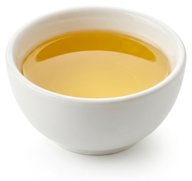
Groundnut oil
  • Peanut oil

    Use the same weight; this is effectively the same oil.

  • Vegetable oil

    Use the same weight. Neutral and less nutty; good for high heat.

  • Corn or vegetable oil

    Use the same weight. Neutral; the dish loses the faint peanut aroma.

Ground coriander
  • Coriander seeds

    Dry-roast lightly in a pan and grind to a fine powder; use equal weight (1:1). Offers a noticeably fresher, brighter citrus note.

  • Ground cumin

    Use 50% to 75% of the weight. Lacks the floral, citrusy profile of coriander and turns the gravy heavier, earthier, and darker.

  • Garam masala

    Use 50% of the weight and stir in near the end of cooking. Adds warmth and depth since it contains ground coriander, but introduces stronger spices like clove and cinnamon.

Chilli powder
  • Red chilli powder

    Use 100% of the weight. Provides direct, sharp heat and red colour in equal measure.

  • Kashmiri chilli powder

    Use 150% to 200% of the weight if matching colour, but add a pinch of black pepper or hot chilli if you need equivalent fiery heat.

  • Cayenne pepper

    Use 75% to 100% of the weight. Offers a sharp, clean heat with slightly less earthy depth and less crimson colour.

Ground turmeric
  • Ground ginger

    Use 50% of the weight. Mimics turmeric's warm, earthy, rhizome background, but provides none of the golden-yellow colour.

  • Saffron

    Steep a tiny pinch (0.1 g per 2 g turmeric) in 2 tbsp warm water; use to match the rich golden hue. Contributes an aristocratic, honeyed floral flavour rather than earthy bitterness.

Ghee
  • Unsalted butter

    Use 120% of the weight; melt gently over low heat to avoid burning the milk solids, which will yield a softer, creamier richness rather than a nutty aroma.

  • Vegetable oil

    Use 85% of the weight; holds high cooking temperatures without smoking, but the final dish will lack traditional dairy depth.

  • Mustard oil

    Use equal weight; heat to smoking point and cool slightly before cooking, bearing in mind it introduces an assertive, pungent edge.

Green cardamom pod
  • Green cardamom seed

    Use 35 to 40% of the total pod weight; lightly bruise the seeds before frying in oil to release their essential oils.

  • Ground green cardamom

    Use 20 to 25% of the pod weight (about 1 generous pinch per pod); stir in toward the end of cooking so the delicate floral notes do not dissipate.

  • White cardamom pod

    Use 1:1 by pod count or weight; crack gently before using, though it is slightly less intensely floral.

Clove
  • Ground cloves

    Use 1 g ground for 4 g whole (or 1 small pinch per 2 to 3 whole cloves). Add with spice powders; disperses intense warmth quickly, so use with restraint.

  • Allspice berries

    Use 100% of the weight whole in tempering. Imparts a warm, clove-like aromatic profile combined with hints of nutmeg and cinnamon.

  • Black cardamom pod

    Use 1 pod for 3 to 4 cloves in whole tempering. Shares a camphor-like warmth and medicinal depth, though it introduces a distinct smoky undertone.

Cassia bark
  • Ceylon cinnamon

    True cinnamon: thinner, papery quills, milder and sweeter. Use about 1.5 times the weight, and taste.

  • Ground cinnamon (cassia)

    Use about a third of the weight (0.5 g ground for a 2.5 cm piece), stirred in with the ground spices rather than fried whole, since the powder burns quickly.

  • Cassia buds

    Use 60-70% of the weight; stronger and more peppery, so taste before adding more.

Bay leaf
  • Cinnamon stick

    Use a 2 cm piece (about 1 g) for every 1 to 2 bay leaves. Fry in whole-spice temperings; provides the cassia-like warmth typical of Indian tejpatta.

  • Ground cinnamon (cassia)

    Use 0.5 g per leaf. Stir into the sauce during simmering; gives the same warm woodiness but darkens the colour slightly.

Onion
  • Shallot

    Use equal weight, finely sliced. Shallots soften and brown faster, giving a slightly sweeter and more delicate base to curries.

  • Cabbage

    Use 80% of the weight, finely shredded and browned slowly with a pinch of asafoetida. Replicates the bulk and natural sweetness in gravies without allium.

Garlic paste
  • Garlic

    Use equal weight; crush or finely grate to a smooth pulp to replicate the same fresh, pungent moisture in your base gravy.

  • Garlic powder

    Use 20 to 25% of the weight; mix with a teaspoon of water before adding to oil so it does not burn, noting it lacks the fresh bite.

Tomato
  • Tomato purée

    Use 40% to 50% of the fresh tomato weight mixed with a splash of water. Imparts a deeper red colour, thicker sauce, and slightly sweeter cooked flavour.

  • Plain yogurt

    Use 60% of the weight, whisked smooth and added on low heat. Provides rich body and sourness, though the gravy becomes paler and creamier.

Ground black cardamom
  • Black cardamom seeds

    Use equal weight; grind freshly in a mortar or spice mill for an even more vibrant camphor-and-smoke aroma.

  • Black cardamom pod

    Use 2.5 times the weight in whole pods; crack open, extract the sticky seeds, and grind to a fine powder, discarding the husks.

  • Garam masala

    Use 60% of the weight; provides some warm resinous smokiness if it contains black cardamom, though it adds cinnamon and clove notes.

Ground fenugreek
  • Fenugreek seeds

    Grind whole seeds finely in a spice grinder; use equal weight (1:1). Ensure it cooks through gently, as undercooked or burnt ground seeds become intensely bitter.

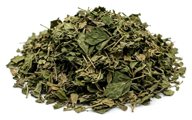
  • Dried fenugreek leaves

    Crush dried leaves between your palms and add towards the end; use 50% of the weight. Gives the unmistakable maple-herb aroma without the sharp bitterness of the seeds.


  • Yellow mustard seeds

    Grind finely; use 50% of the weight. Adds an earthy, sharp bite, though it lacks the distinctive sweet-curry smell.

Coriander leaf
  • Coriander

    Use equal weight finely chopped; this is the exact same fresh herb.

  • Mint

    Use half the weight finely chopped; provides vibrant green freshness, though the flavour profile becomes noticeably cooler and sharper.

Similar dishes

Dahi ki Machhali
Fish Cooked in Yoghurt Sauce
Dahi ki Machhali has a creamy, peppery, and dairy-tangy profile instead of the sweet, nutty, and bright tomato-based richness of this dish.
  • Same: Both dishes simmer their main components in a gravy spiced with ginger, garlic, turmeric, ground coriander, chilli powder, cinnamon, cloves, and cardamom.
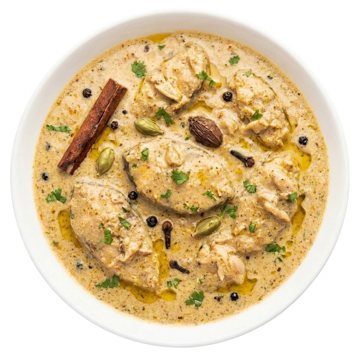
  • Different: Dahi ki Machhali simmers fish directly in a yogurt- and vegetable oil-based sauce with black peppercorns, omitting this dish's ghee, tomatoes, fenugreek, and fried fruit-stuffed dumplings.
Veinchana Royyaalu
Curried Prawns (Shrimp)
Veinchana Royyaalu tastes sharply sour from lime juice with direct green-chilli heat and warm spice depth, while this dish is tangy from tomato with a rich ghee note and a sweet, nutty dried-plum centre.
  • Same: Veinchana Royyaalu shares onion, tomato, green chilli, ginger paste, ground coriander, chilli powder, cardamom and clove with this dish, and both are simmered in a spiced tomato-based gravy.
  • Different: Veinchana Royyaalu uses prawns, lime juice, vegetable oil and aniseed, while this dish uses bottle gourd, gram flour, dried plum, almond, ghee, black cardamom, fenugreek and bay leaf; it also lacks this dish's stuffed fried dumplings.
Dahiwala Meat
Lamb in Yoghurt Sauce (I)
Dahiwala Meat tastes tangy and savoury from yoghurt with aromatic whole spices, while this dish has a tangy tomato sauce plus a sweet, nutty dried-plum centre and crisp gourd dumplings.
  • Same: Dahiwala Meat shares ghee, onion, ginger paste, garlic paste, green chilli, clove, green cardamom, cinnamon, ground coriander, chilli powder, salt and coriander leaf with this dish, and both are spiced North Indian curries.
  • Different: Dahiwala Meat uses lamb braised in a yoghurt base with black cardamom and garam masala, while this dish uses bottle gourd and gram flour dumplings stuffed with dried plum and almond in a tomato sauce with groundnut oil and fenugreek.
Gol Maas Kaachar
Lamb with Kachri
Gol Maas Kaachar tastes robustly meaty, pungent from mustard oil, and sharply tart from kachri, lacking the sweet, nutty plum-and-almond contrast of this dish.
  • Same: Gol Maas Kaachar shares whole spices like cinnamon, cloves, bay leaf, and green cardamom, along with an onion, ginger, garlic, and tomato base.
  • Different: Gol Maas Kaachar braises lamb in mustard oil and yogurt rather than simmering stuffed bottle gourd dumplings in ghee and a tomato-heavy sauce.