
Afghani Quail with Shallot & Ginger Raita
Spatchcocked quail sits in a rich cream, cheese, cashew and seed marinade, then is grilled and finished with butter, lime and chaat masala. It is creamy, tangy and lightly spiced, served with shallot and ginger raita and rice.
Marinade spices
56 gToasted and ground, then mixed into the cream marinade (steps 1–3)Finishing chaat masala
0.3 gSprinkled over the grilled quail (step 6)Everything else
Method
- In a dry frying pan over medium heat, toast 19.8 g melon seeds and 16.8 g white poppy seeds for 3 minutes, until fragrant and lightly browned. Tip out to cool.
- Grind the cooled seeds to a powder.
- In a large bowl, mix the ground seeds and the rest of the marinade spices with 199 g double cream, 31.8 g cashew butter, 40.5 g vegetable oil, 6.9 g freshly ground black pepper, 150 g grated cheddar, 2.2 g ground green cardamom, 30 g ginger garlic paste and 0.3 g saffron strands soaked in a little warm water, using the soaking liquid too.
- Add 480 g spatchcocked quail and turn to coat. Cover and refrigerate for at least 12 hours, preferably overnight.
- Heat the grill (broiler) to high. Grill the quail skin-side down for about 4 minutes, then turn and grill for about 4 minutes more, until well coloured but not scorched. If the skin darkens too quickly, move the quail to a hot oven for 5 minutes to finish cooking.
- Brush the cooked quail with 28.2 g melted butter, squeeze over lime juice to taste and dust with the finishing chaat masala. Rest for about 10 minutes.
- Serve with 200 g shallot and ginger raita and cooked basmati rice to taste.
Don't have something?
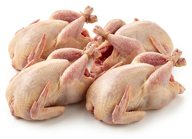
 Chicken thigh
Use the same weight, cut into small pieces. Cook 10–15 minutes longer until tender; milder flavour.
 Guinea fowl
Use the same weight, jointed small. Stronger game flavour and needs 15–20 minutes more cooking.
 Whole partridge
Use the same weight, cut into pieces. Larger and tougher; simmer 20–30 minutes longer.


 Unsalted butter
Use 100% of the weight. If the original recipe relies on salted table butter, add a pinch of salt to balance.
 Ghee
Use 80% to 85% of the weight. Ghee is pure butterfat with moisture removed; it yields a deeper, nuttier flavour and handles high heat better.
 Vegetable oil
Use 80% of the weight for frying or tempering. The dish loses sweet dairy richness but remains glossy and light.



 Lemon juice
Use equal volume or weight; slightly sweeter and less pungent, but otherwise an imperceptible swap.
 Dried mango powder
Use 25% of the weight; imparts dry, fruity sourness, best stirred in right at the end of cooking.
 Tamarind extract
Use 50% of the weight; delivers pleasant fruity tang but turns pale sauces considerably darker.


 Tandoori snack spice mix
Use the same weight; taste first as it can be smokier and saltier. Add lime or amchoor if the dish needs more tang.
 Dried mango powder
Use about half the weight, mixed with black salt and a pinch of ground cumin. It gives tang and saltiness but lacks the minty, asafoetida notes.
 Black salt
Use about half the weight and add lime juice to taste. It gives the salty, sulphurous edge but not the full tangy blend.


 Full-fat natural yoghurt
Use the same weight; stir in finely chopped shallot and grated ginger if you are making it from plain yoghurt. Same texture and cooling effect.
 Plain yoghurt
Use the same weight, but strain for 30 minutes first if it is thin, then add shallot and ginger. Slightly looser raita.
 Mint raita
Use the same weight; it is ready-flavoured and thicker, but mint replaces the shallot-ginger flavour.



 Plain boiled rice
Use 2.5 times the weight if substituting pre-cooked rice. Fold in gently at the end of the recipe; grains will be shorter and less fragrant.


 Cashew nut
Use 80% of the weight, soaked in hot water 20 minutes and ground to a paste. Sweeter and richer; reduce added cream or nuts.
 Almond
Use the same weight, blanched and ground. Slightly more textured and nuttier; soak if making a paste.
 Peanut
Use the same weight, roasted and ground. Stronger flavour; use only where peanuts are welcome.


 Poppy seed
Use the same weight; grey seeds make a darker paste but taste close.
 White sesame seed
Use the same weight, lightly toasted; the paste is nuttier and less thickening.
 Cashew nut paste
For 10 g poppy seeds use about 15 g cashew nut paste; it thickens more, so reduce other thickeners.


 Heavy cream
Use the same weight; whips and cooks almost identically.
 Single cream
Use the same weight in cooking, but it will not whip; reduce other liquid slightly.
 Clotted cream
Use 80% of the weight; richer and thicker, good for serving but not for whipping.


 Almond paste
Use the same weight; loosen with 1–2 tbsp water if thick. It is slightly grainier and less sweet, so the gravy will be a little less rich.
 Ground almonds
Use the same weight; blend with about 2 tbsp water per 25 g to make a paste. It thickens well but gives a coarser, less silky gravy.
 Peanut paste
Use 80% of the weight and thin with water. It has a stronger roasted flavour, so use in dishes where that is welcome.


 Peanut oil
Use 1:1 by weight. Handles high-heat frying identically and introduces a very subtle, pleasant nuttiness.
- Ghee
Use 1:1 by weight. Yields a much richer, authentic aroma and a glossy, heavier mouthfeel.
 Mustard oil
Use 1:1 by weight. Heat until smoking, then cool slightly before cooking to temper its intensely pungent, sharp mustard kick.


 Black peppercorn
Use the same weight and crush or grind as the recipe needs; whole peppercorn is the same spice.
 Ground black pepper
Use the same weight; add nearer the end if the recipe calls for whole pepper, as ground loses aroma faster.
 Ground white pepper
Use about 75–80% of the weight; it is milder and earthier, with less bite.


 Processed cheese
Use the same weight; grate or slice. Melts more smoothly but is saltier, so reduce added salt.
 Cheese
Use the same weight; choose a firm melting cheese and grate. Flavour varies with the cheese.
 Paneer
Use the same weight; grate or crumble. It will not melt like cheddar and is less salty; best where cheese is a filling rather than a melt.


 Green cardamom seed
Use 35 to 40% of the total pod weight; lightly bruise the seeds before frying in oil to release their essential oils.
 Ground green cardamom
Use 20 to 25% of the pod weight (about 1 generous pinch per pod); stir in toward the end of cooking so the delicate floral notes do not dissipate.
 White cardamom pod
Use 1:1 by pod count or weight; crack gently before using, though it is slightly less intensely floral.


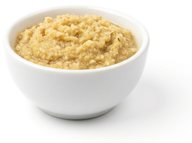
- Ginger and garlic paste
Use the same weight; the difference is only the order of the names.
 Garlic paste
Mix with an equal weight of ginger paste and use the same total weight.
 Garlic
For 20 g paste use about 10 g crushed garlic and 10 g grated ginger root with a splash of water. Add a little extra water if the dish looks dry.


 Saffron powder
Use the same weight; it disperses faster, so no steeping is needed. Add directly to warm milk or oil.
 Ground turmeric
Use a tiny pinch for colour only, about 1 g for 0.2 g saffron. It will not give saffron flavour.
 Screwpine water or rosewater
Use 1 tsp for a floral scent only. It does not replace saffron's colour or taste.


Similar dishes

- Same: Tandoori Tangri Kebab shares with this dish a cream-and-cheddar-cheese marinade with ginger garlic paste, lime or lemon, black pepper and a butter finish.
- Different: It uses chicken drumsticks with Greek yoghurt, egg, cornflour, mild chilli powder and garam masala and a pepper butter baste, and lacks this dish's quail, cashew butter, melon seeds, poppy seeds, saffron, cardamom, chaat masala, raita and rice.
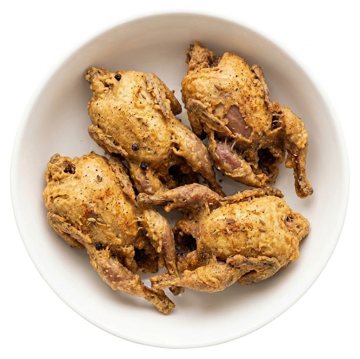
- Same: Doodhiya Bataer shares quail, saffron, green cardamom, black pepper, vegetable oil, and a citrus souring agent with this dish.
- Different: Doodhiya Bataer simmers quail in milk with fennel, chilli, clove, cinnamon and bay leaf, then deep-fries it in a chickpea-flour batter; this dish marinates spatchcocked quail in cream, cheddar, cashew butter, melon and poppy seeds, grills it, and serves it with raita and basmati rice.

- Same: Cheese ke Bhajiya shares cheddar cheese, vegetable oil and black pepper with this dish.
- Different: Cheese ke Bhajiya is a self-raising flour, egg, milk and baking powder batter fritter with garam masala, fried in oil, while this dish is grilled quail in a cream, cashew butter, melon seed, poppy seed, cheddar, saffron and cardamom marinade served with raita and rice.

- Same: Rajbhog shares with this dish the use of cardamom and dairy, but it uses black cardamom and chhena-khoya rather than green cardamom and cream-cheese.
- Different: Rajbhog is a sweet dessert made from chhena dumplings filled with khoya and soaked in rosewater sugar syrup, while this dish is a savory grilled quail with a cream, cheddar, cashew and seed marinade, lime, chaat masala and raita.