
Doodhiya Bataer
Quail is gently simmered in spiced, saffron-infused milk until tender, then coated in a light chickpea batter and deep-fried until crisp and golden.
Batter spices
2.4 gWhisked into the chickpea batter (step 1)Pounded pepper
0.1 gStirred into the boiling milk (step 2)Whole poaching spices
14 gAdded to the simmering milk with the quail (step 3)Everything else

Method
- Whisk 100 g chickpea flour, the batter spices, 30.6 g lemon juice, 250 g of the milk, 1 teaspoon of the saffron, and a pinch of salt in a bowl to create a smooth batter.
- Pour the remaining 991 g milk into a large, heavy pan and bring to a boil. Add the pounded pepper and simmer for 1 minute.
- Add 12 quail, the whole poaching spices, the remaining 1 teaspoon saffron, and salt to taste to the pan. Cook gently over medium heat until the birds are tender.
- Transfer the quail to a plate and set aside, reserving the cooking liquid.
- Pour vegetable oil into a deep pan and heat to 180°C (350°F).
- Submerge each quail in the batter until well coated, then fry in the hot oil until a crisp, cream-coloured crust forms. Drain on kitchen paper and serve.
Don't have something?


 Saffron thread
Use the same weight. Crush the threads and steep in 1 tbsp hot milk for 10 minutes before adding; colour will be less even.
 Ground turmeric
Use a tiny pinch for colour only, about 1 g for 0.2 g saffron powder. It adds no saffron aroma and can make the dish earthy.
 Screwpine water or rosewater
Use 1 tsp for a floral note, not for colour. It will not taste of saffron.



 Whole milk
Use equal weight; provides the standard rich dairy fat and body expected in creamy Indian bases.
 Single cream
Dilute 3 parts cream with 1 part water to match the weight; yields a richer, glossier gravy that resists curdling.
 Plain yogurt
Whisk thoroughly and use equal weight; adds extra body and a mild pleasant acidity, best added off the heat.


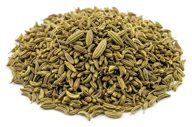
 Fennel seed
Grind whole seeds finely; use equal weight (1:1). Provides a fresh, sweet, aniseed aroma that is slightly stronger than pre-ground powder.
 Aniseed
Grind finely; use 75% to 80% of the weight. Has a sharper, sweeter liquorice taste with less of fennel's herbal earthiness.
 Star anise
Grind whole star anise finely; use 30% to 40% of the weight. Very potent aniseed flavour that easily overpowers a dish if not used sparingly.


 Red chilli powder
Use 100% of the weight. Provides direct, sharp heat and red colour in equal measure.
 Kashmiri chilli powder
Use 150% to 200% of the weight if matching colour, but add a pinch of black pepper or hot chilli if you need equivalent fiery heat.
 Cayenne pepper
Use 75% to 100% of the weight. Offers a sharp, clean heat with slightly less earthy depth and less crimson colour.


 Yellow split pea flour
Use 100% of the weight. Many commercial gram flours are milled from split peas; performs identically in pakora batters and kadhi.
 Cornstarch
For crisping batters or binding cutlets: use 50% to 60% of the weight. Produces a very crisp shell but lacks the earthy, roasted nutty flavour of besan.


 Lime juice
Use equal volume or weight; delivers almost identical sharp acidity with a faintly more aromatic, bitter-edged profile.
 Dried mango powder
Use 25% of the weight (about 1 g amchoor for 4 g juice); provides clean fruity tartness without thinning the sauce.
 White vinegar
Use 75% of the volume; gives direct sourness without any citrus floral fragrance.


 Coarsely ground black pepper
Use 75% of the weight. Add midway through simmering; spreads heat evenly through the dish instead of delivering isolated bursts.
 Ground black pepper
Use 50% of the weight. Stir in near the end of cooking; significantly darkens light gravies and provides an immediate, sharp bite.


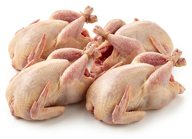
 Chicken thigh
Use the same weight, cut into small pieces. Cook 10–15 minutes longer until tender; milder flavour.
 Guinea fowl
Use the same weight, jointed small. Stronger game flavour and needs 15–20 minutes more cooking.
 Whole partridge
Use the same weight, cut into pieces. Larger and tougher; simmer 20–30 minutes longer.


- Aniseed
Use 75% of the weight. Fry in hot oil or ghee; has a sharper, more pronounced liquorice flavour, so use a lighter hand.
- Ground fennel seed
Use 60% of the weight. Stir into the sauce with ground masalas; provides identical sweet aniseed flavour without whole seed crunch.
- Star anise
Use one point (single carpel) per 1 g of fennel seeds. Simmer in gravies and remove before serving; gives a deeper, woodier liquorice aroma.


 Green cardamom seed
Use 35 to 40% of the total pod weight; lightly bruise the seeds before frying in oil to release their essential oils.
 Ground green cardamom
Use 20 to 25% of the pod weight (about 1 generous pinch per pod); stir in toward the end of cooking so the delicate floral notes do not dissipate.
 White cardamom pod
Use 1:1 by pod count or weight; crack gently before using, though it is slightly less intensely floral.


 Ground cloves
Use 1 g ground for 4 g whole (or 1 small pinch per 2 to 3 whole cloves). Add with spice powders; disperses intense warmth quickly, so use with restraint.
 Allspice berries
Use 100% of the weight whole in tempering. Imparts a warm, clove-like aromatic profile combined with hints of nutmeg and cinnamon.
 Black cardamom pod
Use 1 pod for 3 to 4 cloves in whole tempering. Shares a camphor-like warmth and medicinal depth, though it introduces a distinct smoky undertone.


 Ceylon cinnamon
True cinnamon: thinner, papery quills, milder and sweeter. Use about 1.5 times the weight, and taste.
 Ground cinnamon (cassia)
Use about a third of the weight (0.5 g ground for a 2.5 cm piece), stirred in with the ground spices rather than fried whole, since the powder burns quickly.
 Cassia buds
Use 60-70% of the weight; stronger and more peppery, so taste before adding more.


- Cinnamon stick
Use a 2 cm piece (about 1 g) for every 1 to 2 bay leaves. Fry in whole-spice temperings; provides the cassia-like warmth typical of Indian tejpatta.
- Ground cinnamon (cassia)
Use 0.5 g per leaf. Stir into the sauce during simmering; gives the same warm woodiness but darkens the colour slightly.


 Peanut oil
Use 1:1 by weight. Handles high-heat frying identically and introduces a very subtle, pleasant nuttiness.
 Ghee
Use 1:1 by weight. Yields a much richer, authentic aroma and a glossy, heavier mouthfeel.
 Mustard oil
Use 1:1 by weight. Heat until smoking, then cool slightly before cooking to temper its intensely pungent, sharp mustard kick.


Similar dishes
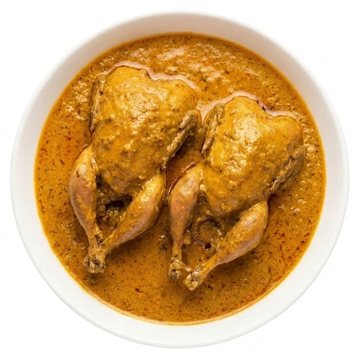
- Same: Both recipes use quail seasoned with whole aromatics like green cardamom, cinnamon, cloves, and bay leaf along with chilli powder and black pepper.
- Different: Instead of simmering the quail in milk and deep-frying it in a chickpea batter, Shola e Dil stuffs the birds with minced chicken and stews them in a ghee and yogurt gravy flavored with ginger, garlic, onion, and rosewater.

- Same: Both dishes cook the meat in milk infused with green cardamom, cinnamon, cloves, black pepper, and fennel.
- Different: Aab Gosht braises lamb in ghee with garlic, ginger, and onion paste into a creamy stew, whereas this dish coats simmered quail in chickpea batter and deep-fries it in oil.

- Same: Bataer Masaledar shares quail, saffron, chilli powder, clove, cinnamon and bay leaf with this dish, and both simmer the quail with spices.
- Different: Bataer Masaledar adds a minced-chicken stuffing and an onion-tomato-yogurt-almond gravy with ghee, garlic, ginger, vinegar and red wine, while it lacks this dish's milk simmer, chickpea-flour batter, lemon juice and deep-frying in vegetable oil.

- Same: Like this dish, Kabargah is poached in milk spiced with cardamom, cloves, cinnamon, and fennel before being battered and fried.
- Different: Kabargah uses lamb ribs fried in ghee with ground ginger and asafoetida, whereas this dish uses quail fried in vegetable oil with chickpea flour and lemon juice.