
Sulla Rump of Venison with Chutney & Artichoke Crisps
Venison rump marinated in a spiced yoghurt, then seared and brushed with butter, served with pumpkin chutney and crisp fried artichokes. The spice mix is warm and aromatic, the yoghurt tangy, and the artichoke crisps lightly hot and salty.
Marinade spice powder
26 gToasted and ground for the yoghurt marinade (step 2)Artichoke crisp seasoning
8 gSprinkled over the fried artichoke crisps (step 6)Everything else

Method
- Put 200 g greek yoghurt into a muslin cloth, tie it closed and suspend it over a bowl for 1 hour. Do not stir it during this time.
- Dry-toast 3.3 g green cardamom pods, 6 g fennel seed, 5.1 g coriander seeds, 8.7 g black peppercorns and 3.2 g cloves in a frying pan over medium heat until aromatic. Let them cool, then grind them with 7.8 g dried crispy onion in a food processor until powdery.
- Stir the marinade spice powder into the strained yoghurt with 24 g finely chopped green chilli, 100 g finely chopped fresh coriander, 40.5 g mustard oil and sea salt to taste. Coat 800 g venison rump steak in this mixture, cover and refrigerate for at least 12 hours, preferably overnight.
- Pour 913 g vegetable oil into a deep heavy saucepan and heat to 180°C (350°F). A cube of bread should sizzle when dropped in.
- Lower 200 g peeled, thinly sliced jerusalem artichoke into the hot oil one slice at a time and fry for 1–2 minutes until light golden. Lift out with a slotted spoon and drain on kitchen paper.
- Dust the drained artichoke crisps with the artichoke crisp seasoning.
- Heat a heavy frying pan over medium-high heat. Cook the marinated venison for about 5 minutes, turning every minute or so. Remove it, brush with 28.2 g melted butter and rest for 8 minutes.
- Slice the venison and arrange on plates. Serve with 100 g pumpkin chutney and the artichoke crisps.
Don't have something?


 Hung natural yoghurt
Use the same weight and whisk smooth; same thick consistency.
 Full-fat natural yoghurt
Use 1.25 times the weight and strain through muslin for 30 minutes; looser if not strained.
 Hung yogurt
Use the same weight; virtually identical.


 Green cardamom seed
Use 35 to 40% of the total pod weight; lightly bruise the seeds before frying in oil to release their essential oils.
 Ground green cardamom
Use 20 to 25% of the pod weight (about 1 generous pinch per pod); stir in toward the end of cooking so the delicate floral notes do not dissipate.
 White cardamom pod
Use 1:1 by pod count or weight; crack gently before using, though it is slightly less intensely floral.


 Aniseed
Use 75% of the weight. Fry in hot oil or ghee; has a sharper, more pronounced liquorice flavour, so use a lighter hand.
 Ground fennel seed
Use 60% of the weight. Stir into the sauce with ground masalas; provides identical sweet aniseed flavour without whole seed crunch.
 Star anise
Use one point (single carpel) per 1 g of fennel seeds. Simmer in gravies and remove before serving; gives a deeper, woodier liquorice aroma.


 Ground coriander
Use 75% of the weight; stir in along with wet masala or tomato purée rather than frying in hot oil, as the fine powder burns instantly.
 Cumin seed
Use 50% of the weight for tempering in hot oil. Lacks the floral, sweet citrus flavour of coriander, introducing warm, pungent earthiness instead.
- Fennel seed
Use 50% of the weight in tempering; provides pleasant aromatic sweetness, though noticeably aniseedy rather than citrusy.


 Coarsely ground black pepper
Use 75% of the weight. Add midway through simmering; spreads heat evenly through the dish instead of delivering isolated bursts.
 Ground black pepper
Use 50% of the weight. Stir in near the end of cooking; significantly darkens light gravies and provides an immediate, sharp bite.


 Ground cloves
Use 1 g ground for 4 g whole (or 1 small pinch per 2 to 3 whole cloves). Add with spice powders; disperses intense warmth quickly, so use with restraint.
 Allspice berries
Use 100% of the weight whole in tempering. Imparts a warm, clove-like aromatic profile combined with hints of nutmeg and cinnamon.
 Black cardamom pod
Use 1 pod for 3 to 4 cloves in whole tempering. Shares a camphor-like warmth and medicinal depth, though it introduces a distinct smoky undertone.


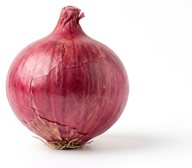
 Fried onion
Use the same weight and crush lightly; already fried, so add at the end or as a garnish.
 Onion
Use about 2.5 times the weight of raw onion, slice thin and fry until deep golden, then drain; sweeter and less crisp.


 Chilli powder
Use 10 to 15% of the weight (about 1/4 teaspoon per chilli); imparts dry pungent heat and reddens the dish without the grassy crunch.
 Dried red chilli
Use 1 dried pod per fresh green chilli; snap in half and temper in hot oil for a deeper, toastier heat.


 Coriander leaf
Use equal weight, chopped fresh and stirred in off the heat or used as garnish. Matches the citrus-herbal profile identically.
 Mint
Use 40% to 50% of the weight; chop finely and add at the very end. Adds fresh herbal brightness, but shifts the aroma toward cool menthol.


 Peanut oil
Use equal weight. It handles high-heat cooking well, but lacks the signature pungent, nasal heat of mustard oil.
 Vegetable oil
Use equal weight. Neutral in flavour, so your curry will lack the characteristic Bengali or North Indian pungent punch.


 Unsalted butter
Use 100% of the weight. If the original recipe relies on salted table butter, add a pinch of salt to balance.
 Ghee
Use 80% to 85% of the weight. Ghee is pure butterfat with moisture removed; it yields a deeper, nuttier flavour and handles high heat better.
- Vegetable oil
Use 80% of the weight for frying or tempering. The dish loses sweet dairy richness but remains glossy and light.


 Beef tenderloin steak
Use the same weight. Lean and tender; cook 1–2 minutes less per side to keep it pink.
 Lamb fillet
Use the same weight. Mild gamey note; cook 1 minute less per side.
 Bavette steak
Use the same weight. Cook 2 minutes longer per side, then rest and slice thinly across the grain.


 Pumpkin or butternut squash
Use the same weight and cook it down with sugar, vinegar and the same spices to make the chutney. It takes 20–30 minutes and gives the closest flavour.
 Mango chutney
Use the same weight. It is sweeter and fruitier, so add a little vinegar or lemon juice to sharpen it.
 Pumpkin or ash gourd
Use the same weight. Ash gourd is blander and more watery, so drain well and reduce it longer with the spices.


- Peanut oil
Use 1:1 by weight. Handles high-heat frying identically and introduces a very subtle, pleasant nuttiness.
- Ghee
Use 1:1 by weight. Yields a much richer, authentic aroma and a glossy, heavier mouthfeel.
- Mustard oil
Use 1:1 by weight. Heat until smoking, then cool slightly before cooking to temper its intensely pungent, sharp mustard kick.


 Potato
Use the same weight, peel and cube; it gives a neutral body and similar cooking time, though you lose the nutty sweetness.
 Sweet potato
Use the same weight, peel and cube; it softens a little faster, so add 5 minutes later, and expect a sweeter, softer curry.
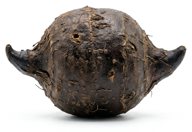 Water chestnut
Use the same weight, sliced; it keeps crunch but not the earthy flavour, so add in the last 10 minutes.


 Tandoori snack spice mix
Use the same weight; taste first as it can be smokier and saltier. Add lime or amchoor if the dish needs more tang.
 Dried mango powder
Use about half the weight, mixed with black salt and a pinch of ground cumin. It gives tang and saltiness but lacks the minty, asafoetida notes.
 Black salt
Use about half the weight and add lime juice to taste. It gives the salty, sulphurous edge but not the full tangy blend.


 Dried kashmiri chilli
Grind deseeded dried pods to an equal weight of powder; gives identical vivid red colour and gentle warmth.
 Red chilli powder
Use 25% of the weight mixed with sweet paprika for colour; straight red chilli powder is substantially hotter and will make the dish fiery.
- Chilli powder
Use one-third of the weight; the sauce will be less intensely red and notably sharper in heat.
Similar dishes
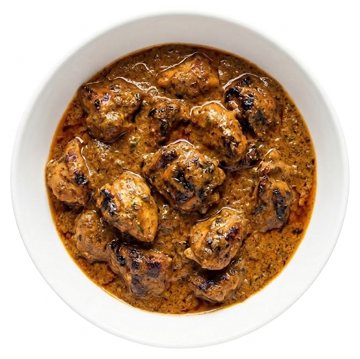
- Same: Aslam Butter Chicken shares with this dish a Greek-yoghurt marinade, warm spices such as coriander seed, clove, green cardamom and Kashmiri chilli, and a chaat-masala finish.
- Different: Aslam Butter Chicken uses chicken thigh, malt vinegar, coal smoke, ghee, soured cream and single cream in a buttery cream sauce, while this dish uses venison rump, mustard oil, pumpkin chutney and fried Jerusalem artichoke crisps and has no cream or vinegar.
- Same: Garam Masala shares coriander seeds, green cardamom, clove and black peppercorn with this dish, so both are warm and aromatic.
- Different: Garam Masala is only a toasted ground spice blend with cassia and black cardamom, while this dish also has yoghurt, venison, mustard oil, butter, pumpkin chutney, green chilli and fried Jerusalem artichoke.
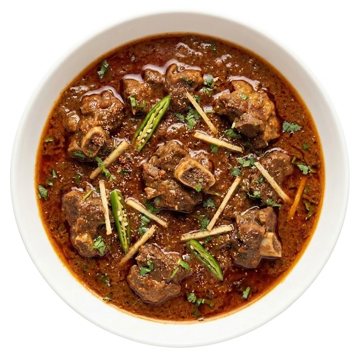
- Same: Lucknowi Lamb Nihari shares warm whole spices with this dish, including cardamom, clove, coriander seed, fennel seed, black peppercorn and Kashmiri chilli.
- Different: Lucknowi Lamb Nihari uses bone-in lamb shoulder, ghee and wholemeal flour to make a slow-cooked stew, while this dish uses venison rump, a spiced yoghurt marinade, butter, mustard oil, pumpkin chutney and fried Jerusalem artichokes.

- Same: Gana’s Pork Cheek Coorg shares with this dish warm whole spices such as coriander, black pepper, clove and cardamom, plus green chilli, kashmiri chilli powder and a tangy souring element.
- Different: It uses pork cheeks slow-cooked with malt vinegar, tamarind-date chutney, red onion, ginger garlic paste, turmeric, peanuts and pickled fennel, and lacks this dish’s yoghurt marinade, venison rump, butter, artichokes, chaat masala and mustard oil.