
Punjabi Handi Murgh
A Punjabi chicken curry with a thick onion-rich gravy, warm cardamom and garam masala, and a fresh hit of ginger and coriander.
Whole spices for the ghee
7 gAdded to the hot ghee at the start (step 2)Garlic paste masala
9 gStirred into the onions with the ginger (step 5)Ground spices for the sauce
11 gStirred into the tomato-onion mixture (step 7)Finishing spices
2.7 gSprinkled in near the end with the green chillies (step 10)Everything else


Method
- Melt 52.8 g ghee in a saucepan over medium heat.
- Add the whole spices for the ghee and fry briefly until fragrant.
- Add 400 g onion and cook for 30–35 minutes, stirring occasionally, until soft and evenly browned.
- Lift out half the onion and keep it aside.
- Stir in the garlic paste masala (9 g garlic) and 20 g ginger; cook for 1 minute.
- Add 100 g tomato purée and cook for 2–3 minutes, until reduced and thick.
- Add the ground spices for the sauce and stir well.
- Add 750 g chicken and turn it through the spices; season with salt and fry for 6–7 minutes to colour the outside.
- Add 49.7 g water and the reserved onion; cover, lower the heat and simmer for 20 minutes, stirring once halfway and loosening with a splash of water if it sticks.
- When the chicken is cooked and the gravy is thick, add the finishing spices and 6 g green bird’s eye chilli; simmer uncovered for 5 minutes.
- Stir through chopped coriander leaf and serve warm.
Don't have something?


 Unsalted butter
Use 120% of the weight; melt gently over low heat to avoid burning the milk solids, which will yield a softer, creamier richness rather than a nutty aroma.
 Vegetable oil
Use 85% of the weight; holds high cooking temperatures without smoking, but the final dish will lack traditional dairy depth.
 Mustard oil
Use equal weight; heat to smoking point and cool slightly before cooking, bearing in mind it introduces an assertive, pungent edge.


 Ground black cardamom
Use 0.5 g of ground seeds for each whole pod. Stir directly into the curry base; delivers identical smoky flavour without woody husks.
 Green cardamom pod
Use equal pod count or weight. Crack slightly and fry whole; tastes sweet, menthol-fresh, and floral rather than dark and smoky.


 Green cardamom seed
Use 35 to 40% of the total pod weight; lightly bruise the seeds before frying in oil to release their essential oils.
 Ground green cardamom
Use 20 to 25% of the pod weight (about 1 generous pinch per pod); stir in toward the end of cooking so the delicate floral notes do not dissipate.
 White cardamom pod
Use 1:1 by pod count or weight; crack gently before using, though it is slightly less intensely floral.






 Garlic paste
Use the same weight; about 1 clove weighs 3 g, so 3 g paste per clove.
 Crushed garlic
Use the same weight; crush just before adding so the flavour stays fresh.
 Garlic powder
Use one-third of the weight, about 1 g powder for 3 g fresh clove; add a little water if the recipe needs moisture.


 Ginger paste
Use equal weight. Sauté in hot fat until the raw allium smell disappears; slightly wetter, but provides identical warmth and pungency.
 Ground ginger
Use 20% to 25% of the weight (1 g for every 4 to 5 g fresh). Stir into the gravy; adds peppery heat and warmth, though it misses the crisp, zesty kick of raw root.


 Tomato purée
Use 40% to 50% of the fresh tomato weight mixed with a splash of water. Imparts a deeper red colour, thicker sauce, and slightly sweeter cooked flavour.
 Plain yogurt
Use 60% of the weight, whisked smooth and added on low heat. Provides rich body and sourness, though the gravy becomes paler and creamier.


 Dried kashmiri chilli
Grind deseeded dried pods to an equal weight of powder; gives identical vivid red colour and gentle warmth.
 Red chilli powder
Use 25% of the weight mixed with sweet paprika for colour; straight red chilli powder is substantially hotter and will make the dish fiery.
 Chilli powder
Use one-third of the weight; the sauce will be less intensely red and notably sharper in heat.


- Ground ginger
Use 50% of the weight. Mimics turmeric's warm, earthy, rhizome background, but provides none of the golden-yellow colour.
 Saffron
Steep a tiny pinch (0.1 g per 2 g turmeric) in 2 tbsp warm water; use to match the rich golden hue. Contributes an aristocratic, honeyed floral flavour rather than earthy bitterness.


 Coriander seeds
Dry-roast lightly in a pan and grind to a fine powder; use equal weight (1:1). Offers a noticeably fresher, brighter citrus note.
 Ground cumin
Use 50% to 75% of the weight. Lacks the floral, citrusy profile of coriander and turns the gravy heavier, earthier, and darker.
 Garam masala
Use 50% of the weight and stir in near the end of cooking. Adds warmth and depth since it contains ground coriander, but introduces stronger spices like clove and cinnamon.


 Chicken thigh
Use the same weight; cut to similar size. Juicier and forgiving; bone-in needs 5–10 minutes longer.
 Chicken breast
Use the same weight; cut to similar size. Cooks faster and is drier, so reduce time by 3–5 minutes.
 Boneless chicken piece
Use the same weight; cooks faster than bone-in, so reduce time by 5–10 minutes.


 Stock
Use the same weight in savoury dishes; it adds body, so adjust salt.
 Milk
Use the same weight only in doughs or creamy dishes; it makes the result richer.
 Coconut water
Use the same weight in curries or rice; it adds sweetness and a faint coconut taste.


- Ground cumin
Use 50% of the weight mixed with equal parts ground coriander and a pinch of ground cinnamon, ground cloves, and ground green cardamom. Sprinkle near the end for a warming finish.
 Lentil stew spice mix
Use 75% of the weight. Simmer briefly in the gravy; imparts roasted warmth and complexity, though it adds a slight tang and earthy lentil undertone.


 Cardamom seed
Grind the same weight; remove the pods first for a cleaner, stronger powder.
 Green cardamom pod seed
Grind the same weight of the seeds from green pods; discard the husks for the best flavour.
- Ground green cardamom
Use the same weight; it is the same spice and works directly.


- Bird's eye green chilli
Use the same weight; heat and flavour are very close.
 Green chilli
Use 1.5 to 2 times the weight; deseed for less heat. Larger chillies are more watery.
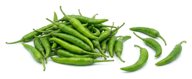 Fresh green chilli
Use 1.5 to 2 times the weight; chop finely and adjust heat by tasting.


Similar dishes

- Same: Bhopal Haryali Murgh Rezala shares bone-in chicken, onion, garlic, ginger, green bird’s eye chilli, coriander leaf, ground coriander, garam masala, water and salt with this dish.
- Different: It uses vegetable oil instead of ghee, adds cashew, mint and double cream, and lacks tomato, turmeric, Kashmiri chilli powder, black cardamom and ground cardamom; its onion is blended into a green herb paste rather than cooked into a thick tomato-onion gravy.

- Same: Kolkata Doi Murgi shares chicken, onion, garlic, ginger, Kashmiri chilli, turmeric, garam masala, cardamom and coriander leaf with this dish.
- Different: Kolkata Doi Murgi builds its gravy from thick yoghurt and mustard oil, with bay leaf, cinnamon, dried Kashmiri chilli and black pepper, while this dish uses ghee, tomato, black cardamom and fresh green bird’s eye chilli and has much less water.

- Same: Kerala Chicken Perattu shares with this dish chicken, onion, garlic, Kashmiri chilli powder, ground coriander, coriander leaf and salt.
- Different: It uses coconut oil and vegetable oil instead of ghee, white wine vinegar instead of tomato, and fennel seed and curry leaf instead of cardamom, ginger, turmeric and garam masala, with boneless thigh stir-fried dry rather than bone-in chicken in a thick gravy.

- Same: Dak Bungalow Roast Chicken shares ghee, Kashmiri chilli powder, turmeric, ground coriander, garam masala, garlic-ginger and salt with this dish.
- Different: Dak Bungalow Roast Chicken uses a whole chicken marinated in Greek yoghurt with English mustard, sugar and vegetable oil, then roasted and basted, while this dish is a bone-in chicken curry with onion, tomato, black and green cardamom, bird's eye chilli and water.