Indian cooking
Indian cooking / Dishes / Bhopal Haryali Murgh Rezala
Bhopal Haryali Murgh Rezala (Green Chicken Curry with Chillies, Coriander and Garam Masala)

Bhopal Haryali Murgh Rezala

Green Chicken Curry with Chillies, Coriander and Garam Masala
Non-vegetarian

A green chicken curry with a herb paste of fried onion, cashew, coriander and mint, finished with cream and garam masala. It tastes herby and aromatic, with mild heat from green chillies and warmth from cardamom and cinnamon.

Whole spices for the oil

2.2 gAdded to the hot oil first (step 4)
Keep whole: put both into the hot oil together.

Garlic for frying

12 gAdded with the ginger after the whole spices (step 5)
01
12 g4 cloves
aromatic
Keep finely chopped; add with the ginger.

Ground coriander for the chicken

5 gAdded with the chicken (step 6)
01
5 g1 tablespoon
spice
Keep ground; add with the chicken.

Garam masala to finish

1.3 gStirred in with the cream at the end (step 10)
01
1.3 g½ teaspoon
spice blend
Keep ground; stir in with the cream.

Everything else

01
27 g2 tablespoons
oil/fat
02
Fresh ginger · Adrakfinely chopped
10 g2½ cm
aromatic
04
~0.3 gpinch
sweetener
05
348 g350 ml
liquid
06
50 g50 ml
dairy
07
to taste
salt
08
40 g3 tablespoons
oil/fat
09
Onion · Pyazthinly sliced
200 g
vegetable
10
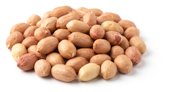
Cashew nut · Kajusoaked in warm water for 30 minutes
50 g
nut/seed
11
4.5 g3 chillies
vegetable
14
149 g150 ml
liquid

Method

  1. Soak 50 g cashew in warm water for 30 minutes, then drain.
  2. Heat 40.5 g vegetable oil in a frying pan over medium heat. Add 200 g onion, thinly sliced, and fry for 18–20 minutes until golden brown. Drain on paper towels and cool.
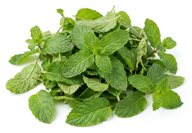
  3. Put the cooled onion, drained cashew, 6 g green bird’s eye chilli, 20 g coriander leaf, 60 g mint leaf and 149 g water in a food processor. Blend to a smooth, fine paste. Set aside.
  4. Heat 27 g vegetable oil in a large saucepan over medium heat. Add the whole spices for the oil and let them sizzle for a few seconds.
  5. Add the garlic for frying and 10 g fresh ginger root, finely chopped. Fry for 1 minute.
  6. Add 700 g skinless bone-in chicken, jointed, and the ground coriander for the chicken. Stir.
  7. Add the herb paste and fry for 5–7 minutes, stirring well.
  8. Add 0.3 g granulated sugar and 348 g water. Season with salt to taste.
  9. Cover and simmer over low heat for 25 minutes, stirring halfway through.
  10. Stir in 49.7 g double cream and the garam masala to finish. Stir well.

Don't have something?

Vegetable oil
  • Peanut oil

    Use 1:1 by weight. Handles high-heat frying identically and introduces a very subtle, pleasant nuttiness.

  • Ghee

    Use 1:1 by weight. Yields a much richer, authentic aroma and a glossy, heavier mouthfeel.

  • Mustard oil

    Use 1:1 by weight. Heat until smoking, then cool slightly before cooking to temper its intensely pungent, sharp mustard kick.

Green cardamom pod
  • Green cardamom seed

    Use 35 to 40% of the total pod weight; lightly bruise the seeds before frying in oil to release their essential oils.

  • Ground green cardamom

    Use 20 to 25% of the pod weight (about 1 generous pinch per pod); stir in toward the end of cooking so the delicate floral notes do not dissipate.

  • White cardamom pod

    Use 1:1 by pod count or weight; crack gently before using, though it is slightly less intensely floral.

Cassia bark
  • Ceylon cinnamon

    True cinnamon: thinner, papery quills, milder and sweeter. Use about 1.5 times the weight, and taste.

  • Ground cinnamon (cassia)

    Use about a third of the weight (0.5 g ground for a 2.5 cm piece), stirred in with the ground spices rather than fried whole, since the powder burns quickly.

  • Cassia buds

    Use 60-70% of the weight; stronger and more peppery, so taste before adding more.

Garlic clove
  • Garlic paste

    Use the same weight; about 1 clove weighs 3 g, so 3 g paste per clove.

  • Crushed garlic

    Use the same weight; crush just before adding so the flavour stays fresh.

  • Garlic powder

    Use one-third of the weight, about 1 g powder for 3 g fresh clove; add a little water if the recipe needs moisture.

Fresh ginger
  • Ginger paste

    Use equal weight. Sauté in hot fat until the raw allium smell disappears; slightly wetter, but provides identical warmth and pungency.

  • Ground ginger

    Use 20% to 25% of the weight (1 g for every 4 to 5 g fresh). Stir into the gravy; adds peppery heat and warmth, though it misses the crisp, zesty kick of raw root.

Bone-in skinless chicken
Ground coriander
  • Coriander seeds

    Dry-roast lightly in a pan and grind to a fine powder; use equal weight (1:1). Offers a noticeably fresher, brighter citrus note.

  • Ground cumin

    Use 50% to 75% of the weight. Lacks the floral, citrusy profile of coriander and turns the gravy heavier, earthier, and darker.

  • Garam masala

    Use 50% of the weight and stir in near the end of cooking. Adds warmth and depth since it contains ground coriander, but introduces stronger spices like clove and cinnamon.

Granulated sugar
  • Jaggery

    Use equal weight; grate or shave finely so it dissolves rapidly, giving a warm, caramel-like sweetness and slightly darker sauce.

Water
  • Stock

    Use the same weight in savoury dishes; it adds body, so adjust salt.

  • Milk

    Use the same weight only in doughs or creamy dishes; it makes the result richer.

  • Coconut water

    Use the same weight in curries or rice; it adds sweetness and a faint coconut taste.

Double cream
  • Heavy cream

    Use the same weight; whips and cooks almost identically.

  • Single cream

    Use the same weight in cooking, but it will not whip; reduce other liquid slightly.

  • Clotted cream

    Use 80% of the weight; richer and thicker, good for serving but not for whipping.

Garam masala
  • Ground cumin

    Use 50% of the weight mixed with equal parts ground coriander and a pinch of ground cinnamon, ground cloves, and ground green cardamom. Sprinkle near the end for a warming finish.

  • Lentil stew spice mix

    Use 75% of the weight. Simmer briefly in the gravy; imparts roasted warmth and complexity, though it adds a slight tang and earthy lentil undertone.

Onion
  • Shallot

    Use equal weight, finely sliced. Shallots soften and brown faster, giving a slightly sweeter and more delicate base to curries.

  • Cabbage

    Use 80% of the weight, finely shredded and browned slowly with a pinch of asafoetida. Replicates the bulk and natural sweetness in gravies without allium.


Cashew nut
  • Almond

    Use 100% of the weight. Soak in boiling water and slip off skins before frying or grinding; gives a lighter, slightly less sweet richness to curries.

  • Poppy seed

    Use 60% of the weight for gravies. Soak in warm water and grind into a fine paste to thicken royal kormas without adding heavy oiliness.

  • Shelled peanut

    Use 100% of the weight. Roast, skin, and grind; creates a thicker, earthier texture typical of Maharashtrian and western Indian curries.

Green bird's eye chilli
  • Bird's eye green chilli

    Use the same weight; heat and flavour are very close.

  • Green chilli

    Use 1.5 to 2 times the weight; deseed for less heat. Larger chillies are more watery.

  • Fresh green chilli

    Use 1.5 to 2 times the weight; chop finely and adjust heat by tasting.

Coriander leaf
  • Coriander

    Use equal weight finely chopped; this is the exact same fresh herb.

  • Mint

    Use half the weight finely chopped; provides vibrant green freshness, though the flavour profile becomes noticeably cooler and sharper.

Mint leaf
  • Mint leaves

    Use the same weight; identical herb, just the plural listing.

  • Dried mint

    Use 25% of the fresh weight, about 1 g dried for 4 g fresh; crush between fingers. Flavour is stronger and slightly hay-like.

  • Coriander leaf

    Use the same weight; it gives a fresh green note but not true mint flavour.

Similar dishes

Punjabi Handi Murgh
Chicken Curry with Cardamom, Ginger, Fried Onions and Garam Masala
Punjabi Handi Murgh tastes like a thick onion-rich gravy with warm cardamom and garam masala and a fresh ginger-coriander hit, while this dish tastes more herby from mint and coriander and creamier, with milder green-chilli heat.
  • Same: Punjabi Handi Murgh shares bone-in chicken, onion, garlic, ginger, green bird’s eye chilli, ground coriander, garam masala and cardamom with this dish.
  • Different: Punjabi Handi Murgh uses ghee instead of vegetable oil and adds tomato, turmeric and Kashmiri chilli powder, while this dish uses a fried onion, cashew, coriander and mint paste finished with cream and has no tomato or turmeric.
Lucknowi Badami Murgh
Creamy Chicken Curry with Ground Almonds, Yoghurt, Cardamom and Fenugreek
Lucknowi Badami Murgh tastes creamy and mildly spiced from almonds, yoghurt, cardamom, cinnamon and fenugreek, with lemon sourness, while this dish tastes herby and aromatic with green-chilli heat and cream.
  • Same: Lucknowi Badami Murgh shares skinless bone-in chicken, onion, garlic, ginger, vegetable oil, ground coriander, green cardamom, cinnamon and salt with this dish.
  • Different: Lucknowi Badami Murgh uses ground almonds, Greek yoghurt, turmeric, Kashmiri chilli powder, fenugreek leaves and lemon, while this dish uses cashew, mint, green bird’s eye chilli, cream and garam masala.
Kolkata Doi Murgi
Creamy Chicken Curry with Cardamom, Black Pepper, Yoghurt and Mustard Oil
Kolkata Doi Murgi tastes creamy and tangy from yoghurt with mustard oil and black pepper warmth, while this dish tastes herby and green from mint and coriander with cream and mild fresh green chilli heat.
  • Same: Kolkata Doi Murgi shares chicken, onion, garlic, ginger, cardamom, cinnamon, garam masala, coriander leaf, water, salt and oil with this dish.
  • Different: Kolkata Doi Murgi uses a yoghurt base with turmeric, Kashmiri chilli powder, dried Kashmiri chillies, mustard oil, bay leaf and black pepper, while this dish uses a fried onion, cashew, coriander and mint paste with fresh green bird’s eye chilli, double cream and sugar.
Kerala Chicken Perattu
Spicy Chicken Masala with Fried Onions, Garlic, Fennel Seeds and Chilli
Kerala Chicken Perattu tastes spicy, tangy and savoury with a fairly dry texture, while this dish tastes herby and aromatic with mild green-chilli heat and creaminess.
  • Same: Kerala Chicken Perattu shares chicken, onion, garlic, ground coriander, salt and vegetable oil with this dish.
  • Different: It uses coconut oil, curry leaves, fennel seed, Kashmiri chilli powder and white wine vinegar with boneless thigh and a stir-fried dry method, while this dish uses a coriander-mint-cashew paste, green chillies, cardamom, cinnamon, cream and bone-in chicken in a simmered curry.