Indian cooking
Indian cooking / Dishes / Kolkata Doi Murgi
Kolkata Doi Murgi (Creamy Chicken Curry with Cardamom, Black Pepper, Yoghurt and Mustard Oil)

Kolkata Doi Murgi

Creamy Chicken Curry with Cardamom, Black Pepper, Yoghurt and Mustard Oil
Non-vegetarianOrigin East

A creamy Bengali chicken curry built on a yoghurt base, with whole-spice aroma and a warm finish of black pepper and garam masala. The gravy is rich but balanced, with mustard oil and cardamom in the background.

Yoghurt spices

6 gStirred into the yoghurt at the start
01
3 g1 teaspoon
spice
Stir into the yoghurt until evenly mixed.

Whole spices for the oil

8 gAdded to the hot oil before the onions
Keep whole; add them to the hot oil together.

Finishing spices

1.9 gStirred in near the end with the coriander
01
0.6 g¼ teaspoon
spice
02
1.3 g½ teaspoon
spice blend
Stir together; add at the end of cooking.

Everything else

01
60 g4 tablespoons
dairy
02
40 g3 tablespoons
oil/fat
03
Onion · Pyazfinely chopped
150 g
vegetable
04
Garlic · Lehsuncrushed to a paste
12 g4 cloves
aromatic
05
Fresh ginger · Adrakground to a paste
20 g5 cm
aromatic
06
Chicken · Murghskinless, bone-in, such as thighs and drumsticks
650 g
poultry
07
298 g300 ml
liquid
08
2 g2 tablespoons
herb
09
to taste
salt

Method

  1. In a bowl, stir 60 g thick yoghurt with 3 g ground turmeric and 2.6 g kashmiri chilli powder until even; leave aside.
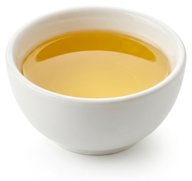
  2. Warm 40.5 g mustard oil or vegetable oil in a large saucepan over medium heat.
  3. Add the whole spices for the oil — 0.4 g dried bay leaf, 0.7 g green cardamom pod, 4.5 g dried kashmiri chilli and 1.3 g cinnamon stick — and let them splutter.
  4. Add 150 g onion, finely chopped, and cook for 8 minutes, until softened and starting to colour.
  5. Stir in 12 g garlic, crushed to a paste, and 20 g fresh ginger root, ground to a paste, and fry for 1 minute.
  6. Take the pan off the heat; stir in the yoghurt spices slowly, a little at a time.
  7. Return the pan to medium heat and cook for 1 minute.
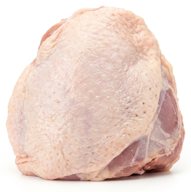
  8. Add 650 g chicken, skinless and bone-in, and fry for 5 minutes, turning to seal the pieces.
  9. Add salt to taste, pour in 298 g water, cover and simmer over low heat for 20 minutes, stirring once halfway.
  10. Once the chicken is cooked, stir in the finishing spices — 0.6 g black pepper and 1.3 g garam masala — with 2 g coriander leaf, chopped.
  11. Simmer uncovered for 7 minutes, until the gravy thickens.

Don't have something?

Hung yoghurt
  • Hung natural yoghurt

    Use the same weight. The names are used interchangeably; check seasoning.

  • Greek yoghurt

    Use the same weight. It is thick enough for marinades and raitas, with a slightly sharper taste.

  • Full-fat natural yoghurt

    Use about 175% of the weight and strain through muslin for 3–4 hours to get the same thick weight.

Ground turmeric
  • Ground ginger

    Use 50% of the weight. Mimics turmeric's warm, earthy, rhizome background, but provides none of the golden-yellow colour.

  • Saffron

    Steep a tiny pinch (0.1 g per 2 g turmeric) in 2 tbsp warm water; use to match the rich golden hue. Contributes an aristocratic, honeyed floral flavour rather than earthy bitterness.

Kashmiri chilli powder
  • Dried kashmiri chilli

    Grind deseeded dried pods to an equal weight of powder; gives identical vivid red colour and gentle warmth.

  • Red chilli powder

    Use 25% of the weight mixed with sweet paprika for colour; straight red chilli powder is substantially hotter and will make the dish fiery.

  • Chilli powder

    Use one-third of the weight; the sauce will be less intensely red and notably sharper in heat.

Mustard oil or vegetable oil
  • Groundnut oil

    Use the same weight; neutral and good for Indian cooking, but you lose mustard pungency.

  • Sunflower oil

    Use the same weight; neutral, so add a little mustard powder or mustard seeds if you want some bite.

  • Vegetable or corn oil

    Use the same weight; neutral and reliable, but no mustard flavour.

Bay leaf
  • Cinnamon stick

    Use a 2 cm piece (about 1 g) for every 1 to 2 bay leaves. Fry in whole-spice temperings; provides the cassia-like warmth typical of Indian tejpatta.

  • Ground cinnamon (cassia)

    Use 0.5 g per leaf. Stir into the sauce during simmering; gives the same warm woodiness but darkens the colour slightly.

Green cardamom pod
  • Green cardamom seed

    Use 35 to 40% of the total pod weight; lightly bruise the seeds before frying in oil to release their essential oils.

  • Ground green cardamom

    Use 20 to 25% of the pod weight (about 1 generous pinch per pod); stir in toward the end of cooking so the delicate floral notes do not dissipate.

  • White cardamom pod

    Use 1:1 by pod count or weight; crack gently before using, though it is slightly less intensely floral.

Dried kashmiri chilli
  • Kashmiri chilli powder

    Use 1 g powder for every 1.5 g whole dried chilli; whisk with a spoonful of warm water and stir into the masala to provide identical ruby colour and mild heat.

  • Dried red chilli

    Use 35% to 40% of the weight; discard seeds before tearing into oil to temper. Delivers a much fiercer heat, with significantly less red colouring.

Cassia bark
  • Ceylon cinnamon

    True cinnamon: thinner, papery quills, milder and sweeter. Use about 1.5 times the weight, and taste.

  • Ground cinnamon (cassia)

    Use about a third of the weight (0.5 g ground for a 2.5 cm piece), stirred in with the ground spices rather than fried whole, since the powder burns quickly.

  • Cassia buds

    Use 60-70% of the weight; stronger and more peppery, so taste before adding more.

Onion
  • Shallot

    Use equal weight, finely sliced. Shallots soften and brown faster, giving a slightly sweeter and more delicate base to curries.

  • Cabbage

    Use 80% of the weight, finely shredded and browned slowly with a pinch of asafoetida. Replicates the bulk and natural sweetness in gravies without allium.

Garlic
  • Garlic paste

    Use equal weight. Fry gently in oil or ghee with the ginger; incorporates smoothly into curries without visible minced bits.

  • Garlic powder

    Use 15% to 20% of the weight (about 1 g for every 5 to 6 g fresh cloves). Whisk into sauces; gives a savoury, toasted garlic flavour without raw pungency.

  • Shallot

    Use 1.5 times the weight, very finely minced. Sauté until golden; provides savoury allium sweetness, though it lacks garlic's pungent sulphur bite.

Fresh ginger
  • Ginger paste

    Use equal weight. Sauté in hot fat until the raw allium smell disappears; slightly wetter, but provides identical warmth and pungency.

  • Ground ginger

    Use 20% to 25% of the weight (1 g for every 4 to 5 g fresh). Stir into the gravy; adds peppery heat and warmth, though it misses the crisp, zesty kick of raw root.

Chicken
  • Turkey thigh

    Use 100% of the weight, cut into equivalent bone-in or boneless pieces. Simmer for an extra 5 to 10 minutes; flavour and texture are very similar.

  • Lamb

    Use 100% of the weight. Cut into bite-sized pieces and extend simmering time by 35 to 50 minutes, adding extra liquid to allow the meat to tenderise.

Water
  • Stock

    Use the same weight in savoury dishes; it adds body, so adjust salt.

  • Milk

    Use the same weight only in doughs or creamy dishes; it makes the result richer.

  • Coconut water

    Use the same weight in curries or rice; it adds sweetness and a faint coconut taste.

Black pepper
  • Black peppercorn

    Use the same weight and crush or grind as the recipe needs; whole peppercorn is the same spice.

  • Ground black pepper

    Use the same weight; add nearer the end if the recipe calls for whole pepper, as ground loses aroma faster.

  • Ground white pepper

    Use about 75–80% of the weight; it is milder and earthier, with less bite.

Garam masala
  • Ground cumin

    Use 50% of the weight mixed with equal parts ground coriander and a pinch of ground cinnamon, ground cloves, and ground green cardamom. Sprinkle near the end for a warming finish.

  • Lentil stew spice mix

    Use 75% of the weight. Simmer briefly in the gravy; imparts roasted warmth and complexity, though it adds a slight tang and earthy lentil undertone.

Coriander leaf
  • Coriander

    Use equal weight finely chopped; this is the exact same fresh herb.

  • Mint

    Use half the weight finely chopped; provides vibrant green freshness, though the flavour profile becomes noticeably cooler and sharper.

Similar dishes

Chettinad Chicken
Spiced Boneless Chicken with Black Pepper, Ginger and Curry Leaves
It tastes peppery and fennel-scented with a lime finish, while this dish is creamy and yoghurt-based with cardamom and mustard oil.
  • Same: Chettinad Chicken shares chicken, turmeric, Kashmiri chilli powder, cinnamon, dried Kashmiri chilli, onion and coriander leaf with this dish.
  • Different: It uses vegetable oil, tomato, lime, curry leaves, black mustard seed, urad dal and fennel seed, and lacks yoghurt, garlic, green cardamom, bay leaf and garam masala compared with this dish.
Punjabi Handi Murgh
Chicken Curry with Cardamom, Ginger, Fried Onions and Garam Masala
Punjabi Handi Murgh tastes like a thick, ghee-rich onion-tomato gravy with green chilli heat and strong cardamom, whereas this dish is yoghurt-based, mustard-oil-backed and more tangy-creamy with black pepper and garam masala warmth.
  • Same: Punjabi Handi Murgh shares with this dish chicken, onion, garlic, ginger, turmeric, Kashmiri chilli powder, green cardamom, garam masala, coriander leaf and salt.
  • Different: Punjabi Handi Murgh uses ghee, tomato, fried onion, black cardamom, ground coriander and green bird’s eye chilli with bone-in chicken and much less water, while this dish uses thick yoghurt, mustard oil, bay leaf, cinnamon stick, dried Kashmiri chilli and black pepper.
Mangalorean Chicken Curry
Chicken Curry from Mangalore
Mangalorean Chicken Curry tastes more coconut-rich and nutty, with fenugreek aroma, while this dish tastes more tangy from yoghurt with mustard oil and whole-spice warmth.
  • Same: Mangalorean Chicken Curry shares chicken, onion, garlic, Kashmiri chilli, turmeric, salt and oil with this dish.
  • Different: Mangalorean Chicken Curry uses roasted fresh coconut and coconut milk, plus coriander seeds and fenugreek, while this dish uses yoghurt, mustard oil, cardamom, cinnamon, bay leaf, black pepper and garam masala.
Kozhi Appakari
Ginger Chicken with Mustard
Kozhi Appakari tastes more ginger-forward and tangy from tomato, with mustard-seed and lentil tempering and fresh chilli heat, while this dish tastes creamy and yoghurt-based with cardamom and a black-pepper-garam masala finish.
  • Same: Kozhi Appakari and this dish both use chicken, onion, garlic, ginger, turmeric, cinnamon, black pepper and salt in a curry.
  • Different: Kozhi Appakari has tomato, brown mustard seeds, urad dal, fennel seed and fresh red chilli and uses vegetable oil; this dish has yoghurt, mustard oil, cardamom, bay leaf, garam masala and coriander instead.