
Parsi Salli Boti
A Parsi-style lamb curry with a rich, sweet-sour gravy from apricots, jaggery and vinegar, warm spices, and a topping of crisp potato straws.
Whole spices for the oil
1.3 gAdded to the hot oil at the start (step 3)Ground spices for the sauce
8 gStirred in after the ginger-garlic paste (step 6)Finishing spices
2.4 gStirred in after the heat is turned off (step 12)Everything else
Method
- Blend 10 g ginger, 18 g garlic and a splash of the 298 g water to a smooth paste. Scrape out and set aside.
- Blend 100 g tomato and 15.6 g tomato purée to a fine paste. Set aside.
- Heat 54 g vegetable oil in a large heavy saucepan over medium heat. Add the whole spices for the oil and let them sizzle for a few seconds.
- Add 260 g onion and fry for 15–17 minutes, stirring, until softened and browned.
- Add the ginger-garlic paste and fry for 1 minute, stirring. Add a splash of water and scrape the pan bottom.
- Add the ground spices for the sauce and fry for a few seconds.
- Add the tomato mixture, stir well and fry for 2–3 minutes.
- Add 850 g lamb, cut into 3 cm pieces, and cook for 5 minutes, turning to coat with the masala and seal all over.
- Add 2 g green chilli and 150 g of the 298 g water. Bring to the boil, cover and simmer over low heat for 40 minutes, stirring a few times.
- Add the remaining water, cover and simmer over low heat for a further 40 minutes, stirring a few times, until darker and richer.
- Add 25.2 g jaggery or caster sugar, 16 g dried apricot and 15 g malt vinegar. Cook for 1 minute.
- Turn off the heat and stir in the finishing spices.
- Top with potato straws to taste.
Don't have something?


 Ginger paste
Use equal weight. Sauté in hot fat until the raw allium smell disappears; slightly wetter, but provides identical warmth and pungency.
 Ground ginger
Use 20% to 25% of the weight (1 g for every 4 to 5 g fresh). Stir into the gravy; adds peppery heat and warmth, though it misses the crisp, zesty kick of raw root.



 Garlic paste
Use equal weight. Fry gently in oil or ghee with the ginger; incorporates smoothly into curries without visible minced bits.
 Garlic powder
Use 15% to 20% of the weight (about 1 g for every 5 to 6 g fresh cloves). Whisk into sauces; gives a savoury, toasted garlic flavour without raw pungency.
 Shallot
Use 1.5 times the weight, very finely minced. Sauté until golden; provides savoury allium sweetness, though it lacks garlic's pungent sulphur bite.


 Tomato purée
Use 40% to 50% of the fresh tomato weight mixed with a splash of water. Imparts a deeper red colour, thicker sauce, and slightly sweeter cooked flavour.
 Plain yogurt
Use 60% of the weight, whisked smooth and added on low heat. Provides rich body and sourness, though the gravy becomes paler and creamier.

- Tomato
Use 200% to 250% of the weight. Finely grate or blend fresh tomatoes, then cook them down until the moisture evaporates and the oil separates.


 Peanut oil
Use 1:1 by weight. Handles high-heat frying identically and introduces a very subtle, pleasant nuttiness.
 Ghee
Use 1:1 by weight. Yields a much richer, authentic aroma and a glossy, heavier mouthfeel.
 Mustard oil
Use 1:1 by weight. Heat until smoking, then cool slightly before cooking to temper its intensely pungent, sharp mustard kick.


 Green cardamom seed
Use 35 to 40% of the total pod weight; lightly bruise the seeds before frying in oil to release their essential oils.
 Ground green cardamom
Use 20 to 25% of the pod weight (about 1 generous pinch per pod); stir in toward the end of cooking so the delicate floral notes do not dissipate.
 White cardamom pod
Use 1:1 by pod count or weight; crack gently before using, though it is slightly less intensely floral.


 Ground cloves
Use 1 g ground for 4 g whole (or 1 small pinch per 2 to 3 whole cloves). Add with spice powders; disperses intense warmth quickly, so use with restraint.
 Allspice berries
Use 100% of the weight whole in tempering. Imparts a warm, clove-like aromatic profile combined with hints of nutmeg and cinnamon.
 Black cardamom pod
Use 1 pod for 3 to 4 cloves in whole tempering. Shares a camphor-like warmth and medicinal depth, though it introduces a distinct smoky undertone.


 Brown onion
Use the same weight; it is the closest everyday match, with a slightly deeper sweetness when fried.
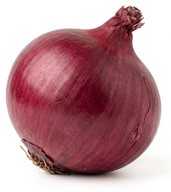 Red onion
Use the same weight; it is sharper and will tint the dish pink, so cook a little longer for sweetness.
- Shallot
Use the same weight; it is milder and sweeter, so reduce frying time slightly to avoid burning.


 Kashmiri chilli powder
Use the same weight; this is the first half of the book's option and gives the best red colour with mild heat.
 Mild paprika
Use the same weight; add a pinch of cayenne pepper for warmth. Slightly less colour.
- Paprika
Use the same weight and add cayenne pepper to taste; works but is less aromatic.


- Ground ginger
Use 50% of the weight. Mimics turmeric's warm, earthy, rhizome background, but provides none of the golden-yellow colour.
 Saffron
Steep a tiny pinch (0.1 g per 2 g turmeric) in 2 tbsp warm water; use to match the rich golden hue. Contributes an aristocratic, honeyed floral flavour rather than earthy bitterness.


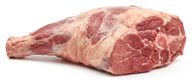 Leg of lamb
Use the same weight; cook as directed, allowing extra time if bone-in.
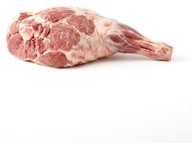 Lamb hind leg
Use the same weight; practically the same cut, so follow the recipe timings.
 Lamb shoulder
Use the same weight; fattier and softer, so skim fat and cook 10–15 minutes longer.


- Bird's eye green chilli
Use the same weight; heat and flavour are very close.
 Green chilli
Use 1.5 to 2 times the weight; deseed for less heat. Larger chillies are more watery.
 Fresh green chilli
Use 1.5 to 2 times the weight; chop finely and adjust heat by tasting.


 Stock
Use the same weight in savoury dishes; it adds body, so adjust salt.
 Milk
Use the same weight only in doughs or creamy dishes; it makes the result richer.
 Coconut water
Use the same weight in curries or rice; it adds sweetness and a faint coconut taste.


 Light brown soft sugar
Use the same weight. It has mild molasses and is close to caster sugar with a little colour; taste and adjust.
- Dark brown sugar
Use 90% of the weight. It has stronger molasses, which suits dishes where jaggery was intended; dissolve fully.
 Honey
Use 75% of the weight. Reduce other liquid by about 20% and add off the heat; it brings its own floral flavour.


 Dried fig
Use the same weight, chopped. Slightly less tart and more seedy; add a little lemon juice if the dish needs tang.
 Date
Use 80% of the weight, chopped. Much sweeter and softer, so reduce any added sugar.
 Raisin or sultana
Use the same weight. Sweeter and smaller; reduce sugar and expect less tartness.


 White malt vinegar
Use the same weight; sharper and clearer; reduce salt slightly.
 White vinegar
Use 90% of the weight, diluted with 10% water; harsher, so taste.
 Lime juice
Use the same weight; fresher sourness but no malt flavour; reduce salt.


 Ground cumin
Use 70% of the weight; add with ground spices or sauce bases rather than hot oil tempering, where it scorches quickly and turns bitter.
 Black cumin seeds
Use equal weight for oil tempering. Delivers an earthy profile with an additional musky, smoky, and slightly bitter edge.
 Fennel seed
Use 60% of the weight for tempering; offers comparable warm aroma, but leans sweet and liquorice-like rather than savoury and earthy.


- Ground cumin
Use 50% of the weight mixed with equal parts ground coriander and a pinch of ground cinnamon, ground cloves, and ground green cardamom. Sprinkle near the end for a warming finish.
 Lentil stew spice mix
Use 75% of the weight. Simmer briefly in the gravy; imparts roasted warmth and complexity, though it adds a slight tang and earthy lentil undertone.


 Potato salli
Use the same weight; it is effectively the same fried potato garnish. Add at the end so it stays crisp.
 Potato
Use the same weight of raw potato, cut into very thin matchsticks, soak, dry and deep-fry. It takes 10–15 minutes longer but gives the same fresh potato crunch.
 Crisp chickpea-flour noodles
Use the same weight; it is crisper and nuttier, not potato-flavoured. Add just before serving.


Similar dishes

- Same: Attirachi Perelan shares lamb leg on the bone, onion, tomato, ginger, garlic, green chilli, Kashmiri chilli powder, vegetable oil and green cardamom with this dish.
- Different: Attirachi Perelan marinates the lamb in turmeric and adds fennel, black pepper, coriander, curry leaf, potato chunks and coconut milk, while this dish uses dried apricot, jaggery, malt vinegar and crispy potato straws and has no coconut milk or curry leaf.

- Same: Bengali Kosha Mangsho shares bone-in lamb, onion, tomato purée, ginger, garlic, cardamom, clove, turmeric and Kashmiri chilli with this dish.
- Different: Bengali Kosha Mangsho uses yoghurt, mustard oil, cassia bark, ground coriander, ground cumin, potato chunks and lemon juice, while it lacks this dish’s dried apricots, jaggery, malt vinegar and crispy potato straw topping.

- Same: Jardalu Boti shares lamb, onion, ginger, garlic, tomato, vegetable oil, green cardamom, garam masala, dried apricots, vinegar and sugar with this dish, and both build an onion-tomato curry with apricot sweetness and vinegar tang.
- Different: Jardalu Boti uses 250 g dried apricots versus 16 g here, far more oil and tomato, cinnamon stick and ground black pepper, granulated sugar instead of jaggery, less vinegar, and no potato straws, turmeric, clove, tomato purée or green chilli, and it is slow-cooked without a crisp topping.

- Same: Aloo Gosht shares with this dish a lamb curry base of onion, tomato, ginger, garlic, vegetable oil, garam masala, cumin, cardamom and clove.
- Different: Aloo Gosht uses 1500 g potato and spices such as bay leaf, cinnamon, black cardamom and mace, but it lacks this dish's dried apricots, jaggery, malt vinegar and crispy potato straw topping.