
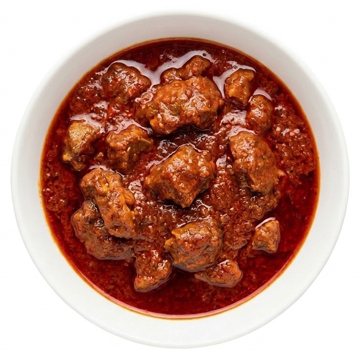
Jardalu Boti
A fragrant, slow-cooked lamb curry enriched with whole aromatics and softened dried apricots, balancing savoury depth with subtle sweetness and tang.
chilli and cumin mix
12 gStirred into the fried aromatics (step 3)whole spices
9 gSizzled in the hot oil (step 2)meat spices
4.7 gAdded alongside the lamb (step 4)Everything else

Method
- Submerge 250 g dried apricots in a bowl of cold water and leave to steep overnight. The next day, drain thoroughly and set aside.
- Warm 228 g vegetable oil in a wide, heavy saucepan over low heat. Add 150 g finely chopped onion and fry gently for 8–10 minutes until pale golden. Tip in 12 g peeled and chopped ginger along with 1.5 g finely chopped garlic, cooking for 3–4 minutes, then drop in the whole spices and fry for 1 minute until fragrant.
- Pour in the chilli and cumin mix, stirring well into the oil. Add 480 g chopped tomato and simmer for roughly 5 minutes.
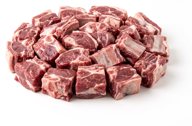
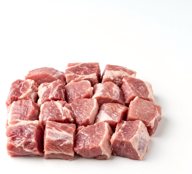
- Add 1000 g lamb chunks, the meat spices, and salt to taste. Stir-fry over medium heat for about 5 minutes so the meat is evenly coated.
- Drop the heat to its lowest setting, cover, and cook gently for 1–1½ hours until the lamb is completely tender. If the gravy becomes too dry, pour in about 125 ml hot water and bubble for 1 minute.
- Drizzle in 5 g white malt vinegar, then stir in 8.4 g granulated sugar and the drained apricots. Simmer for 2 minutes longer, mixing thoroughly to blend everything evenly before serving.
Don't have something?


 Dried fig
Use the same weight, chopped. Slightly less tart and more seedy; add a little lemon juice if the dish needs tang.
 Date
Use 80% of the weight, chopped. Much sweeter and softer, so reduce any added sugar.
 Raisin or sultana
Use the same weight. Sweeter and smaller; reduce sugar and expect less tartness.


 Red chilli powder
Use 100% of the weight. Provides direct, sharp heat and red colour in equal measure.
 Kashmiri chilli powder
Use 150% to 200% of the weight if matching colour, but add a pinch of black pepper or hot chilli if you need equivalent fiery heat.
 Cayenne pepper
Use 75% to 100% of the weight. Offers a sharp, clean heat with slightly less earthy depth and less crimson colour.


 Cumin seed
Dry-roast briefly and grind finely; use equal weight (1:1). Imparts an even punchier, nuttier, toasty aroma than pre-ground cumin.
 Ground coriander
Use equal weight (1:1). Adds mild, lemony sweetness rather than cumin's smoky, earthy bite; curries will taste lighter and less savoury.
 Black cumin seeds
Grind finely; use 60% to 75% of the weight. Produces a darker, more complex, smoky-herbal flavour suited to rich gravies.


 Peanut oil
Use 1:1 by weight. Handles high-heat frying identically and introduces a very subtle, pleasant nuttiness.
 Ghee
Use 1:1 by weight. Yields a much richer, authentic aroma and a glossy, heavier mouthfeel.
 Mustard oil
Use 1:1 by weight. Heat until smoking, then cool slightly before cooking to temper its intensely pungent, sharp mustard kick.






 Fresh ginger
Use equal weight; scrape off the skin and grate or finely julienne according to the recipe.
 Ginger paste
Use equal weight; stir straight into the sizzling aromatics, taking care as the extra moisture may spit.
 Ground ginger
Use 15 to 20% of the weight; add alongside ground spices, noting it imparts warm, dry heat rather than zesty freshness.



 Garlic paste
Use equal weight. Fry gently in oil or ghee with the ginger; incorporates smoothly into curries without visible minced bits.
 Garlic powder
Use 15% to 20% of the weight (about 1 g for every 5 to 6 g fresh cloves). Whisk into sauces; gives a savoury, toasted garlic flavour without raw pungency.
 Shallot
Use 1.5 times the weight, very finely minced. Sauté until golden; provides savoury allium sweetness, though it lacks garlic's pungent sulphur bite.


 Ceylon cinnamon
True cinnamon: thinner, papery quills, milder and sweeter. Use about 1.5 times the weight, and taste.
 Ground cinnamon (cassia)
Use about a third of the weight (0.5 g ground for a 2.5 cm piece), stirred in with the ground spices rather than fried whole, since the powder burns quickly.
 Cassia buds
Use 60-70% of the weight; stronger and more peppery, so taste before adding more.


 Green cardamom seed
Use 35 to 40% of the total pod weight; lightly bruise the seeds before frying in oil to release their essential oils.
 Ground green cardamom
Use 20 to 25% of the pod weight (about 1 generous pinch per pod); stir in toward the end of cooking so the delicate floral notes do not dissipate.
 White cardamom pod
Use 1:1 by pod count or weight; crack gently before using, though it is slightly less intensely floral.


 Tomato purée
Use 40% to 50% of the fresh tomato weight mixed with a splash of water. Imparts a deeper red colour, thicker sauce, and slightly sweeter cooked flavour.
 Plain yogurt
Use 60% of the weight, whisked smooth and added on low heat. Provides rich body and sourness, though the gravy becomes paler and creamier.



- Ground cumin
Use 50% of the weight mixed with equal parts ground coriander and a pinch of ground cinnamon, ground cloves, and ground green cardamom. Sprinkle near the end for a warming finish.
 Lentil stew spice mix
Use 75% of the weight. Simmer briefly in the gravy; imparts roasted warmth and complexity, though it adds a slight tang and earthy lentil undertone.


 Black peppercorn
Use 1:1 by weight; pulverise in a spice mill or mortar to a fine powder for immediate, punchy heat.
 Coarsely ground black pepper
Use equal weight; offers the same bite, though it gives a visibly speckled finish and firmer crunch.


 White vinegar
Use 90% of the weight. It is sharper and lacks the mild malty grain undertone, so temper with a tiny pinch of sugar if needed.
 Lemon juice
Use 100% of the weight. Best for marinades or quick chutneys; imparts fresh citrus flavour instead of fermented acidity.


 Jaggery
Use equal weight; grate or shave finely so it dissolves rapidly, giving a warm, caramel-like sweetness and slightly darker sauce.

Similar dishes
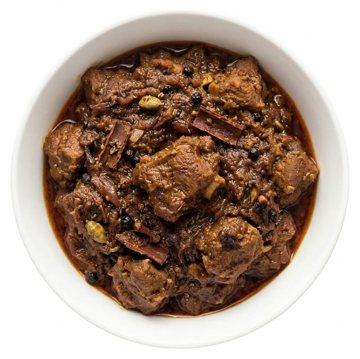
- Same: Attirachi Peralan also slow-cooks lamb with onions, ginger, garlic, vegetable oil, white malt vinegar, cinnamon, cardamom, and black pepper.
- Different: It is a dry-roasted curry cooked without tomatoes or sugar, using far less oil and adding mustard seeds, cloves, turmeric, and ground coriander.

- Same: Both are slow-cooked lamb curries with an onion, ginger, garlic, and tomato base spiced with chilli powder, cumin, cinnamon, green cardamom, and garam masala.
- Different: Aloo Gosht adds pan-fried potatoes instead of apricots, includes coriander, cumin seeds, bay leaf, cloves, mace, and black cardamom, and omits the sugar and malt vinegar.

- Same: Masaledar Mutton shares a slow-cooked lamb curry base with onion, tomato, cumin, chilli powder and garam masala.
- Different: Masaledar Mutton uses ghee plus vegetable oil, much more onion, garlic and ginger pastes, green chilli, turmeric, coriander and bay leaf, and it lacks this dish's dried apricots, cinnamon, cardamom, vinegar and sugar.
- Same: Roghanjosh and this dish are both slow-cooked lamb curries seasoned with cinnamon, chilli powder, garam masala, ginger, sugar and salt.
- Different: Roghanjosh braises lamb in yogurt with saffron, clove and asafoetida, while this dish uses tomatoes, dried apricots, vinegar, cumin, cardamom, black pepper, onion and garlic and has no yogurt.