
Parsi Prawns Patia
Spiced chopped prawns in a tangy tomato gravy, thickened with onion and a little jaggery. The flavour is savoury, gently sweet-sour and mildly spicy.
Marinade turmeric
0.8 gTossed with the prawns in step 1Garlic-vinegar paste spices
7 gGround with garlic and vinegar in step 2Tomato sauce ground spices
3 gStirred into the tomato in step 6Everything else

Method
- Put 800 g tiger prawn in a bowl. Add the marinade turmeric and a small pinch of salt; toss and leave while you make the paste.
- Grind the garlic-vinegar paste spices coarsely. Add 21 g garlic and 30 g malt vinegar; grind again to a thick paste, adding a little water only if needed.
- Heat 40.5 g vegetable oil in a saucepan over medium heat. Add 150 g onion and cook for 8–10 minutes, stirring, until softened.
- Add the garlic-vinegar paste and fry for 2 minutes, stirring so it does not stick.
- Add 120 g tomato and 15.6 g tomato purée. Cook for 5 minutes, stirring, until the tomato softens.
- Stir in the tomato sauce ground spices and cook for 1 minute. Add 2–2.5 g curry leaf and the prawns; fry for 2 minutes.
- Add 50 ml water, 8.4 g jaggery and salt to taste. Mix well, cover and simmer over low heat for 2 minutes, until the prawns are pink and cooked through.
- Take the pan off the heat. Scatter over 3 g coriander leaves and squeeze in 25 g lemon juice; stir once.
Don't have something?
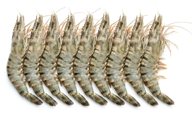
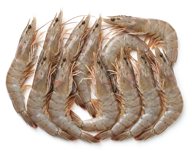 King prawn
Use the same weight; cook 2–3 minutes until just pink. Same sweetness and bite.
 Large prawn
Use the same weight; slightly less sweet, so cook 1 minute less.
 Small prawn
Use the same weight; they cook in 1–2 minutes, so add them later.


 Ground ginger
Use 50% of the weight. Mimics turmeric's warm, earthy, rhizome background, but provides none of the golden-yellow colour.
 Saffron
Steep a tiny pinch (0.1 g per 2 g turmeric) in 2 tbsp warm water; use to match the rich golden hue. Contributes an aristocratic, honeyed floral flavour rather than earthy bitterness.


 Ground cumin
Use 70% of the weight; add with ground spices or sauce bases rather than hot oil tempering, where it scorches quickly and turns bitter.
 Black cumin seeds
Use equal weight for oil tempering. Delivers an earthy profile with an additional musky, smoky, and slightly bitter edge.
 Fennel seed
Use 60% of the weight for tempering; offers comparable warm aroma, but leans sweet and liquorice-like rather than savoury and earthy.


 Mustard seeds
Use equal weight. Pop in hot fat until they crackle and turn greyish; yields an almost identical nutty, pungent finish.
 Yellow mustard seeds
Use equal weight. Fry over medium heat; delivers a milder, sweeter pop and turns bitter quickly if the oil is excessively hot.


 Coarsely ground black pepper
Use 75% of the weight. Add midway through simmering; spreads heat evenly through the dish instead of delivering isolated bursts.
 Ground black pepper
Use 50% of the weight. Stir in near the end of cooking; significantly darkens light gravies and provides an immediate, sharp bite.



 Garlic paste
Use equal weight. Fry gently in oil or ghee with the ginger; incorporates smoothly into curries without visible minced bits.
 Garlic powder
Use 15% to 20% of the weight (about 1 g for every 5 to 6 g fresh cloves). Whisk into sauces; gives a savoury, toasted garlic flavour without raw pungency.
 Shallot
Use 1.5 times the weight, very finely minced. Sauté until golden; provides savoury allium sweetness, though it lacks garlic's pungent sulphur bite.


 White malt vinegar
Use the same weight; sharper and clearer; reduce salt slightly.
 White vinegar
Use 90% of the weight, diluted with 10% water; harsher, so taste.
 Lime juice
Use the same weight; fresher sourness but no malt flavour; reduce salt.


 Peanut oil
Use 1:1 by weight. Handles high-heat frying identically and introduces a very subtle, pleasant nuttiness.
 Ghee
Use 1:1 by weight. Yields a much richer, authentic aroma and a glossy, heavier mouthfeel.
 Mustard oil
Use 1:1 by weight. Heat until smoking, then cool slightly before cooking to temper its intensely pungent, sharp mustard kick.





 Tomato purée
Use 40% to 50% of the fresh tomato weight mixed with a splash of water. Imparts a deeper red colour, thicker sauce, and slightly sweeter cooked flavour.
 Plain yogurt
Use 60% of the weight, whisked smooth and added on low heat. Provides rich body and sourness, though the gravy becomes paler and creamier.

- Tomato
Use 200% to 250% of the weight. Finely grate or blend fresh tomatoes, then cook them down until the moisture evaporates and the oil separates.


 Kashmiri chilli powder
Use the same weight; this is the first half of the book's option and gives the best red colour with mild heat.
 Mild paprika
Use the same weight; add a pinch of cayenne pepper for warmth. Slightly less colour.
- Paprika
Use the same weight and add cayenne pepper to taste; works but is less aromatic.



 Coriander seeds
Dry-roast lightly in a pan and grind to a fine powder; use equal weight (1:1). Offers a noticeably fresher, brighter citrus note.
- Ground cumin
Use 50% to 75% of the weight. Lacks the floral, citrusy profile of coriander and turns the gravy heavier, earthier, and darker.
 Garam masala
Use 50% of the weight and stir in near the end of cooking. Adds warmth and depth since it contains ground coriander, but introduces stronger spices like clove and cinnamon.


 Bay leaf
Fry 1 bay leaf for every 5 curry leaves in hot oil; imparts a warm, woodsy background note, but misses the citrus-sulphury punch entirely.
- Lime juice
Add a small squeeze (about 5 ml per sprig of curry leaves) right before serving; provides sharp citrus top notes without the toasty, herbal aroma.


 Jaggery
Use the same weight, grated or chopped. It gives a deeper, more mineral sweetness and darker colour.
 Caster sugar
Use the same weight. It gives a clean sweetness with no molasses; the dish will be lighter in colour.
 Light brown soft sugar
Use the same weight. It adds mild molasses and a little colour; dissolve fully.


 Coriander (cilantro) or basil
Use the same weight, choosing the coriander element if available. If only basil is available, expect a sweeter, more aniseed flavour.
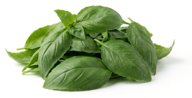 Basil leaves
Use the same weight. Basil is sweeter and more aromatic in a different way; add near the end so it keeps its perfume.
 Coriander paste
Use 1.5 times the weight and reduce other liquid slightly; it is less fresh and more concentrated, so taste before adding more.


 Lime
Use the same weight or juice amount; sharper, so taste before adding all the juice.
 Lemon juice
Use about 45–50 ml for 1 lemon; add off the heat to keep the freshness.
 Dried mango powder
Use 1 tsp for the juice of 1 lemon; add early. Sourness is flatter and less fresh.


Similar dishes

- Same: Goan Prawn Balchao shares prawns, onion, garlic, turmeric, cumin, black pepper, curry leaf, Kashmiri chilli, malt vinegar, jaggery and vegetable oil with this dish.
- Different: Goan Prawn Balchao has dried Kashmiri chilli, ginger, fish sauce and much more oil and vinegar, and it lacks this dish's tomato, tomato purée, lemon, fresh coriander and mustard seed, cooking as an oily pickle rather than a tomato gravy.

- Same: Prawns Rawa Fry shares tiger prawns, garlic, Kashmiri chilli powder or mild paprika, turmeric, salt and vegetable oil with this dish.
- Different: Prawns Rawa Fry adds fresh ginger, tamarind paste, coarse semolina and rice flour and is shallow-fried as a coated prawn, while this dish uses onion, tomato, tomato purée, cumin, mustard seed, black peppercorn, curry leaf, jaggery, malt vinegar and lemon to make a tomato gravy.

- Same: Spicy Goan Prawns with Garlic, Chilli & Tamarind shares tiger prawns, garlic, cumin seed, black peppercorn, Kashmiri chilli and malt vinegar with this dish.
- Different: Spicy Goan Prawns with Garlic, Chilli & Tamarind adds tamarind paste, dark brown sugar, dried Kashmiri chilli, cloves, cinnamon, ginger and fish sauce, and it is griddled in the shells rather than cooked as chopped prawns in a tomato-onion gravy with turmeric, mustard seed, curry leaf, jaggery and lemon.

- Same: Balchao shares prawns, onion, tomato, curry leaf, garlic, cumin, black peppercorn and malt vinegar with this dish.
- Different: Balchao uses groundnut oil, small prawns, dried red chilli, cinnamon, cardamom, clove and ginger, with far more malt vinegar and no turmeric, mustard seed, tomato purée, lemon or coriander leaves; it is a relish rather than a tomato gravy thickened with onion and jaggery.