
Prawns Rawa Fry
Prawns are coated in a tangy tamarind, ginger and chilli paste, then rolled in semolina and rice flour and shallow-fried until crisp. They come out crunchy outside with juicy, spicy-sour prawn meat.
Marinade spices
1.5 gStirred into the ginger-garlic-tamarind paste (step 3)Coating chilli
0.3 gMixed into the semolina and rice flour coating (step 5)Everything else

Method
- Slit 480–600 g raw shelled tiger prawns along the back, keeping the tails on, and open them flat. Set aside.
- Blend 6 g fresh ginger, 9 g garlic, 6 g tamarind paste and about 30 ml water to a smooth thick paste.
- Scrape the paste into a bowl, then stir in the marinade spices and salt to taste.
- Add the prawns and turn to coat; leave them in the paste while you make the coating.
- Mix 42 g coarse semolina, 19.8 g rice flour and the coating chilli in a shallow dish until evenly combined.
- Roll each prawn in the coating, pressing gently so it sticks in an even layer.
- Heat a shallow layer of vegetable oil in a frying pan over medium-high heat.
- Fry half the prawns, in batches if needed, for 1½ minutes on each side, until pink and cooked through.
- Fry the remaining prawns the same way.
- Drain on kitchen paper.
Don't have something?
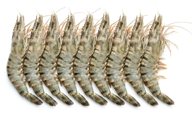
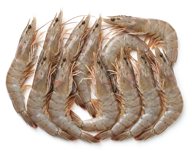 King prawn
Use the same weight; cook 2–3 minutes until just pink. Same sweetness and bite.
 Large prawn
Use the same weight; slightly less sweet, so cook 1 minute less.
 Small prawn
Use the same weight; they cook in 1–2 minutes, so add them later.


 Ginger paste
Use equal weight. Sauté in hot fat until the raw allium smell disappears; slightly wetter, but provides identical warmth and pungency.
 Ground ginger
Use 20% to 25% of the weight (1 g for every 4 to 5 g fresh). Stir into the gravy; adds peppery heat and warmth, though it misses the crisp, zesty kick of raw root.



 Garlic paste
Use equal weight. Fry gently in oil or ghee with the ginger; incorporates smoothly into curries without visible minced bits.
 Garlic powder
Use 15% to 20% of the weight (about 1 g for every 5 to 6 g fresh cloves). Whisk into sauces; gives a savoury, toasted garlic flavour without raw pungency.
 Shallot
Use 1.5 times the weight, very finely minced. Sauté until golden; provides savoury allium sweetness, though it lacks garlic's pungent sulphur bite.


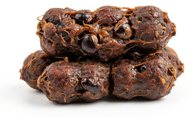 Tamarind pulp
Use 120–150% of the weight and strain; pulp is less concentrated, so simmer a little longer to thicken.
 Tamarind extract
Use 150–200% of the weight and reduce gently; extract is already diluted.
 Lime juice
Use 60–70% of the weight with a pinch of jaggery; sharper, so add near the end off the heat.


 Kashmiri chilli powder
Use the same weight; this is the first half of the book's option and gives the best red colour with mild heat.
 Mild paprika
Use the same weight; add a pinch of cayenne pepper for warmth. Slightly less colour.
- Paprika
Use the same weight and add cayenne pepper to taste; works but is less aromatic.


- Ground ginger
Use 50% of the weight. Mimics turmeric's warm, earthy, rhizome background, but provides none of the golden-yellow colour.
 Saffron
Steep a tiny pinch (0.1 g per 2 g turmeric) in 2 tbsp warm water; use to match the rich golden hue. Contributes an aristocratic, honeyed floral flavour rather than earthy bitterness.


 Peanut oil
Use 1:1 by weight. Handles high-heat frying identically and introduces a very subtle, pleasant nuttiness.
 Ghee
Use 1:1 by weight. Yields a much richer, authentic aroma and a glossy, heavier mouthfeel.
 Mustard oil
Use 1:1 by weight. Heat until smoking, then cool slightly before cooking to temper its intensely pungent, sharp mustard kick.


 Semolina
Use the same weight; it is finer, so add liquid gradually and soak for less time.
 Fine semolina
Use the same weight; it absorbs faster and gives a smoother, less grainy texture.
 Cream of wheat
Use the same weight; toast it first if the recipe calls for roasting, and watch the liquid.


 Cornflour
Use about 60–70% of the weight for thickening; for coatings use the same weight but the crust is denser.
 Plain flour
Use the same weight for coatings; contains gluten, browns faster and is less crisp.
- Fine semolina
Use the same weight for crisp coatings; coarser texture and needs a short rest.

Similar dishes

- Same: Parsi Prawns Patia shares tiger prawns, turmeric, Kashmiri chilli powder, garlic and vegetable oil with this dish.
- Different: Parsi Prawns Patia uses onion, tomato, malt vinegar, cumin, mustard seed, peppercorn, curry leaf, jaggery and lemon in a thickened gravy, and it lacks this dish's tamarind, ginger, semolina and rice-flour crumb coating and shallow-frying.

- Same: Grilled Langoustines with Pickled Turmeric & Lasooni Butter and this dish both use shellfish with turmeric, chilli, garlic, oil and salt, and both add a sour note.
- Different: Grilled Langoustines with Pickled Turmeric & Lasooni Butter is grilled and finished with butter, coriander, green chilli, lime juice and pickled fresh turmeric, while this dish is coated in semolina and rice flour and shallow-fried with tamarind, ginger and garlic.

- Same: Chinchi Gulatala Jawla shares prawns, tamarind, ginger, garlic, chilli, turmeric, vegetable oil and salt with this dish.
- Different: Chinchi Gulatala Jawla adds onion, jaggery, ground coriander and cumin, and it is a gravy rather than a semolina-and-rice-flour crumb-fried prawn dish.

- Same: Spicy Goan Prawns with Garlic, Chilli & Tamarind and this dish both use 480 g tiger prawns, tamarind paste, garlic, ginger, Kashmiri chilli and salt.
- Different: Spicy Goan Prawns with Garlic, Chilli & Tamarind adds dried Kashmiri chilli, cloves, cumin seed, black peppercorn, cinnamon, dark brown sugar, malt vinegar and fish sauce, and it griddles the prawns in their shells; this dish uses semolina and rice flour as a coating and shallow-fries the prawns.