Indian cooking
Indian cooking / Dishes / Spicy Goan Prawns with Garlic, Chilli & Tamarind
Spicy Goan Prawns with Garlic, Chilli & Tamarind (Recheado Jhinge)

Spicy Goan Prawns with Garlic, Chilli & Tamarind

Recheado Jhinge
Non-vegetarianOrigin Goa

Goan-style prawns coated in a hot, sour and lightly sweet tamarind-chilli paste, then griddled in their shells. The paste is fiery from Kashmiri chilli, warm from cloves and cinnamon, and sharp with vinegar and tamarind.

Recheado paste spices

18 gSoaked and blended into the paste (step 4)
02
0.4 g6 cloves
spice
03
1.1 g½ teaspoon
spice
04
1.4 g½ teaspoon
spice
Soak the chillies in hot water, then blend them with the other spices into the paste.

Everything else

01
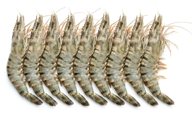
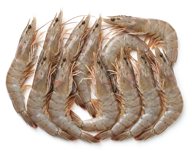
Tiger prawn · Jhingashell and head left on
480 g12 prawns
seafood
02
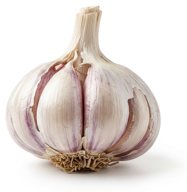
Garlic · Lehsunroughly chopped
18–24 g6–8 cloves
aromatic
03
Fresh ginger · Adrakroughly chopped
12 g3 cm
aromatic
04
41 g3 tablespoons
sweetener
05
30 g2 tablespoons
souring agent
06
18 g1 tablespoon
souring agent
07
to taste
salt
08
12 g2 teaspoons
liquid

Method

  1. Put 15 g dried kashmiri chilli in a bowl, cover with hot water and leave for 20 minutes.
  2. Cut along the back of each 480 g tiger prawn with scissors, from below the head to the tail, and pull out the vein.
  3. Make a deeper slit along the same line without cutting right through, so each prawn opens into a pocket; keep the shell and head on.
  4. Drain the chillies, keeping 50 ml of the soaking liquid. Blend the recheado paste spices (15 g dried kashmiri chilli, 0.4 g clove, 1.1 g cumin seed, 1.4 g black peppercorn, 0.3 g ground cinnamon) with the 50 ml soaking liquid, 18–24 g garlic, 6 g ginger root, 40.5 g dark brown sugar, 30 g malt vinegar and 18 g tamarind paste until smooth.
  5. Scrape the paste into a bowl, add salt to taste and 12 g fish sauce, and stir well.
  6. Rub the paste over every prawn, pressing it into the pocket.
  7. Heat a griddle pan over medium heat.
  8. Cook the prawns in batches for 2–3 minutes on each side, until dark patches appear and the flesh is opaque all the way through.

Don't have something?

Dried kashmiri chilli
  • Kashmiri chilli powder

    Use 1 g powder for every 1.5 g whole dried chilli; whisk with a spoonful of warm water and stir into the masala to provide identical ruby colour and mild heat.

  • Dried red chilli

    Use 35% to 40% of the weight; discard seeds before tearing into oil to temper. Delivers a much fiercer heat, with significantly less red colouring.

Tiger prawn
  • King prawn

    Use the same weight; cook 2–3 minutes until just pink. Same sweetness and bite.

  • Large prawn

    Use the same weight; slightly less sweet, so cook 1 minute less.

  • Small prawn

    Use the same weight; they cook in 1–2 minutes, so add them later.

Clove
  • Ground cloves

    Use 1 g ground for 4 g whole (or 1 small pinch per 2 to 3 whole cloves). Add with spice powders; disperses intense warmth quickly, so use with restraint.

  • Allspice berries

    Use 100% of the weight whole in tempering. Imparts a warm, clove-like aromatic profile combined with hints of nutmeg and cinnamon.

  • Black cardamom pod

    Use 1 pod for 3 to 4 cloves in whole tempering. Shares a camphor-like warmth and medicinal depth, though it introduces a distinct smoky undertone.

Cumin seed
  • Ground cumin

    Use 70% of the weight; add with ground spices or sauce bases rather than hot oil tempering, where it scorches quickly and turns bitter.

  • Black cumin seeds

    Use equal weight for oil tempering. Delivers an earthy profile with an additional musky, smoky, and slightly bitter edge.

  • Fennel seed

    Use 60% of the weight for tempering; offers comparable warm aroma, but leans sweet and liquorice-like rather than savoury and earthy.

Black peppercorn
  • Coarsely ground black pepper

    Use 75% of the weight. Add midway through simmering; spreads heat evenly through the dish instead of delivering isolated bursts.

  • Ground black pepper

    Use 50% of the weight. Stir in near the end of cooking; significantly darkens light gravies and provides an immediate, sharp bite.

Ground cinnamon
  • Ground Ceylon cinnamon

    Milder and sweeter than ground cassia: use about 1.5 times the weight.

  • Cassia bark (Chinese cinnamon)

    Grind the same weight of cassia bark in a spice mill until powdery, or simmer a piece whole and lift it out before serving.

  • Ground mace

    Use 40 to 50% of the weight; offers a delicate, sweet, woodsy fragrance that complements rich curries without dominating.

Garlic
  • Garlic paste

    Use equal weight. Fry gently in oil or ghee with the ginger; incorporates smoothly into curries without visible minced bits.

  • Garlic powder

    Use 15% to 20% of the weight (about 1 g for every 5 to 6 g fresh cloves). Whisk into sauces; gives a savoury, toasted garlic flavour without raw pungency.

  • Shallot

    Use 1.5 times the weight, very finely minced. Sauté until golden; provides savoury allium sweetness, though it lacks garlic's pungent sulphur bite.

Fresh ginger
  • Ginger paste

    Use equal weight. Sauté in hot fat until the raw allium smell disappears; slightly wetter, but provides identical warmth and pungency.

  • Ground ginger

    Use 20% to 25% of the weight (1 g for every 4 to 5 g fresh). Stir into the gravy; adds peppery heat and warmth, though it misses the crisp, zesty kick of raw root.


Brown sugar
  • Demerara sugar

    Use the same weight; it is drier and slightly less molasses-rich, so taste and add a little more if needed.

  • Jaggery

    Use the same weight; it is stronger and more mineral, so dissolve it first and reduce any other sweetener.

  • Granulated sugar

    Use the same weight; it is less moist and less dark. Add 5 g cane molasses per 100 g if you have it.

Malt vinegar
  • White malt vinegar

    Use the same weight; sharper and clearer; reduce salt slightly.

  • White vinegar

    Use 90% of the weight, diluted with 10% water; harsher, so taste.

  • Lime juice

    Use the same weight; fresher sourness but no malt flavour; reduce salt.

Tamarind paste
  • Tamarind pulp

    Use 120–150% of the weight and strain; pulp is less concentrated, so simmer a little longer to thicken.

  • Tamarind extract

    Use 150–200% of the weight and reduce gently; extract is already diluted.

  • Lime juice

    Use 60–70% of the weight with a pinch of jaggery; sharper, so add near the end off the heat.

Fish sauce
  • Soy sauce

    Use about 70–80% of the weight and add a pinch of salt; it gives salt and umami but no fish funk and is darker.

  • Worcestershire sauce

    Use the same weight; it has a little anchovy depth but is sweeter, thinner and less salty.

  • Lime juice

    For 10 g fish sauce use about 5 g lime juice, 1 g salt and 4 g water; it gives salt and sourness but no savoury fish depth.

Similar dishes

Rechiado Prawns
Portuguese-style Spicy Fried Prawns (Shrimp)
Rechiado Prawns tastes sharper and more vinegar-forward with an earthy turmeric note and a crisp flour coating, while this dish is hot, sour and lightly sweet from tamarind and brown sugar.
  • Same: Rechiado Prawns shares with this dish a red chilli paste built on garlic, ginger, cloves, cinnamon, cumin, black pepper and malt vinegar, and both coat prawns in that paste before cooking.
  • Different: Rechiado Prawns uses far more prawns and malt vinegar, adds turmeric and a plain flour dusting, and is pan-fried in vegetable oil, while this dish uses Kashmiri chilli, tamarind paste, dark brown sugar and fish sauce and griddles the prawns in their shells.
Goan Prawn Balchao
Hot & Sour Prawn Pickle
Goan Prawn Balchao tastes oilier and more vinegar-sharp, with onion and jaggery sweetness, while this dish tastes more tamarind-sour and warm-spiced from cloves and cinnamon.
  • Same: Goan Prawn Balchao shares with this dish Kashmiri chilli, garlic, ginger, cumin, black pepper, fish sauce and malt vinegar, plus a hot, sour and faintly sweet prawn profile.
  • Different: Goan Prawn Balchao is cooked as an oily onion-based pickle with curry leaf, turmeric and jaggery, using king prawns and no tamarind paste, cloves or cinnamon, while this dish is a tamarind-chilli paste coating griddled shell-on tiger prawns.
Balchao
Prawn (Shrimp) Balchao
Balchao tastes sharply vinegar-forward and fiery with an oily relish texture, while this dish is hot, sour and lightly sweet from tamarind and chilli.
  • Same: Balchao shares prawns, malt vinegar, dried chilli, garlic, ginger, cloves, cinnamon, cumin, peppercorns, sugar and salt with this dish.
  • Different: Balchao adds groundnut oil, onion, tomato, curry leaves and green cardamom, uses small prawns and much more vinegar, and lacks tamarind, fish sauce and Kashmiri chilli; it is cooked as an oily relish, while this dish is coated in paste and griddled in its shells.
Parsi Prawns Patia
Spiced Prawns in Tomato Gravy
Parsi Prawns Patia tastes savoury, gently sweet-sour and mildly spicy, while this dish is hotter, more sour from tamarind and vinegar, and only lightly sweet.
  • Same: Parsi Prawns Patia shares tiger prawns, garlic, black peppercorn, Kashmiri chilli and malt vinegar with this dish.
  • Different: Parsi Prawns Patia adds onion, tomato, tomato purée, mustard seed, turmeric, ground coriander, curry leaf, jaggery and lemon and cooks the prawns in a tomato gravy, while this dish lacks those and uses tamarind paste, cloves, cinnamon, fish sauce and dark brown sugar to coat shell-on prawns for griddling.