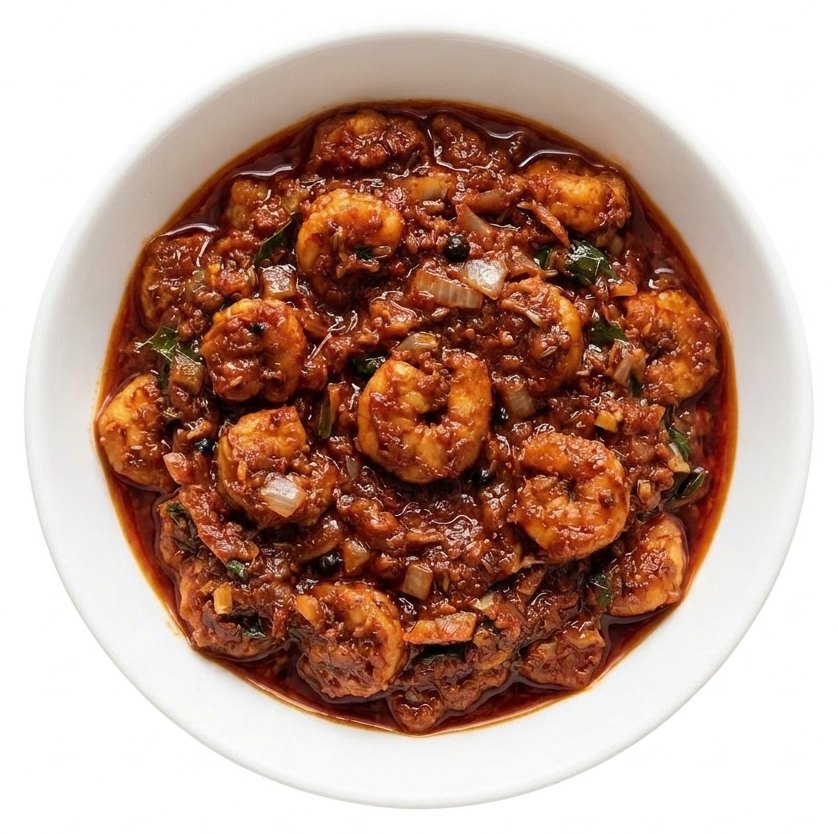
Goan Prawn Balchao
Goan prawn balchao is a hot, sour and faintly sweet prawn preserve cooked with onion, chilli, vinegar and jaggery. It has a rich, oily texture and a sharp, fiery flavour.
Chilli paste
33 gBlended with the vinegar at the start (step 1)
Turmeric for the onion base
1.5 gAdded with the curry leaves and garlic-ginger paste (step 5)Everything else

Method
- Drain 18 g dried kashmiri chilli, soaked in warm water for 30 minutes. Blend the drained chillies, 6.3 g cumin seed, 5.8 g black peppercorn, 3 g ground turmeric and 81.1 g malt vinegar to a smooth paste; set aside as the chilli paste masala.
- Blend 24 g garlic and 10 g ginger with a little water to a paste; set aside.
- Heat 137 g vegetable oil in a large heavy non-stick saucepan over medium heat.
- Add 260 g white onion and fry for 20–22 minutes, until softened and starting to colour.
- Add 3 g curry leaf, the turmeric masala (1.5 g ground turmeric) and the garlic-ginger paste; fry for 2 minutes.
- Add the chilli paste masala and fry for 2 minutes.
- Reduce the heat to low. Add 27 g brown sugar or jaggery and 5.8 g salt; stir and fry for 1 minute, until the sugar dissolves.
- Add 660 g king prawn, cover and cook for 8–9 minutes, stirring once halfway through.
- Add 12 g fish sauce and stir well.
- Leave the pan to cool completely.
- Spoon into sterilised jars and refrigerate; it keeps for up to 10 days in the fridge.
Don't have something?

 Garlic paste
Use equal weight. Fry gently in oil or ghee with the ginger; incorporates smoothly into curries without visible minced bits.
 Garlic powder
Use 15% to 20% of the weight (about 1 g for every 5 to 6 g fresh cloves). Whisk into sauces; gives a savoury, toasted garlic flavour without raw pungency.
 Shallot
Use 1.5 times the weight, very finely minced. Sauté until golden; provides savoury allium sweetness, though it lacks garlic's pungent sulphur bite.


 Ginger paste
Use equal weight. Sauté in hot fat until the raw allium smell disappears; slightly wetter, but provides identical warmth and pungency.
 Ground ginger
Use 20% to 25% of the weight (1 g for every 4 to 5 g fresh). Stir into the gravy; adds peppery heat and warmth, though it misses the crisp, zesty kick of raw root.


 Peanut oil
Use 1:1 by weight. Handles high-heat frying identically and introduces a very subtle, pleasant nuttiness.
 Ghee
Use 1:1 by weight. Yields a much richer, authentic aroma and a glossy, heavier mouthfeel.
 Mustard oil
Use 1:1 by weight. Heat until smoking, then cool slightly before cooking to temper its intensely pungent, sharp mustard kick.


 Brown onion
Use the same weight; it is the closest everyday match, with a slightly deeper sweetness when fried.
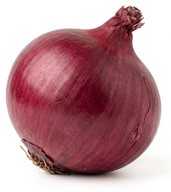 Red onion
Use the same weight; it is sharper and will tint the dish pink, so cook a little longer for sweetness.
- Shallot
Use the same weight; it is milder and sweeter, so reduce frying time slightly to avoid burning.


 Bay leaf
Fry 1 bay leaf for every 5 curry leaves in hot oil; imparts a warm, woodsy background note, but misses the citrus-sulphury punch entirely.
 Lime juice
Add a small squeeze (about 5 ml per sprig of curry leaves) right before serving; provides sharp citrus top notes without the toasty, herbal aroma.


- Ground ginger
Use 50% of the weight. Mimics turmeric's warm, earthy, rhizome background, but provides none of the golden-yellow colour.
 Saffron
Steep a tiny pinch (0.1 g per 2 g turmeric) in 2 tbsp warm water; use to match the rich golden hue. Contributes an aristocratic, honeyed floral flavour rather than earthy bitterness.


 Jaggery or brown sugar
Use the same weight; jaggery is stronger and more mineral, so taste before adding more.
 Soft brown sugar
Use the same weight; it is milder and moister, with a lighter molasses note.
 Demerara sugar
Use the same weight; it is drier and milder, so dissolve it fully and adjust sweetness.


 Tiger prawn
Use the same weight; split or halve if large. Same sweet shellfish flavour, similar cooking time.
 Large prawn
Use the same weight; they may need 1 minute less cooking. Slightly less sweet.
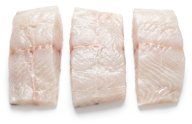 Firm white fish fillet
Use the same weight, cut into chunks and add 2-3 minutes later. Flakes easily and lacks prawn juice.


 Soy sauce
Use about 70–80% of the weight and add a pinch of salt; it gives salt and umami but no fish funk and is darker.
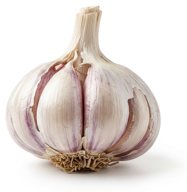 Worcestershire sauce
Use the same weight; it has a little anchovy depth but is sweeter, thinner and less salty.
- Lime juice
For 10 g fish sauce use about 5 g lime juice, 1 g salt and 4 g water; it gives salt and sourness but no savoury fish depth.

 Kashmiri chilli powder
Use 1 g powder for every 1.5 g whole dried chilli; whisk with a spoonful of warm water and stir into the masala to provide identical ruby colour and mild heat.
 Dried red chilli
Use 35% to 40% of the weight; discard seeds before tearing into oil to temper. Delivers a much fiercer heat, with significantly less red colouring.


 Ground cumin
Use 70% of the weight; add with ground spices or sauce bases rather than hot oil tempering, where it scorches quickly and turns bitter.
 Black cumin seeds
Use equal weight for oil tempering. Delivers an earthy profile with an additional musky, smoky, and slightly bitter edge.
 Fennel seed
Use 60% of the weight for tempering; offers comparable warm aroma, but leans sweet and liquorice-like rather than savoury and earthy.


 Coarsely ground black pepper
Use 75% of the weight. Add midway through simmering; spreads heat evenly through the dish instead of delivering isolated bursts.
 Ground black pepper
Use 50% of the weight. Stir in near the end of cooking; significantly darkens light gravies and provides an immediate, sharp bite.


 White malt vinegar
Use the same weight; sharper and clearer; reduce salt slightly.
 White vinegar
Use 90% of the weight, diluted with 10% water; harsher, so taste.
- Lime juice
Use the same weight; fresher sourness but no malt flavour; reduce salt.


Similar dishes

- Same: Spicy Goan Prawns with Garlic, Chilli & Tamarind shares with this dish Kashmiri chilli, cumin, black peppercorn, garlic, ginger, malt vinegar, fish sauce and a hot-sour-sweet Goan prawn profile.
- Different: Spicy Goan Prawns with Garlic, Chilli & Tamarind adds tamarind paste, cloves and cinnamon and griddles shell-on prawns in a paste, while it lacks this dish’s onion, curry leaf, turmeric and heavy oil and uses far less vinegar.

- Same: Rechiado Prawns shares prawns, dried red chilli, cumin, turmeric, black peppercorn, garlic, ginger, malt vinegar and vegetable oil with this dish.
- Different: Rechiado Prawns adds clove, cinnamon and a plain flour coating and is pan-fried, while it lacks this dish's onion, jaggery, fish sauce and curry leaves.

- Same: Maharashtrian Kolambicha Kalwan shares king prawns, turmeric, cumin, black peppercorn, curry leaves, vegetable oil, Kashmiri chilli and malt vinegar with this dish.
- Different: Maharashtrian Kolambicha Kalwan adds coconut milk, grated coconut, tamarind paste, green bird’s eye chilli and coriander leaf and uses much less oil and vinegar, while this dish has jaggery, fish sauce, dried Kashmiri chilli and a large amount of malt vinegar and is cooked as an oily preserve.

- Same: Parsi Prawns Patia shares prawns, onion, garlic, turmeric, cumin, black peppercorn, curry leaf, Kashmiri chilli, malt vinegar, vegetable oil and jaggery or sugar with this dish.
- Different: Parsi Prawns Patia adds tomato, tomato purée, mustard seed, ground coriander, lemon and coriander leaves, and it uses chilli powder instead of dried Kashmiri chilli and far less vinegar and oil, so it is a tomato gravy rather than an oily prawn pickle.